

Why the Future of Travel Is All About Scent, Sound, and Touch
When I first booked a trip to Kyoto, I was convinced the highlight would be the historic temples and the meticulously crafted kaiseki dinner. I was wrong. The moment I stepped off the train and inhaled the faint aroma of fresh incense mingling with the wet earth after a spring rain, I realized I was experiencing something far richer than any brochure could promise. That fleeting olfactory note, paired with the gentle murmur of distant bamboo groves, transformed a simple itinerary into a multi‑dimensional memory.
Travel has long been marketed as a visual adventure—think Instagram‑ready sunsets and panoramic cityscapes. Yet the most enduring memories aren’t always what we see; they’re what we feel, hear, and smell. In this post, I’ll explore why the next wave of travel is shifting from “seeing the world” to sensory immersion, and how savvy explorers can harness this trend to design journeys that linger long after the passport stamps fade.
The Science Behind Scent‑Driven Memories
Neuroscientists have long known that the olfactory bulb is the only part of the brain that processes smell directly, bypassing the thalamus—the brain’s typical sensory relay station. This direct pathway links scent to the amygdala and hippocampus, the centers responsible for emotion and memory. The result? A single whiff can trigger a vivid recollection that feels as if you’re living it again.
- Emotional resonance: A citrusy breeze on a Mediterranean coast can instantly lift mood, while the earthy musk of a rainforest can evoke calm.
- Contextual anchoring: Travelers often recall a city’s “spice market smell” more precisely than a specific street name.
- Longevity: Scent‑linked memories survive longer than visual ones, persisting months or even years after the trip.
For travelers seeking depth, consciously curating scent experiences becomes a powerful tool. Think of choosing a boutique hotel that uses locally sourced lavender in its linens, or planning a sunrise hike to a meadow where wild thyme blossoms.
The Soundtrack of Journeys
If scent is the gateway to memory, sound is the narrative thread that ties moments together. The soft clack of a vintage tram in Lisbon, the rhythmic chanting of monks in a Thai temple, or the low hum of a bustling night market all shape our perception of place.
Recent research into soundscape ecology suggests that ambient sounds influence stress levels, cognitive focus, and even perceived safety. A quiet, natural soundscape can lower cortisol, while harsh, unpredictable noises may heighten alertness. Savvy travelers can therefore sculpt their itineraries around auditory experiences that align with their desired state of mind.
- Curated playlists: Pair a morning jog through Barcelona’s Gothic Quarter with a curated playlist of street performers’ recordings.
- Acoustic tours: Join a “sound walk” in Berlin that highlights the city’s industrial past through the echoing clang of steel workshops.
- Silence retreats: Book a stay at a remote desert lodge where the only audible companion is the wind.
Tactile Tales: The Power of Touch in Travel
Touch is the most under‑explored sense in tourism, yet it offers a direct line to authenticity. Running your fingers over the rough stone of an ancient citadel, feeling the cool silk of a local market’s fabrics, or the gentle sway of a hammock over a Caribbean lagoon can ground a traveler in the present more firmly than any photo ever could.
When designing a sensory trip, consider incorporating tactile checkpoints:
- Hands‑on workshops: Pottery classes in Oaxaca, sushi‑making sessions in Osaka, or weaving in Ghana.
- Material‑focused accommodations: Staying in a cedar‑panelled cabin in the Pacific Northwest or a bamboo‑structured eco‑lodge in Bali.
- Interactive museums: Exhibits that let you handle replicas of historical artifacts.
Technology Enabling Sensory Travel
While the senses themselves are ancient, the tools that help us amplify them are cutting‑edge. Enter AI‑Powered Travel. Smart assistants now analyze weather patterns, local events, and even crowd density to suggest the optimal time to visit a spice market when the aromas are strongest and the lines are shortest.
Wearable devices are also evolving beyond step counters. Modern wearables can monitor ambient sound levels, air quality, and even detect specific volatile organic compounds—essentially acting as a personal sensory scanner. Imagine strolling through a lavender field and receiving a gentle vibration alert when the scent intensity peaks, prompting you to pause for a mindful inhale.
These technologies empower travelers to move from passive observers to active curators of their sensory landscape.
Curating Your Sensory Itinerary
To translate this theory into practice, start by mapping out the primary sense you wish to engage on each day of your trip. The following framework can serve as a practical guide:
- Identify a sensory anchor: Choose a dominant scent, sound, or tactile element for the destination (e.g., citrus groves in Sicily).
- Research local experiences: Look for festivals, workshops, or natural sites that highlight that anchor.
- Leverage technology: Use AI‑driven itinerary planners to fine‑tune timing for optimal sensory exposure.
- Document mindfully: Instead of snapping endless photos, carry a small notebook to record scent notes, sound observations, and tactile impressions.
- Iterate on the go: Adjust your plan based on real‑time feedback—if a market’s aroma is muted due to rain, pivot to a nearby herb garden.
For a deeper dive into purposefully designed trips, check out Beyond the Checklist, which offers a complementary methodology for aligning travel goals with meaningful experiences.
The Business Case: Why Brands Should Embrace Sensory Travel
Travel brands and hospitality operators that invest in sensory differentiation stand to gain a competitive edge. Here’s why:
- Higher guest satisfaction: Sensory-rich stays generate stronger emotional bonds, leading to repeat bookings and positive word‑of‑mouth.
- Increased average spend: Guests are more likely to purchase ancillary services—like aromatherapy spa treatments or curated soundscape tours—when they perceive a deeper, immersive experience.
- Social media amplification: While visuals dominate platforms, a compelling scent or sound story can spark unique user‑generated content, especially on emerging audio‑focused apps.
Brands can partner with local artisans to source authentic scents, collaborate with musicians for site‑specific sound installations, or integrate tactile design elements into room décor. The payoff is a memorable brand narrative that transcends the generic “luxury” label.
Future Outlook: Toward a Fully Immersive Travel Ecosystem
Looking ahead, we can anticipate three major developments:
- Sensory AR/VR layers: Augmented reality glasses that overlay scent cues in real time, allowing travelers to “sniff” a virtual spice market while standing in a modern mall.
- Personalized sensory profiles: AI algorithms that learn a traveler’s scent and sound preferences, automatically curating daily itineraries that match their mood.
- Regenerative tourism: Initiatives where travelers contribute to the preservation of local sensory heritage—such as replanting aromatic herbs—ensuring these experiences endure.
As technology and human curiosity converge, the travel landscape will shift from “where to go?” to “what will you feel?” The era of sensory travel is not just a marketing buzzword; it’s a paradigm that promises richer, more sustainable connections between people and place.
Final Thoughts
Travel has always been about discovery, but discovery is evolving. By consciously engaging scent, sound, and touch, we unlock a deeper layer of the world that lingers long after the plane lands. Whether you’re a solo wanderer, a family planner, or a brand seeking differentiation, the sensory lens offers a fresh, untapped canvas. So the next time you book a trip, ask yourself: What will I smell, hear, and feel? The answer may just become the most unforgettable part of your journey.

Robert Mathews is a professional content marketer and freelancer for many SEO agencies. In his spare time he likes to play video games, get outdoors and enjoy time with his family and friends .
Related Posts

Designing a Portable Workstation for the Modern Nomad
Discover a step‑by‑step guide to creating a lightweight, efficient portable workstation, integra... Read More
Micro‑Adventure City Escapes: How to Turn a Day Off into a Travel Story
Discover the art of micro‑adventure city escapes—strategic, one‑day getaways that turn a free ... Read More
Beyond the Desk: How Traveling Can Supercharge Your Creative Engine
Travel isn’t just a break—it’s a catalyst for innovation. Learn how to design trips as persona... Read More
Top Posts
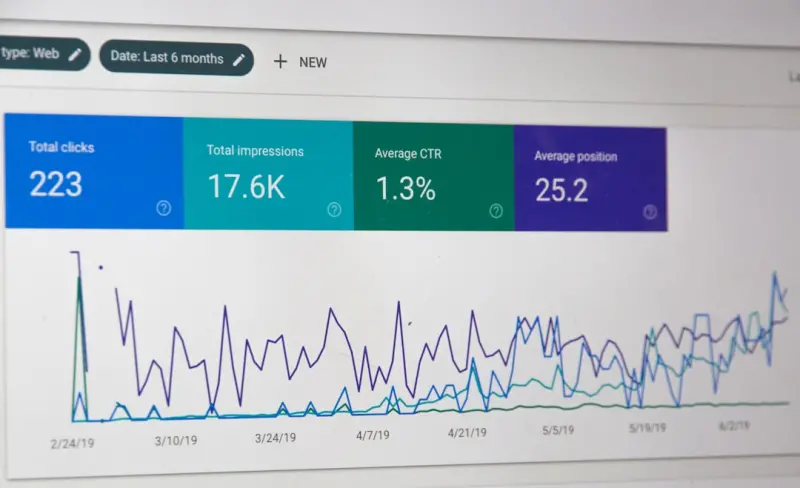
SEO for Subscription Sites: Unlocking Growth in the Membership Economy
A new SEO strategy designed for subscription businesses, blending structured data, conversion‑focused content, and retention metrics to drive organic growth a...Read More

Synthetic Data: The Hidden Engine Powering AI Innovation in B2B SaaS
Synthetic data offers SaaS companies a privacy‑safe, cost‑effective way to generate realistic training sets, accelerating AI development and enabling scenar...Read More

AI as the Invisible Architect of Business Agility
AI isn’t just a flashy tool—it’s the invisible architect that connects data silos, augments decision‑making, and aligns cross‑functional teams, enabli...Read More

Riding Google’s AI Wave: A Human‑First Perspective on Innovation and Authenticity
Discover a human‑first approach to Google’s AI wave, balancing cutting‑edge tech with authentic brand storytelling for lasting impact....Read More
0 Comments
Post Comment
You will need to Login or Register to comment on this post!