

Why Entity‑Centric SEO is the Next Frontier for SaaS Brands
When most marketers think about SEO, they picture keyword research, backlinks, and on‑page tweaks. Those tactics are still vital, but the search landscape is evolving faster than the average blog post cycle. Search engines are moving from a keyword‑first mindset to an entity‑first model that understands concepts, relationships, and intent at a granular level. For SaaS companies, this shift opens a powerful avenue to dominate niche queries, capture high‑intent traffic, and future‑proof your content strategy.
The Anatomy of an Entity in Search
An entity is any thing that can be uniquely identified—people, places, products, ideas, or even abstract concepts. Google’s Knowledge Graph, for example, treats “customer relationship management” as an entity, linking it to related topics such as “pipeline management,” “sales automation,” and “data integration.” When a search engine can confidently map a query to a network of entities, it can deliver richer results like featured snippets, knowledge panels, and carousel cards.
For SaaS marketers, the practical upshot is simple: if you can teach search engines how your product fits into a broader ecosystem of entities, you’ll appear in more conversational and “answer‑type” SERPs that drive qualified leads.
Mapping Your SaaS Solution to the Entity Graph
Start with a top‑down audit of the core concepts your platform solves. Ask yourself:
- What problem domain does my software address? (e.g., “customer onboarding,” “workflow automation,” “data compliance”)
- Which industry verticals benefit most? (e.g., “fintech,” “healthcare,” “e‑commerce”)
- What key actions do users perform? (e.g., “track leads,” “generate invoices,” “run A/B tests”)
- Which third‑party tools integrate with my solution? (e.g., “Zapier,” “Slack,” “Snowflake”)
Each answer becomes an entity you can surface in your content. By weaving these entities into blog posts, case studies, and help docs, you signal to the search engine that you’re a central hub within that semantic network.
Leveraging Structured Data to Speak the Search Engine’s Language
Structured data is the most direct way to tell search engines about your entities. Implementing JSON‑LD schema for SoftwareApplication, FAQPage, and Product not only improves crawlability but also unlocks rich results. Here are three schema types SaaS teams should prioritize:
- SoftwareApplication: Populate fields like
operatingSystem,applicationCategory, andoffers. Highlight unique selling points (USP) asfeatureListitems to align with entity queries. - FAQPage: Translate common support questions into FAQs. When Google detects a well‑structured FAQ, it can surface them directly in the SERP, capturing zero‑click traffic while still positioning your brand as an authority.
- Review: Encourage customers to leave structured reviews. Ratings act as trust signals and can surface in the knowledge panel for your brand.
When you combine schema markup with natural language that repeats the same entities, you create a redundancy loop that search engines love—a “semantic echo” that reinforces your relevance.
Building Topic Clusters Around Core Entities
Topic clusters are not new, but they become exponentially more powerful when they’re built around entities rather than isolated keywords. Here’s a step‑by‑step framework:
- Identify the Pillar Entity: Choose a high‑level concept like “customer success automation.” This becomes your pillar page.
- Map Sub‑Entities: List related topics such as “NPS surveys,” “churn prediction models,” and “in‑app messaging.” Each sub‑entity gets its own supporting article.
- Interlink Strategically: Every supporting article should link back to the pillar and to other related sub‑entities, forming a dense mesh of internal links that mimics the knowledge graph.
- Refresh With Fresh Data: Periodically update each piece with the latest industry stats, case studies, or product releases to keep the entity graph alive.
This architecture tells search engines, “We own the conversation around this ecosystem.” The result? Higher rankings for both broad and long‑tail queries that reference any of the linked entities.
Case Study: How an Emerging SaaS Turned Entity SEO into a Lead Engine
Consider a B2B SaaS that provides “contract lifecycle management” (CLM) software. Initially, they targeted generic keywords like “contract software” and struggled to rank against entrenched incumbents. By re‑orienting their content strategy around entities, they achieved a dramatic lift:
- Entity Identification: “E‑signature,” “compliance tracking,” “workflow approval,” and “AI‑driven clause extraction.”
- Schema Deployment: Added
SoftwareApplicationmarkup withfeatureListitems matching each entity. - Topic Cluster Creation: Pillar page “The Complete Guide to Contract Lifecycle Management” linked to deep‑dive posts on each sub‑entity.
- Result: Within three months, the site captured featured snippets for “how AI extracts clauses” and “best practices for e‑signature compliance,” driving a 42% increase in organic qualified leads.
The takeaway? When you align your SEO around the language of entities, you tap into a richer, more intent‑driven traffic pool.
Practical Tips to Start an Entity‑First SEO Campaign Today
Implementing an entity‑centric approach doesn’t require a complete overhaul. Here are actionable steps you can take this week:
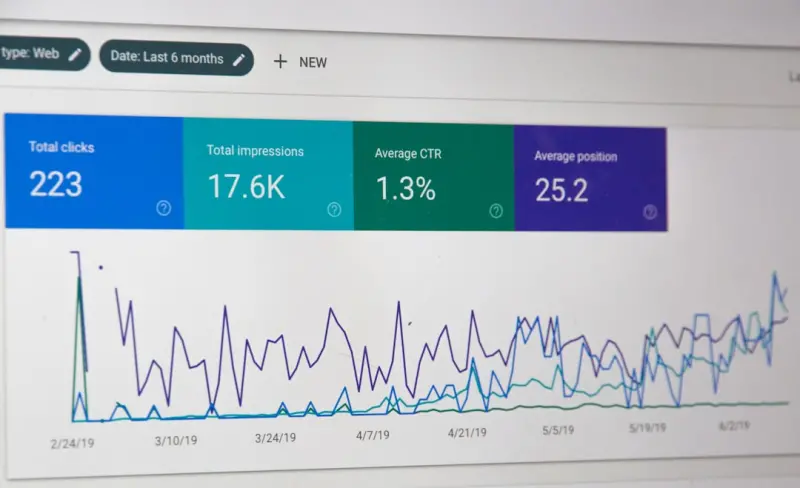
- Audit Existing Content: Use tools like Google Search Console’s “Performance” report to discover queries that already hint at entities (e.g., “API integration best practices”). Tag those pieces for enrichment.
- Enrich With Schema: Add or refine structured data on your most visited pages. Prioritize product pages, help docs, and high‑traffic blog posts.
- Expand Internal Linking: Create a mind‑map of your identified entities and ensure every article links to at least two related entities.
- Leverage Community Insights: While we’re not revisiting the community SEO post directly, it’s worth noting that user‑generated forums and Q&A sections naturally surface entities. Encourage customers to discuss niche use cases, which can be repurposed into entity‑rich content.
- Monitor Entity Rankings: Beyond keyword rank trackers, use SERP feature monitoring tools to see when your content appears in knowledge panels, carousels, or answer boxes.
Future‑Proofing: The Role of Generative AI in Entity SEO
Generative AI tools are becoming adept at parsing entity relationships and drafting content that naturally embeds them. When paired with a solid schema foundation, AI‑generated drafts can accelerate the creation of topic cluster pages at scale. However, human oversight remains essential—AI may misinterpret entity hierarchies, leading to “entity cannibalization” where two pages compete for the same search intent.
Use AI as a co‑author: feed it a list of target entities, let it draft outlines, then refine the language to ensure each entity is presented uniquely and accurately.
Measuring Success: Beyond Traditional SEO Metrics
Entity SEO demands a broader KPI set. In addition to organic traffic and keyword rankings, track:
- Entity Visibility Score: Some SEO platforms now assign an “entity” score based on how often your brand appears in knowledge panels or entity‑based SERP features.
- Snippet Click‑Through Rate (CTR): Even zero‑click SERPs can be valuable if they lead to downstream actions (e.g., newsletter sign‑ups).
- Content Interlinking Density: Higher internal link density between entity pages correlates with improved crawl efficiency.
- Schema Validation Errors: Use Google’s Rich Results Test to ensure your structured data remains error‑free after updates.
By monitoring these signals, you can iterate quickly and keep your entity graph robust.
Wrapping Up: Embrace the Entity Mindset
SEO isn’t a static checklist; it’s an evolving conversation between your brand, your audience, and the search engine’s understanding of the world. By shifting from isolated keywords to an entity‑centric strategy, SaaS marketers can:
- Capture high‑intent, conversational queries.
- Earn rich SERP features that boost brand visibility.
- Future‑proof content against algorithmic shifts toward semantic search.
- Leverage structured data and AI to scale efficiently.
Start mapping your product’s ecosystem today, enrich it with schema, and watch the knowledge graph work in your favor. The entity revolution is already here—don’t let your SaaS brand be left speaking a language the search engine no longer understands.

David Moore is a freelance writer specializing in two dynamic and ever-evolving fields: gambling and the tech industry. With a keen eye for detail and a knack for unraveling complex topics, David delivers insightful and engaging content that keeps readers informed and entertained.
Related Posts

Unlocking the Power of Visual Search: A New SEO Playbook
Learn why visual search is the next SEO frontier and get a step‑by‑step guide to optimizing imag... Read More
Zero‑Click Search: Turning SERP Real Estate into Business Wins
Zero‑click search reshapes how SaaS companies attract leads. This guide shows how to treat the SER... Read More
From Docs to Discovery: Unleashing SEO Power in SaaS Knowledge Bases
Discover a step‑by‑step framework for turning SaaS documentation into organic traffic, leveragin... Read More
Top Posts

Prompt Engineering Meets Product Brainstorming: An AI‑Augmented Ideation Playbook
Learn how integrating a large language model into product brainstorming turns chaotic ideas into actionable roadmaps, boosts velocity, and fosters a culture of ...Read More

Navigating Google’s AI Wave: Rose DesRochers’ Insider Playbook for 2024
Rose DesRochers shares an insider’s playbook for thriving in Google’s AI‑driven search era, offering actionable steps to adapt content, link building, and...Read More

Keeping Your Brand Human on Google’s AI Landscape
Learn to preserve brand authenticity while navigating Google’s AI updates. This guide offers actionable steps, real‑world case studies, and a human‑first ...Read More

How AI is Redesigning Sustainable Products from Concept to Shelf
AI is reshaping product design, embedding eco‑friendly choices from concept to manufacturing, and turning sustainability into a core creative partner....Read More
0 Comments
Post Comment
You will need to Login or Register to comment on this post!