
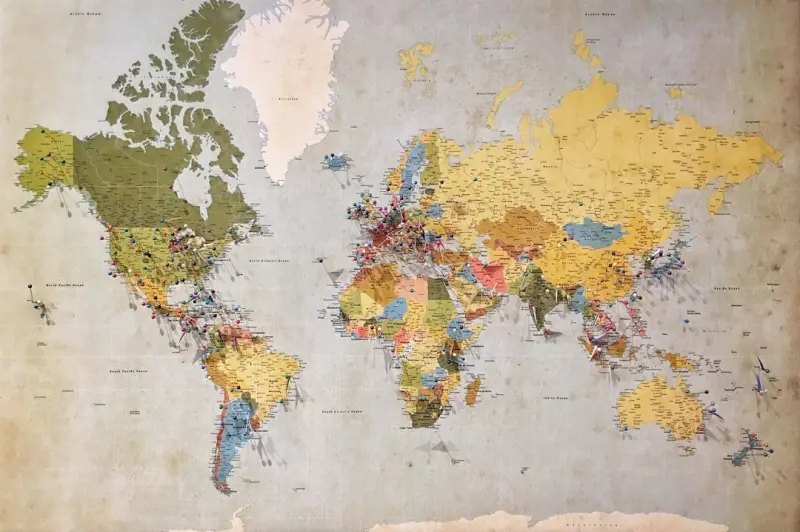
Travel used to be a simple checklist: passport, tickets, a few Instagram‑ready moments, and a return flight home. Today, the experience is morphing into something richer, more intentional, and, dare I say, more delicious. As someone who’s spent the better part of a decade hopping between co‑working spaces in Lisbon, surf camps in Bali, and mountain lodges in the Rockies, I’ve learned that the most unforgettable journeys aren’t just about the sights—they’re about the flavors that tell a story. Welcome to the world of culinary cartography, where every bite becomes a waypoint on a map of culture, memory, and personal growth.
Why Food Should Be Your Compass
When you think of travel, the first images that usually pop up are iconic landmarks or sweeping landscapes. But the real pulse of a place often lives on a plate. A single dish can reveal centuries of trade routes, religious rituals, and the daily hustle of a neighborhood you might otherwise overlook. By treating food as a navigational tool, you turn ordinary meals into cultural field studies, giving you a deeper connection to the places you visit.
- Historical context. A bowl of ramen in Osaka isn’t just noodles and broth; it’s a legacy of Chinese influence, post‑war innovation, and regional pride.
- Social insight. Street vendors in Oaxaca serve tacos al pastor not only to earn a living but also to maintain a family tradition that spans generations.
- Economic indicator. The rise of farm‑to‑table restaurants in Nairobi signals a growing middle class that values sustainability and local sourcing.
In short, food is a living archive. The more you read it, the more you understand the world.
Mapping Your Flavor Journey
Before you board your next flight, consider building a “flavor map.” Instead of plotting attractions, plot food experiences. Here’s a simple three‑step framework to get you started:
- Identify culinary themes. Research the regional staples—think curry in Kerala, dim sum in Hong Kong, or pierogi in Kraków. Write them down as headline “stops” on your map.
- Find local guides. Look beyond the usual travel blogs. Platforms that focus on food enthusiasts, local cooking classes, or community‑led food tours often provide the most authentic insights.
- Allocate time for taste. Reserve at least one meal per day for a deep dive—whether that means a home‑cooked dinner with a host family or a visit to a bustling market.
By treating each culinary encounter as a deliberate stop, you avoid the “tourist treadmill” and give yourself room to truly savor the journey.
From Street Stalls to Michelin Stars: A Balanced Palette
One common misconception is that great food only lives in high‑end restaurants. The truth is, the culinary spectrum is vast, and each end offers distinct value.
Street Food – The Pulse of the City
Street vendors are the unsung storytellers of a city’s everyday life. Their dishes are often prepared on the spot, using ingredients sourced from nearby markets. The spontaneity of a midnight takoyaki stall in Osaka or a sunrise arepa cart in Bogotá offers a raw, unfiltered taste of local culture.
Farm‑to‑Table – The Sustainable Narrative
In many emerging travel hubs, farm‑to‑table concepts are reshaping the dining scene. These establishments not only support local agriculture but also educate diners about seasonality and provenance. When you sit down at a restaurant that serves heirloom tomatoes harvested just hours before, you’re part of a broader conversation about food security and ecological stewardship.
Fine Dining – The Artistic Expression
Michelin‑starred venues often push the boundaries of technique and imagination. While a tasting menu can be pricey, it’s an opportunity to witness how chefs reinterpret tradition through avant‑garde lenses. Think of a deconstructed sushi experience that tells the story of Japan’s maritime heritage in a single plate.
Balancing these experiences ensures you get a comprehensive view of a destination’s culinary DNA.
Tools of the Trade: Tech Meets Taste
Even the most seasoned food explorer can benefit from a few digital tools. While I’m cautious about over‑reliance on apps, a well‑curated toolkit can enhance, not replace, the organic discovery process.
- Localized food maps. Platforms that crowdsource recommendations give you real‑time insight into trending dishes.
- Translation extensions. A quick phrase‑book plugin can bridge language gaps when ordering at a local market.
- Dietary filters. If you have specific restrictions, use apps that tag dishes with common allergens or vegan options.
Remember, the goal is to let technology amplify curiosity, not dictate it. A good rule of thumb: if an app tells you what to eat before you even see the menu, you might be missing out on spontaneous discoveries.
Case Study: A Week of Flavor in the Philippines
Last spring, I spent seven days traveling through the Philippines, intentionally mapping my meals. Here’s how the flavor‑first approach transformed a typical vacation:
- Manila – Market Morning. I started at turning every trip into a field study mindset, wandering through the bustling Divisoria market. A vendor offered me taho, a sweet soy‑bean snack, while explaining its origins as a street‑side breakfast for laborers in the 1900s.
- Tagaytay – Farm‑to‑Table Brunch. A hillside restaurant sourced its eggs from a nearby cooperative. The farm’s owner shared how climate‑smart practices have boosted egg yields by 15% over the past five years.
- Palawan – Seafood Feast. On a secluded beach, a local fisherman invited me to his boat. Together we prepared a traditional kinilaw (raw fish salad) using citrus from his own grove, illustrating how coastal communities rely on the sea’s bounty.
- Cebu – Street‑Side Lechon. A family‑run stall roasted whole pig over charcoal, a culinary tradition that dates back to Spanish colonial feasts. The aroma alone told the story of centuries of cultural exchange.
- Davao – Chocolate Tasting. I visited a cacao farm where farmers demonstrated the entire process, from bean to bar, highlighting the region’s emergence as a premium chocolate producer.
This itinerary proved that a flavor‑first itinerary can be as rewarding as any landmark‑centric plan, and often more memorable.
Traveling Light, Eating Right: Packing Hacks for Foodies
If you’re a culinary explorer, your suitcase should reflect that priority. Here are three packing hacks that keep your palate prepared without adding bulk:
- Compact spice kit. A small silicone travel bottle set (think 2 ml each) can hold essential seasonings like smoked paprika, sumac, or garam masala.
- Reusable silicone bags. Perfect for storing leftovers from a market lunch or for keeping snacks fresh on a train ride.
- Portable coffee grinder. If you’re serious about your morning brew, a manual grinder takes up minimal space and ensures fresh grounds wherever you are.
These items let you experiment with flavors on the go, turning a simple hotel room into a micro‑kitchen.
The Ethical Dimension of Eating While Traveling
In the age of conscious consumerism, it’s vital to ask: Are my food choices supporting the communities I love to visit? Here are three ethical considerations to keep in mind:
- Support local producers. Choose dishes that rely on locally sourced ingredients rather than imported staples.
- Respect cultural norms. Some regions have specific eating customs—like avoiding pork in Muslim‑majority areas. Being aware shows respect.
- Minimize waste. Opt for reusable utensils, decline plastic cutlery, and finish what you plate to reduce landfill impact.
When you align your palate with ethical principles, you become a catalyst for sustainable tourism.
Beyond the Plate: Turning Meals into Memory Makers
Food has a unique power to anchor memories. The taste of a freshly baked croissant in a Parisian bakery can instantly transport you back to a rainy afternoon on the Seine. To leverage this, try these simple practices:
- Take sensory notes. Jot down aroma, texture, and flavor notes in a travel journal. Over time, you’ll build a personal lexicon of taste.
- Share stories. Post a short caption about the dish’s backstory on social media—this reinforces the memory and spreads cultural awareness.
- Recreate at home. When you return, attempt to cook one dish you loved. The act of recreation cements the experience and deepens your culinary skills.
These habits transform fleeting meals into lasting narratives that you can revisit long after the trip ends.
Future Trends: How Culinary Travel Will Evolve
Looking ahead, several trends are poised to reshape how we explore food on the road:
- AI‑curated flavor itineraries. Algorithms that analyze your past dining preferences to suggest hidden‑gem eateries.
- Virtual kitchen exchanges. Live‑streamed cooking sessions with locals, allowing travelers to learn recipes before they even set foot in a destination.
- Carbon‑neutral food tours. Operators that offset the emissions of transporting ingredients, ensuring that the culinary adventure is also eco‑friendly.
While these innovations sound futuristic, many are already in beta stages, hinting at an exciting fusion of technology and taste.
Conclusion: Let Your Fork Be Your Compass
Travel isn’t just about ticking boxes; it’s about immersing yourself in the flavors that shape a place’s identity. By adopting a culinary cartography mindset, you turn each bite into a story, each market stall into a classroom, and each dinner table into a bridge between cultures.
So, the next time you pack your bag, remember to bring your appetite, curiosity, and a willingness to let food lead the way. The world is a vast, flavorful tapestry—start mapping it, one delicious waypoint at a time.
For those interested in how travel can intersect with work, you might also explore the concept of hybrid work retreats, which blends professional productivity with the enriching experiences of on‑the‑ground exploration.

Shawn DesRochers is a certified Microsoft technician and Programmer with 30+ year's experience. He has written many reviews on computer related products, software, and SEO related topics. When he's not writing reviews he can be found at one of the Oldest Directories Online Business Directory USA which he is the CEO of.
Related Posts
The Unplugged Traveler: Turning Downtime Into Business Innovation
Discover the power of unplugged travel: by carving out intentional downtime and stepping away from s... Read More
Why Traveling Light Is the Ultimate Freedom Hack
Traveling light isn’t just about packing fewer items; it’s a mindset that amplifies freedom, cre... Read More

The Art of Unplugged Wanderlust: Finding Freedom in Low‑Tech Journeys
Explore the power of low‑tech travel: step away from screens, engage deeply with places and people... Read More
Top Posts

Your Home, Your Haven: Crafting a Productivity Sanctuary
Learn how to turn any room into a productivity sanctuary by auditing your senses, using color and light strategically, creating micro‑zones, and integrating s...Read More

Micro‑Influencer Communities: The Quiet Engine Driving B2B SaaS Growth
Micro‑influencer communities offer B2B SaaS firms a high‑trust, cost‑effective channel for lead generation. Learn how to identify, nurture, and scale thes...Read More

Riding Google’s 2024 AI Wave: Rose DesRochers’ Insider Playbook for Marketers
Rose DesRochers shares her insider playbook for navigating Google’s 2024 AI wave, offering actionable tactics to transform content, leverage schema, and domin...Read More

Quantum Edge: How Tomorrow’s Computing Is Redefining Everyday Tech
Quantum edge computing merges quantum speed with on‑device processing, delivering instant, secure experiences for smart cities, health wearables, and everyday...Read More
0 Comments
Post Comment
You will need to Login or Register to comment on this post!