
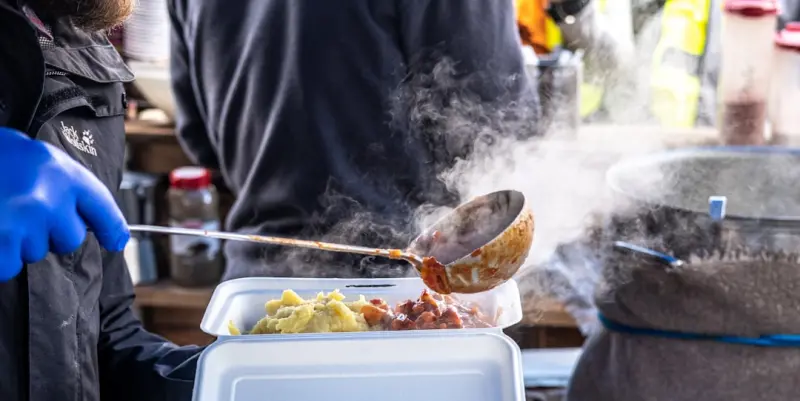
Why Your Next Trip Should Be a Flavor Expedition
There’s a restless rhythm that beats in the back of my mind every time I stare at a blank boarding pass. It’s not the rush of airport security, the ticking clock of a connecting flight, or even the promise of a postcard‑perfect skyline. It’s the whisper of a market stall, the sizzle of a street‑side grill, the scent of spices drifting on a breezy promenade. I’ve always believed that travel is less about ticking landmarks off a list and more about letting taste buds become the true GPS.
The Mis‑Match Between Tourist Menus and Authentic Meals
When you walk into a “tourist‑friendly” restaurant, the menu often reads like a glossy travel brochure: “Pan‑Asian Fusion Pasta” or “Exotic Curry Pizza.” These dishes are engineered to be instantly recognizable, a culinary safety net for the traveler who craves the familiar even in foreign lands. The problem? They flatten the depth of a culture into a single, sanitized bite.
During a recent weekend in Oaxaca, I sat down at a rooftop eatery that proudly advertised “Traditional Mexican Tacos.” The tacos arrived, wrapped in a soft flour tortilla, topped with a bland salsa that tasted like it had been filtered through a paper towel. I left feeling oddly unsatisfied, as if I’d missed the heart of the city because I’d ordered the “safe” version.
Mapping Flavors: A New Kind of Travel Itinerary
What if, instead of mapping museums and monuments, we plotted a flavor itinerary? Imagine a travel plan where each stop is chosen not for its Instagram potential but for the story it tells through food. This approach forces you to wander off the main boulevard, seek out the market where locals haggle for the freshest produce, and share a table with strangers whose lives are seasoned by the same spices you’re about to taste.
Here’s how I structure a flavor expedition:
- Research the regional palate. Every area has a flavor archetype—think citrus in the Amalfi Coast, fermented fish in Scandinavia, or smoky chilies in the Yucatán. Dive into food blogs, local culinary histories, and even social media hashtags that showcase home‑cooked meals.
- Identify “food hubs.” These are the places where locals gather: neighborhood markets, family‑run cafés, community festivals, and even roadside fruit stalls. They’re the epicenters of authentic flavor.
- Schedule “taste windows.” Instead of allocating a whole day to a museum, allocate a two‑hour window to explore a market, chat with a vendor, and try three to five items you’ve never encountered.
- Document the sensory experience. Keep a travel journal that focuses on aroma, texture, and after‑taste. Sketch the colors of a spice blend or note the sound of a bustling kitchen. Over time, you’ll see patterns that reveal the culinary soul of a place.
From Plate to Passport: The Science of Memory and Flavor
Research shows that our brains store memories most vividly when multiple senses are engaged simultaneously. A bright orange mango, the crackle of a fresh tortilla, the aroma of roasted cumin—all of these create a neural fingerprint that makes the memory of that moment almost indelible. By centering travel around taste, you’re essentially giving your brain a multi‑sensory anchor, turning a fleeting vacation into a lasting personal archive.
It’s not just about nostalgia; it’s about building a reservoir of cultural empathy. When you learn why a particular herb is revered in a region, you also understand the climate, agriculture, and history that shaped that reverence. Food, in this sense, becomes a living textbook.
Case Study: The Spice Route Reimagined
Last spring, I embarked on a three‑week journey along the historic Silk Road, but I turned the route on its head by following the modern “Spice Route.” Starting in the bustling souks of Marrakech, I made it a point to sit on a low stool beside a vendor named Fatima, who taught me how to grind fresh ras el hanout using a traditional mortar and pestle. The experience was less about the finished dish and more about the rhythmic motion, the dust of cumin swirling in the air, and the stories Fatima shared about her grandparents who once traded these spices across deserts.
From Morocco, I hopped on a train to Istanbul. Instead of the usual kebab tour, I visited a modest family kitchen in the Kadıköy district. The mother, Elif, prepared a simple lentil soup with a splash of pomegranate molasses—a combination that reminded me of the tangy notes I’d tasted in a Persian stew back in Tehran. The soup was a bridge connecting two cities I’d visited months apart.
By the time I reached the spice markets of Kolkata, I wasn’t just a tourist; I was a participant in a centuries‑old culinary conversation. I left with a notebook full of spice ratios, a handful of recipes handwritten on napkins, and a profound appreciation for how trade routes were, at their core, cultural dialogues.
Practical Tips for the Flavor‑First Traveler
- Learn a few food‑related phrases. A simple “¿Qué lleva?” (What does it have?) in Spanish or “Quelle est la spécialité?” in French can open doors to hidden eateries.
- Carry a reusable container. Many locals will gladly fill it with leftovers or fresh produce, reducing waste and giving you a taste of daily life.
- Embrace street food hygiene. Look for vendors with high turnover, fresh ingredients, and a clean prep area. Trust your instincts—if it looks good, it probably is.
- Use technology wisely. While you’re out hunting flavors, apps like Unlocking the Hidden Power of AI‑Driven Knowledge Hubs can help you discover off‑the‑beaten‑path markets and local food events that aren’t listed in mainstream guides.
- Connect with locals through food. Offer to help in a kitchen or ask a chef for a quick lesson. These moments often lead to invitations to family meals, providing a depth of immersion no tour can match.
When Flavor Becomes a Skill‑Building Bootcamp
If you’ve ever read Turning Trips Into Skill‑Building Bootcamps, you know that travel can be a catalyst for personal development. The flavor expedition is a natural extension of that idea. Each market visit teaches you negotiation, each cooking demo hones your timing, and every new ingredient expands your culinary vocabulary. By the end of your journey, you’ll have a toolbox of skills that go far beyond the souvenir fridge magnet.
Beyond the Plate: Turning Food Experiences into Creative Fuel
Back home, I often find that the most vivid writing I produce stems from a single bite I took abroad. The sharp bite of a fermented shrimp paste might inspire a paragraph about resilience, while the comforting warmth of a bowl of pho can spark an essay on nostalgia. I recommend setting aside a “flavor reflection” session each night—grab a journal, a cup of tea, and jot down the sensory details that still linger. Over weeks, you’ll notice patterns emerging that can inform everything from storytelling to product design.
Future‑Proofing Your Travel Narrative
In an age where anyone can upload a photo of a tourist trap in seconds, the real value lies in the stories that can’t be captured in a quick snapshot. The nuanced aroma of a spice market, the texture of a handmade tortilla, the hum of conversation in a bustling kitchen—these are experiences that resist commodification. By centering your travels around flavor, you create a narrative that’s uniquely yours and inherently timeless.
Wrapping Up: Your Passport to a World of Taste
Travel, at its heart, is an invitation to step outside of our comfort zones and into the kitchens, markets, and homes of strangers who become friends over shared meals. The next time you book a flight, consider drafting a flavor itinerary first. Let your stomach be the compass, your curiosity the map, and watch how every destination transforms from a point on a map to a memory that lingers on your palate for years to come.

Related Posts

Unplanned Paths: How Spontaneous Travel Revitalizes the Explorer Within
Explore the art of spontaneous travel, from micro‑adventures and analog journaling to digital deto... Read More
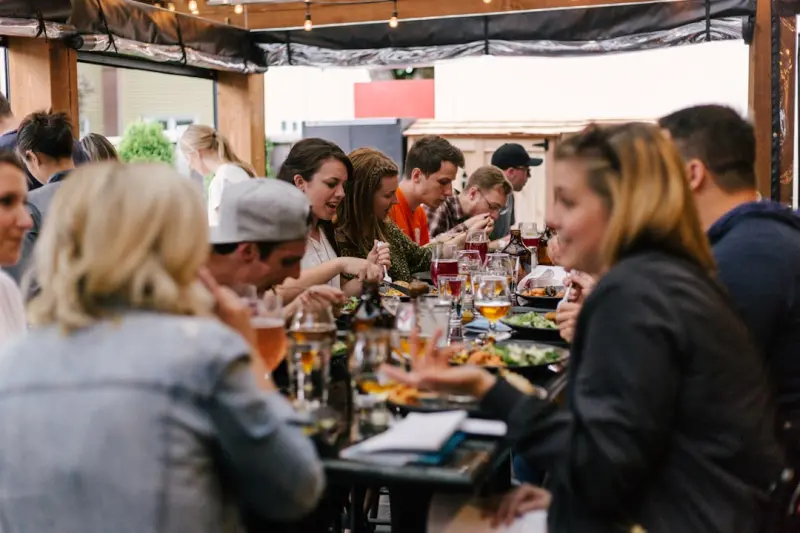
Flavorful Innovation: How Local Food Experiences Supercharge Business Creativity
Discover a proven framework for turning everyday meals into powerful sources of business insight, tu... Read More

Beyond Tourism: How Skill‑Sharing Volunteering Transforms Your Journeys
Explore a fresh travel approach where you trade expertise for cultural immersion, forging meaningful... Read More
Top Posts

Conversational Commerce: Turning Chat Into Revenue
Discover why AI‑powered chats are reshaping the customer journey and learn actionable steps to turn conversational interactions into measurable revenue....Read More
Beyond the Guidebook: Crafting Unscripted Adventures in the Age of Instant Itineraries
A fresh take on travel that swaps rigid itineraries for spontaneous storytelling, offering practical tips to embrace “strategic serendipity,” pack light, an...Read More

Smart Organization Hacks for Small Spaces: Turn Every Nook Into a Functional Asset
Learn how to transform every corner of a small home into a purposeful zone using everyday objects, modular pieces, and subtle tech—creating a flexible, organi...Read More
Sensory Marketing: How Engaging All Five Senses Supercharges Brand Loyalty
Unlock the hidden power of scent, sound, touch, and taste to create unforgettable brand experiences that turn casual shoppers into loyal advocates....Read More
0 Comments
Post Comment
You will need to Login or Register to comment on this post!