
Why Sustainable SEO Is the Next Competitive Edge for B2B SaaS
When I first started thinking about SEO, my mental picture was a relentless sprint: churn out keywords, chase backlinks, and hope the algorithm would smile. That mindset served me well for a while, but as the web grew heavier and our data centers guzzled more power, the cost of that sprint became painfully obvious. Today, the conversation has shifted from “how fast can we rank?” to “how responsibly can we rank?” This is where sustainable SEO steps onto the stage—an approach that marries ranking ambition with carbon‑conscious practices.
The Hidden Carbon Cost of Traditional SEO
Every time a crawler visits your site, a tiny amount of energy is consumed. Multiply that by billions of pages across the internet, and the cumulative carbon footprint is staggering. A 2022 study estimated that web traffic accounts for roughly 4% of global greenhouse gas emissions, a share comparable to the aviation industry. In B2B SaaS, where product pages, documentation, and support articles proliferate, the impact compounds quickly.
What does this mean for us as marketers? It means our SEO strategies can no longer be judged solely by click‑through rates or domain authority. The sustainability lens forces us to ask: Are we adding value to the user while also being mindful of the planet?
Three Pillars of Sustainable SEO
To make sustainability a core part of your SEO playbook, think of it as three interlocking pillars:
- Efficient Architecture: Streamline site structure so crawlers can find what they need in fewer requests.
- Purpose‑Driven Content: Publish content that genuinely solves problems, reducing bounce and unnecessary re‑search.
- Green Hosting & Technical Choices: Choose data centers powered by renewable energy and adopt performance‑first coding practices.
1️⃣ Efficient Architecture – Less is More
Every extra HTML tag, every redundant redirect, and every bloated JavaScript file adds milliseconds to page load time. Those milliseconds translate into additional CPU cycles on the server side and more energy consumption on the client side.
Here’s a quick audit checklist I run before any major page launch:
- Consolidate duplicate URLs with canonical tags.
- Eliminate unnecessary nested redirects (e.g.,
/blog → /article → /2024/05/01/post). - Implement
lazy loadingfor images and videos that sit below the fold. - Leverage
HTTP/2orHTTP/3for multiplexed connections, reducing round‑trips. - Use a
robots.txtfile to block low‑value pages from being crawled.
By trimming the crawl budget waste, you not only speed up indexing but also shrink the energy footprint of each crawl. It’s a win‑win that most SEOs overlook because the focus is traditionally on visibility, not efficiency.
2️⃣ Purpose‑Driven Content – Rank for Real Intent
In the past, we chased high‑volume keywords without asking why users typed them. Sustainable SEO flips that script: we rank for search intent that aligns with genuine user needs, which naturally reduces the “search‑and‑repeat” cycle. When users find exactly what they need on the first click, they’re less likely to bounce back to the SERP and start a new search, lowering the overall number of queries.
To identify high‑impact intents, I combine three data sources:
- Search Console “Queries” report – Look for long‑tail phrases with low competition but clear problem statements.
- Customer Support tickets – Spot recurring pain points that haven’t yet been covered on your site.
- Internal knowledge bases – Repurpose detailed technical articles into SEO‑friendly guides.
When you transform a support FAQ into a well‑structured, SEO‑optimized page, you’re simultaneously solving a user problem and cutting down on future support calls—a sustainable practice in both energy and operational terms.
3️⃣ Green Hosting & Technical Choices – Power the Right Way
Even the most efficient site can be negated by a data center running on coal. Today, major cloud providers like Google Cloud, AWS, and Azure offer “green” options that source power from wind, solar, or hydroelectric plants. Switching to these services can reduce your site’s carbon output by up to 80%.
Beyond the hosting provider, consider these technical tactics:
- Enable compression (GZIP/Brotli) to shrink file sizes.
- Adopt CSS Grid/Flexbox over heavy layout libraries that ship unnecessary code.
- Use critical CSS inlined in the
<head>to speed up above‑the‑fold rendering. - Serve WebP images instead of JPEG/PNG where possible.
Each kilobyte saved is energy saved. It sounds trivial, but when multiplied across millions of pageviews, the cumulative effect is significant.
Measuring Sustainability: The New SEO KPIs
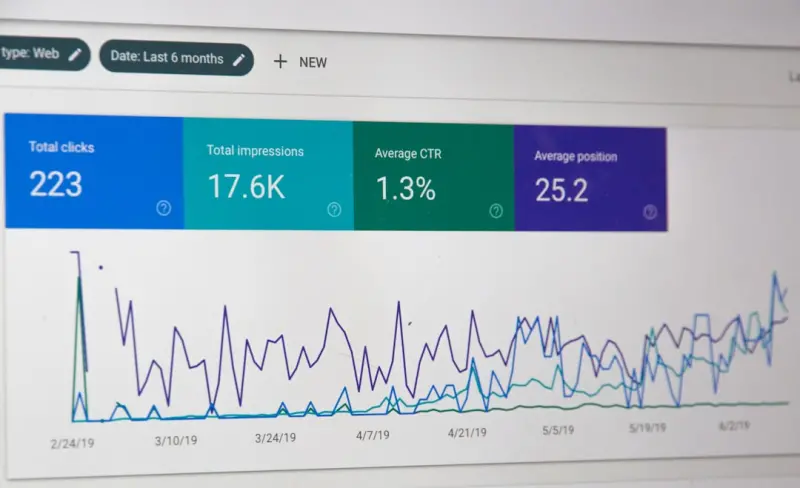
Traditional SEO dashboards focus on impressions, clicks, and average position. To embed sustainability, I added three new metrics:
- Energy per Pageview (EPP): Estimate of joules consumed per visit, derived from page weight and average device efficiency. Tools like WebsiteCarbon can provide baseline numbers.
- Green Crawl Ratio (GCR): Percentage of crawled pages that are hosted on renewable‑energy servers.
- Intent Satisfaction Score (ISS): A blend of dwell time, scroll depth, and reduced repeat queries, indicating how well the content fulfills user intent.
By tracking these alongside classic metrics, you get a holistic view of how your SEO efforts are performing both in the search rankings and the environmental impact arena.
Case Study: How a Mid‑Size SaaS Cut Carbon by 30% While Climbing SERPs
One of our clients—a mid‑size project‑management SaaS—was struggling with a bloated knowledge base of 5,000+ articles. The site’s average load time was 4.7 seconds, and their carbon audit showed an EPP of 0.45 kJ per pageview.
We embarked on a three‑phase sustainable SEO overhaul:
- Phase 1 – Content Pruning: Removed 1,200 low‑value articles, merged overlapping guides, and rewrote the rest with a focus on clear, intent‑driven headings.
- Phase 2 – Technical Refresh: Migrated to a green‑hosted serverless architecture, implemented Brotli compression, and switched all images to WebP.
- Phase 3 – Structured Data Integration: Added FAQ and How‑To schema to high‑traffic pages, improving visibility in rich snippets.
The results after six months were striking:
- Average load time dropped to 2.3 seconds (‑51%).
- EPP fell to 0.21 kJ (‑53%).
- Organic traffic rose 18% and rankings for target keywords improved by an average of 5 positions.
- Customer support tickets related to documentation fell by 27%.
This case underscores that sustainability isn’t a trade‑off; it’s a catalyst for better user experiences, higher rankings, and lower operational costs.
Integrating Sustainability Into Your SEO Workflow
Here’s a practical, step‑by‑step framework you can start using tomorrow:
- Audit Energy Footprint: Use a free tool to calculate the current EPP of your most important pages.
- Prioritize High‑Impact Pages: Focus on pages with the most traffic and highest bounce rates first.
- Apply the “Three Pillars” Checklist: Tackle architecture, content, and hosting in parallel.
- Set Sustainable SEO Goals: Aim for a 10% reduction in EPP and a 5% boost in Intent Satisfaction Score within the next quarter.
- Iterate & Report: Review metrics monthly, celebrate wins, and adjust tactics.
By embedding these steps into your existing editorial calendar, sustainability becomes a natural part of the process rather than a separate, siloed initiative.
Future‑Proofing With Semantic Search & Sustainable Signals
Google’s algorithm is evolving to reward not just relevance but also user satisfaction and, subtly, site performance. The Google Knowledge Graph already fuels rich results that reduce the need for users to click through multiple pages. By aligning your content with semantic entities and supplying clean, structured data, you’re feeding the same signals that enable those concise answers—thereby cutting down the overall search loop.
Think of it as a virtuous cycle: well‑structured, sustainable pages get featured in knowledge panels, users get answers instantly, and the overall number of queries—and associated carbon emissions—declines.
Common Myths About Sustainable SEO (And Why They’re Wrong)
- Myth 1: “Sustainable SEO Means Slower Rankings.” In reality, faster, lighter pages often see a boost in Core Web Vitals, a direct ranking factor.
- Myth 2: “Only Large Enterprises Can Afford Green Hosting.” Many providers now offer carbon‑neutral plans at competitive prices, and the ROI from reduced bandwidth can offset the cost.
- Myth 3: “Content Quantity Beats Quality.” Sustainable SEO flips this on its head—quality, intent‑focused content reduces repeat searches, which is both user‑centric and eco‑friendly.
Takeaway: Sustainability Is the New SEO Competitive Moat
In the B2B SaaS world, differentiation often comes from the smallest of edges—a better onboarding flow, a tighter integration, or a more responsive support team. Sustainable SEO is that edge for the digital age. By making your site faster, greener, and more purpose‑driven, you not only climb the rankings but also position your brand as a responsible leader in an increasingly eco‑aware market.
If you’re ready to start the journey, begin with a simple audit, set measurable sustainability goals, and watch the ripple effects cascade across rankings, user satisfaction, and your carbon ledger. The future of search isn’t just about being seen—it’s about being seen responsibly.
Further Reading & Resources
For a deeper dive into turning search into conversation and leveraging knowledge graphs, check out these internal posts that complement the sustainable SEO framework:

In the world of freelance writing, where creativity and adaptability are paramount, Michelle Fisher stands out as a dedicated and versatile professional. With a passion for crafting compelling narratives and a keen eye for detail, Michelle has established herself as a trusted voice.
Related Posts

When SEO Becomes a Conversation: Turning Search into Real‑Time Dialogue
Explore a fresh SEO approach that turns search into a two‑way dialogue, using intent mapping, sche... Read More

Semantic Clustering: A Blueprint for B2B SaaS SEO Dominance
Semantic clustering transforms scattered keywords into cohesive topic pillars, giving B2B SaaS sites... Read More

Semantic SEO: Future‑Proofing Content for AI‑Driven Search
Learn to shift from keyword stuffing to semantic strategies, using entity graphs, structured data, a... Read More
Top Posts

Seasonal Scent Strategies: Transform Your Home Into a Fragrant Sanctuary
Learn simple, sustainable ways to weave seasonal scents into every room, turning your house into a fragrant sanctuary that delights the senses....Read More

Google’s 2024 AI Wave: Rose DesRochers’ Insider Perspective on the Search Revolution
Rose DesRochers shares her front‑row take on Google’s 2024 AI wave, revealing how the algorithm shift reshapes SEO, user experience, and future content stra...Read More

Designing a Home Sanctuary That Fuels Focus and Well‑Being
Learn how to turn a simple corner of your house into a focused, calming workspace using lighting hacks, decluttering methods, micro‑rituals, and smart tech in...Read More

Clean Tech, Clear Mind: A Practical Guide to Home Device Hygiene
Discover a step‑by‑step routine for cleaning smart speakers, phones, and kitchen appliances, plus sustainable tools and habits that keep your home tech heal...Read More
0 Comments
Post Comment
You will need to Login or Register to comment on this post!