

Why Semantic Clustering Is the Secret Sauce Behind Modern SaaS SEO
When I first started optimizing content for a series of SaaS products, the rulebook was simple: target the right keywords, build backlinks, and pray for higher rankings. Fast‑forward a few releases, and the landscape looks nothing like the one we grew up with. Search engines have evolved from keyword matchers to sophisticated intent readers, and the way we structure our content must evolve with them. This is where semantic clustering steps onto the stage—not as a buzzword, but as a practical methodology that can turn an unwieldy content library into a tightly knit, search‑engine‑loving ecosystem.
From Keywords to Concepts: The Paradigm Shift
Traditional SEO taught us to chase individual keywords and treat each page as an island. In practice, that approach creates a fragmented experience for both users and crawlers. Search engines now reward conceptual relevance—the ability to understand that a set of pages together answer a broader question. By grouping related topics into semantic clusters, you signal to Google (and its competitors) that you own a whole subject area, not just isolated fragments.
Building a Semantic Cluster From Scratch
The process can be broken down into four actionable steps:
- Map Core Topics. Start with your product’s primary value propositions. For a SaaS platform, this might be “customer onboarding automation,” “usage analytics,” or “team collaboration.”
- Gather Supporting Keywords. Use a combination of search console data, topic‑modeling tools, and competitor analysis to collect long‑tail queries that orbit each core topic.
- Create Pillar Pages. These are comprehensive, evergreen resources that serve as the authoritative hub for each core topic. Think of them as the “Wikipedia” entry for your niche.
- Develop Cluster Content. Write blog posts, case studies, how‑to guides, and videos that dive into the supporting keywords, linking back to the pillar page with natural anchor text.
When executed correctly, the pillar page accrues the link equity of all its supporting articles, creating a powerful internal linking web that search engines can easily crawl and understand.
Why SaaS Companies Need This Approach More Than Anyone
SaaS businesses often have complex value chains and a plethora of feature sets. Prospects typically enter the funnel at different stages of the buyer’s journey—some are researching high‑level industry challenges, while others are comparing feature‑by‑feature matrices. Semantic clustering lets you capture demand at every stage, presenting a cohesive narrative that guides the user from awareness to consideration without the disjointed “jump to another article” experience.
Internal Linking: The Unsung Hero of Semantic Clustering
Link equity is the lifeblood of any SEO strategy, but it’s easy to let it bleed away on a sprawling blog. By funneling links from cluster articles back to a pillar, you consolidate authority. The reverse is also true: a well‑optimized pillar page can pass link juice downstream to newer, lower‑ranking pieces, accelerating their visibility.
To illustrate, imagine a SaaS product focused on remote workforce analytics. Your pillar page covers “Measuring Remote Employee Productivity.” Supporting articles could include “How to Track Time Zones in Distributed Teams,” “Best Practices for Asynchronous Communication Metrics,” and “Leveraging AI to Predict Burnout.” Each piece links back to the pillar with contextual anchors like “remote productivity metrics” or “AI‑driven burnout detection.” The result? A tightly knit network that search engines recognize as an authority on the subject.
Data‑Driven Validation: Using Search Console as Your Lab
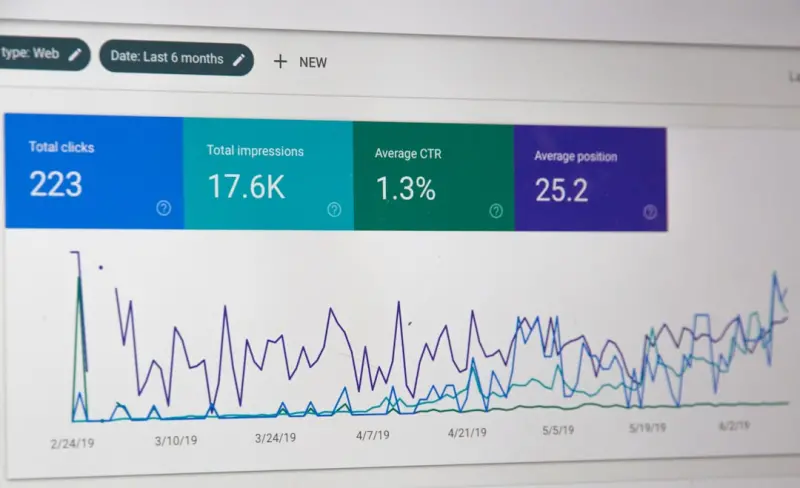
Semantic clustering isn’t a set‑and‑forget tactic. Treat your search console as a laboratory where you can observe which clusters are gaining traction and which need refinement. Look for spikes in impressions for a cluster’s pillar page, then dive into the supporting articles that contributed. If a particular long‑tail query is pulling in traffic but the associated page is thin, expand it into a full‑fledged post or add more internal references.
Automation Meets SEO: The Role of Edge AI
Scaling semantic clusters across a growing SaaS portfolio can be daunting. This is where Edge AI comes into play. By deploying lightweight AI models at the edge, you can automatically categorize new content, suggest internal linking pathways, and even flag orphaned pages before they become a crawl budget nightmare. The result is a dynamic, self‑optimizing content architecture that keeps pace with product releases and market shifts.
Cookieless Realities and the Need for Strong Semantic Signals
With the industry moving toward a cookieless future, relying on third‑party data for personalization is no longer viable. Search engines now lean more heavily on the intrinsic relevance of your content to serve users. A well‑structured semantic cluster acts as a signal that your site truly understands user intent, reducing the dependence on external data points. For SaaS marketers, this translates into more reliable organic traffic even as ad‑tech ecosystems change. See our deep dive on the Cookieless Frontier for additional context.
Measuring Success: KPI Dashboard for Semantic Clusters
What gets measured gets managed. When you adopt semantic clustering, shift your KPI lens from single‑page rankings to cluster‑level performance. Key metrics include:
- Cluster Impression Share. The proportion of total impressions captured by all pages within a cluster.
- Average Position of Pillar Pages. A rising average signals authority consolidation.
- Internal Link Equity Flow. Tools like Screaming Frog or Sitebulb can quantify how much link juice travels between pages.
- Conversion Path Depth. Track how many cluster pages a visitor traverses before converting, highlighting the funnel efficiency.
By monitoring these indicators, you can fine‑tune content, adjust linking strategies, and allocate resources to the clusters delivering the highest ROI.
Common Pitfalls and How to Avoid Them
Even the most seasoned SEO practitioners stumble when transitioning to a cluster mindset. Here are three traps to watch out for:
- Over‑Clustering. Packing too many loosely related topics into a single cluster dilutes relevance. Keep clusters tight around a clear core concept.
- Thin Supporting Content. A pillar page can’t lift weak articles. Ensure each cluster piece offers depth, data, and actionable insights.
- Neglecting User Intent Evolution. Search intent shifts. Periodically audit your clusters to incorporate emerging queries and retire outdated topics.
Future‑Proofing Your SEO With Structured Data
Semantic clustering pairs naturally with schema markup. By annotating your pillar pages with FAQPage or HowTo schemas, you give search engines an extra layer of clarity about the content’s purpose. This not only boosts the chances of appearing in rich results but also reinforces the semantic relationship between your pages.
Wrapping Up: From Silos to Symphonies
In the ever‑evolving world of SaaS, content is the bridge between product and prospect. Semantic clustering transforms a chaotic library of articles into a harmonious symphony that both users and search engines can follow. By aligning your SEO strategy with this approach—leveraging AI at the edge, adapting to a cookieless world, and measuring cluster health—you’ll build a resilient organic engine that fuels growth long after the latest algorithm update rolls out.

Paul Flynn is a versatile freelance writer equipped with a diverse skillset and a portfolio that reflects his wide-ranging interests and expertise. From crafting compelling website copy and engaging blog posts to delivering in-depth articles and meticulously researched reports, Flynn demonstrates a remarkable ability to adapt his writing style to suit various audiences and purposes.
Related Posts

Mapping the Searcher Journey: Turning SEO into a Living Blueprint
Discover a dynamic, data‑driven approach to SEO that starts with the searcher’s journey, leverag... Read More
From Docs to Discovery: Unleashing SEO Power in SaaS Knowledge Bases
Discover a step‑by‑step framework for turning SaaS documentation into organic traffic, leveragin... Read More

Why Semantic SEO Is the Quiet Engine Driving B2B SaaS Visibility
Semantic SEO moves beyond keywords to map user intent, structured data, and AI insights, giving B2B ... Read More
Top Posts

Savoring Side Streets: How Food‑First Adventures Redefine the Modern Journey
Rose DesRochers shares a fresh travel approach that places food at the center of the adventure, revealing how local flavors ignite memory, creativity, and deepe...Read More

Google’s 2024 AI Wave: Rose DesRochers’ Insider Take on the Search Revolution
Rose DesRochers reveals how Google’s 2024 AI upgrades reshape search, offering marketers insider tactics to stay ahead in a rapidly evolving digital landscape...Read More
Rewilding Your Daily Routine: How Nature Immersion Boosts Health
A fresh take on health: learn to weave nature into your daily habits for lasting mental and physical benefits....Read More

Google’s Hidden Playbooks: Sustainability, Culture, and the Future of Innovation
Discover Google’s lesser‑known initiatives—from carbon‑free data centers to AI ethics—and learn how they empower businesses to innovate responsibly....Read More
0 Comments
Post Comment
You will need to Login or Register to comment on this post!