
Why Predictive Customer Journey Mapping Is the Next Competitive Edge
When I first stepped into the chaotic world of digital marketing, the classic funnel felt like a one‑way street—lead in, sale out. That linear view barely scratches the surface of how modern consumers interact across devices, platforms, and moments. Today, customers weave in and out of touchpoints, creating a multi‑dimensional path that demands a more dynamic roadmap. By treating each interaction as a data signal rather than a static checkpoint, we unlock the power to anticipate needs before they surface. This shift from reactive to proactive isn’t just a nice‑to‑have; it’s becoming the baseline for brands that want to stay relevant in an ever‑accelerating market. In my experience, the moment you start predicting the next step, you move from merely surviving to truly thriving.
From Funnel to Flow: Rethinking the Customer Experience
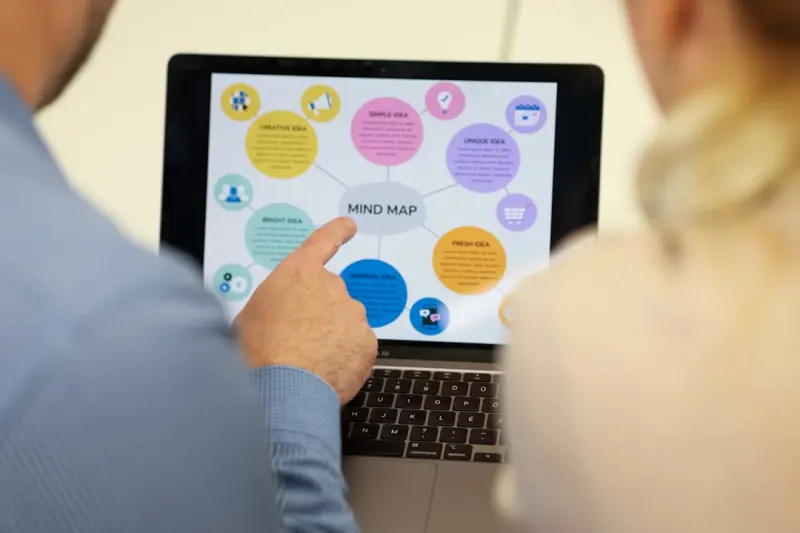
Traditional funnels assume a linear progression—awareness, consideration, conversion—yet real‑world behavior is anything but linear. Users may discover a product on Instagram, later research it via search, and finally purchase through a referral link, looping back to post‑purchase advocacy. This fluidity requires a journey‑centric mindset that captures the ebb and flow of engagement. By mapping out these loops, marketers can pinpoint friction points that a simple funnel would hide. For example, a sudden drop‑off after a product demo video might indicate a need for deeper educational content. I’ve found that visualizing the journey as a network of touchpoints, rather than a straight line, reveals hidden opportunities to nurture prospects at every stage. Embracing this flow mindset not only improves conversion rates but also builds lasting brand loyalty.
The Data Backbone: Building a Real‑Time Pipeline
To predict where a customer will go next, you first need a robust data pipeline that aggregates signals in real time. This means pulling from CRM, web analytics, social listening tools, and even offline interactions such as events or in‑store visits. I start by unifying identifiers—email, phone, device IDs—so that each touchpoint speaks the same language. Then, I layer a streaming platform like Kafka or a serverless solution to ingest events as they happen. The goal is to create a single source of truth that updates continuously, rather than relying on nightly batch exports that leave you a step behind. Once the pipeline is live, you can feed fresh data into predictive models, dashboards, and personalization engines, ensuring that every campaign reflects the most current customer intent.
Predictive Analytics: Turning Signals into Forecasts
With a clean data stream in place, the next step is to apply predictive analytics that convert raw signals into actionable forecasts. I favor a hybrid approach—combining rule‑based segments with machine‑learning models that identify hidden patterns. For instance, a decision‑tree model can surface the combination of a product view, a price‑drop alert, and a specific time of day that predicts a 70% likelihood of purchase within 48 hours. These probabilistic scores become the engine for automated triggers: a personalized email, a retargeting ad, or a chat‑bot prompt. The beauty of this method is that it learns and adapts; as more data flows in, the model refines its predictions, reducing false positives and increasing ROI. In practice, I’ve seen conversion lifts of 15‑20% when we replace generic follow‑ups with model‑driven, intent‑based outreach.
Integrating Predictive Insights Across Channels
Predictions are only as valuable as the channels you activate them through. An omnichannel strategy ensures that the right message reaches the right person at the right moment, no matter where they are. I align predictive scores with ad platforms, email service providers, and on‑site personalization tools, using APIs to share the insights in real time. For example, a high‑intent shopper on your mobile site can instantly see a limited‑time discount banner, while the same user receives a tailored SMS reminder if they abandon the checkout. This synchronized experience reinforces the brand’s relevance and reduces friction. Moreover, by feeding channel performance back into the model, you create a feedback loop that continually optimizes which touchpoints drive the best outcomes. The result is a cohesive, data‑driven symphony rather than disjointed, siloed efforts.
Measuring Impact: From Attribution to Optimization
Predictive journey mapping demands a new measurement framework that goes beyond last‑click attribution. I recommend a multi‑touch attribution model that weights each interaction based on its predictive contribution to the final conversion. This involves assigning fractional credit to early awareness actions, mid‑funnel engagements, and late‑stage nudges, all informed by the model’s probability scores. By visualizing the uplift each touchpoint provides, you can allocate budget more efficiently, prioritize high‑impact channels, and justify investments in emerging platforms. Additionally, I track “prediction accuracy” as a KPI—comparing forecasted conversion probabilities against actual outcomes. When the model’s confidence aligns closely with real results, you know the system is trustworthy enough to drive larger, automated campaigns. This data‑centric evaluation ensures you’re not just chasing numbers, but truly optimizing the customer experience.
Case Study: Transforming a SaaS Funnel with Predictive Mapping
One of my recent projects involved a SaaS company struggling with a leaky trial‑to‑paid conversion. By implementing a predictive journey framework, we first mapped every user interaction—from the initial blog read to the in‑app tutorial completion. The data pipeline revealed that users who engaged with a specific feature video within the first 48 hours were 3× more likely to upgrade. We built a model that flagged these high‑propensity users and triggered a personalized webinar invitation. Simultaneously, low‑propensity users received a series of educational emails to nurture interest. The result? Trial‑to‑paid conversion jumped from 8% to 14% in just six weeks, and the cost per acquisition dropped by 22%. This success story underscores how turning data into foresight can revitalize even the most stagnant funnels.
Putting It All Together: Your Action Plan
If you’re ready to upgrade from a static funnel to a living, predictive journey map, start with three concrete steps. First, audit your current data sources and unify customer identifiers to create a real‑time pipeline. Second, select a predictive analytics tool—whether it’s a custom‑built model or a SaaS solution—and begin testing simple conversion‑probability rules. Third, integrate those predictions across your key marketing channels, ensuring every touchpoint can act on the insights instantly. As you iterate, keep a close eye on attribution metrics and model accuracy, adjusting as needed. For deeper strategic guidance, you might explore concepts from Crafting Cohesive Brand Stories to align your narrative with data‑driven touchpoints, or dive into Micro‑Community Marketing to leverage niche audiences in your predictive flows. Embrace the journey, and let the data lead you to the next level of growth.

Robert Mathews is a professional content marketer and freelancer for many SEO agencies. In his spare time he likes to play video games, get outdoors and enjoy time with his family and friends .
Related Posts

Voice Search Optimization: The New Frontier for Digital Marketers
Explore the rise of voice search, learn practical audit steps, and unlock strategies to make your br... Read More
Micro‑Influencer Communities: A Quiet Revolution in B2B Digital Marketing
Micro‑influencer communities—niche, trusted experts—are reshaping B2B digital marketing. Learn... Read More

Privacy‑First Digital Marketing: Turning Consent Into a Competitive Edge
In a cookie‑less landscape, consent becomes the most valuable signal. This post shows how B2B SaaS... Read More
Top Posts
Micro‑Influencer Communities: A Quiet Revolution in B2B Digital Marketing
Micro‑influencer communities—niche, trusted experts—are reshaping B2B digital marketing. Learn how to identify, collaborate, and scale these relationships...Read More

Unlocking the Power of Google Workspace for B2B SaaS Teams
A practical guide shows B2B SaaS leaders how to turn Google Workspace into a unified knowledge hub, accelerating product development, sales enablement, and cust...Read More
Taste Trails: Mapping the World One Dish at a Time
Explore a new travel mindset that uses food as a compass, creating personal flavor maps that lead to hidden culinary gems, deeper cultural connections, and sust...Read More
The Secret Pulse: How Biometric Data is Redefining Modern Marketing
Explore the rise of neuromarketing, where heart‑rate, eye‑tracking and AI blend to create emotionally intelligent campaigns that boost engagement and trust....Read More
0 Comments
Post Comment
You will need to Login or Register to comment on this post!