

When Google rolled out the Search Generative Experience (SGE), the buzz was palpable. The familiar list of blue links gave way to AI‑crafted snippets that aim to answer questions before you even click. For SaaS founders and marketers, this shift feels like the moment the internet’s “first page” was rewritten in real time. In this post, I’ll walk you through why SGE matters for B2B SaaS, how to future‑proof your discovery strategy, and which tactical moves can turn a seemingly opaque AI layer into a reliable lead source.
Why SGE Is More Than a Fancy SERP
SGE isn’t just a UI facelift; it’s a fundamental change in how Google surfaces knowledge. Traditional SEO hinged on keyword relevance, backlink authority, and click‑through rates. Now, Google’s language model evaluates the intent behind a query, synthesizes data from across the web, and serves a concise, AI‑generated answer. This means that:
- Organic traffic can bypass the click. Users may get the answer directly in the SERP, reducing traffic to the original source.
- Authority signals evolve. Google now assesses the credibility of the content it pulls from, favoring structured data, clear citations, and demonstrable expertise.
- Content formats matter more. Rich snippets, FAQs, and schema‑enhanced pages have a higher chance of being quoted in the AI answer.
For SaaS companies, the risk is obvious: your product page might become a footnote in a generative answer rather than the destination. The opportunity, however, is just as compelling. If you can position your brand as the “source of truth,” Google may start showcasing your expertise directly in the SGE overlay, driving high‑quality leads without a single click.
Mapping the SGE Funnel: From AI Prompt to Qualified Lead
Think of the SGE funnel as three layers:
- Prompt Capture. The user’s query enters Google’s AI engine.
- Answer Generation. The model curates excerpts, facts, and data points from the web.
- Source Attribution. Google displays the URLs it used, often with a “Read more” link.
Only the third layer offers a direct traffic path. Your goal is to be the source that Google cites. To do that, you need to optimize for three pillars: relevance, credibility, and accessibility.
1. Relevance: Speak the Language of Your Ideal Customer
SGE’s AI model draws heavily from topical relevance. This means your content must align closely with the specific pain points and terminology your target audience uses. Here’s a practical approach:
- Deep‑dive keyword clusters. Move beyond primary keywords. Map out long‑tail phrases that reflect real‑world decision‑making, such as “how to reduce churn in subscription SaaS” or “best integration platform for fintech APIs.”
- Intent‑first content. Draft articles that answer a question from start to finish, using subheadings that mirror the user’s mental steps. Structured, hierarchical content makes it easier for the AI to extract concise snippets.
- Real‑world case studies. Data‑driven examples (e.g., “Company X reduced onboarding time by 30% using our API”) provide concrete evidence that the model can quote.
2. Credibility: Build Trust the Way Google Does
Google’s AI is designed to surface trustworthy information. To become a trusted source, consider these tactics:
- Schema markup. Use
FAQPage,HowTo, andProductschema to signal the nature of your content. This not only helps traditional rich results but also gives the AI clearer metadata to work with. - Citation hygiene. Whenever you reference third‑party data, include proper citations and links. The AI prefers content that can be traced back to reputable sources.
- Author authority. Highlight the credentials of your writers—product managers, data scientists, industry analysts. A byline with a LinkedIn profile can boost perceived expertise.
When you think about credibility, remember that the AI model itself is trained on the same signals Google uses for ranking. If your pages already rank well for traditional SEO, they have a head start in being selected for SGE.
3. Accessibility: Make It Easy for Google to Pull Your Content
Even the most relevant, authoritative piece will be ignored if Google can’t parse it. Follow these best practices:
- Keep HTML clean. Avoid excessive JavaScript that hides content from crawlers. Use server‑side rendering where possible.
- Optimize for mobile. Mobile‑first indexing remains a cornerstone. Fast, responsive pages are more likely to be featured.
- Use concise, declarative sentences. The AI extracts snippets based on sentence boundaries. Clear, stand‑alone statements increase the chance of being quoted verbatim.
Integrating SGE Into Your Existing SEO Playbook
If you’re already investing in SaaS SEO, you don’t have to start from scratch. Think of SGE as an additional distribution channel that amplifies the work you’ve already done. Here’s how to align the two:
- Audit your existing pillar pages. Identify which ones already answer core buyer questions. Enhance them with structured data and clear answer blocks.
- Leverage internal linking. Create a web of contextual links that guide the AI through your knowledge base. A well‑linked ecosystem signals topical depth.
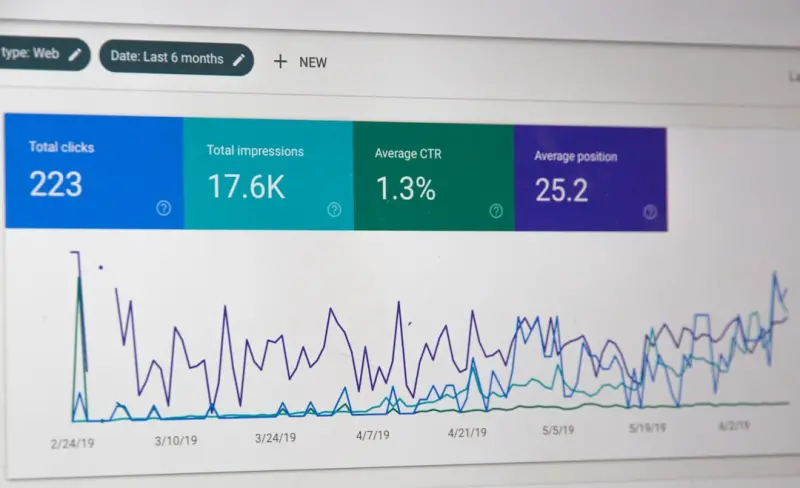
- Monitor SGE appearances. Use tools like Google Search Console’s “Performance” report to spot queries where your brand appears in the AI answer. This data informs future content gaps.
For a deeper dive on turning technical content into search gold, check out our guide on Turning SaaS API Docs into SEO Gold. It offers a step‑by‑step methodology that dovetails nicely with SGE optimization.
Content Formats That Shine in SGE
While traditional blog posts remain valuable, certain formats are especially SGE‑friendly:
1. FAQ Pages
Google loves concise Q&A pairs. By structuring your FAQ with FAQPage schema, you increase the likelihood that a specific answer will be lifted into the AI snippet. Aim for 5‑10 highly targeted questions per page.
2. How‑To Guides
Step‑by‑step instructions translate well into the AI’s “process” orientation. Break down complex workflows (e.g., “Integrate our API with Salesforce in 5 steps”) and use ordered lists for clarity.
3. Data‑Rich Tables
Performance benchmarks, pricing comparisons, and feature matrices are prime candidates for AI extraction. Ensure tables are HTML‑based (not images) and include caption tags for context.
4. Video Transcripts
If you produce product demos, add full transcripts to the page. The AI can pull textual content from the transcript, giving your video an extra SEO boost.
Measuring Success: KPIs Beyond Clicks
Traditional SEO metrics—organic traffic, rankings, CTR—still matter, but with SGE you need to add a few more lenses:
- Impression Share in AI Answers. Track how often your brand is cited in SGE snippets using the “Search appearance” report in Search Console.
- Lead Quality from “Read More” Clicks. Since the only click path is the attribution link, measure conversion rates of visitors who arrive via SGE.
- Brand Lift Surveys. Periodically ask prospects if they recognize your brand as an authority, helping gauge the indirect impact of AI visibility.
Future‑Proofing: Preparing for the Next Evolution
Google isn’t standing still. Rumors of “Multimodal SGE” (integrating images, video, and even real‑time data) suggest the AI layer will become even richer. To stay ahead:
- Invest in structured data across media types. Tag images with
ImageObjectand videos withVideoObjectschema. - Build a centralized knowledge base. A well‑organized repository of product documentation, case studies, and whitepapers makes it easier for the AI to find reliable answers.
- Experiment with Google’s Generative AI tools. The same team that built SGE offers internal APIs for content generation. Using them responsibly can accelerate your content pipeline while maintaining brand voice.
In fact, many of our product teams have already begun unleashing Google’s AI toolbox to prototype new features and automate knowledge‑base updates. The synergy between internal AI workflows and external SGE visibility creates a virtuous cycle of relevance.
Action Plan: 7 Steps to Own Your Spot in SGE
- Audit core buyer queries. List the top 20 questions your prospects ask during the evaluation phase.
- Map each query to a dedicated page. Ensure each page provides a definitive answer, supported by data and citations.
- Implement schema. Add
FAQPage,HowTo, andProductmarkup where appropriate. - Enhance with visual data. Insert tables, charts, and infographics in HTML format.
- Link internally. Create a web of contextual links that guide the AI through related concepts.
- Monitor SGE impressions. Use Search Console to track attribution appearances and adjust content accordingly.
- Iterate quarterly. Refresh data, add new case studies, and expand FAQ sections to stay current.
By treating SGE as a new kind of SERP rather than a threat, you turn Google’s AI from a traffic siphon into a premium positioning tool. Your SaaS brand can become the go‑to source that Google showcases—turning AI‑generated answers into high‑intent leads.
Remember, the landscape will keep evolving. The best defense is a proactive, data‑driven content strategy that aligns with Google’s mission to surface the most helpful information. When you do that, you won’t just survive the generative search revolution—you’ll thrive in it.

David Moore is a freelance writer specializing in two dynamic and ever-evolving fields: gambling and the tech industry. With a keen eye for detail and a knack for unraveling complex topics, David delivers insightful and engaging content that keeps readers informed and entertained.
Related Posts

Leveraging Google’s Knowledge Graph to Supercharge B2B SaaS Personalization
The article explores practical ways B2B SaaS companies can integrate Google’s Knowledge Graph API ... Read More

Riding Google’s AI Wave: Why Human Connection Still Wins
Discover why, even as Google’s AI reshapes search, brands that stay human and authentic outperform... Read More
Unlocking Google’s Knowledge Graph: A New Frontier for Brand Authority
Explore the power of Google’s Knowledge Graph and learn practical steps to embed your brand into t... Read More
Top Posts

Why Privacy‑First Marketing Is the New Growth Engine
Explore why putting privacy at the core of your strategy builds trust, boosts engagement, and creates a sustainable competitive edge in digital marketing....Read More

The Rise of Conversational Communities: How Brands Turn Dialogue into Loyalty
Explore the power of community‑first marketing, where authentic conversations turn customers into loyal advocates, fueling growth and long‑term brand succes...Read More

Beyond the Tourist Trail: Harnessing Serendipitous Encounters for Business Growth
Explore why embracing unexpected encounters during business trips can unlock new ideas, strengthen client relationships, and drive product pivots, all while boo...Read More

When the Road Becomes a Living Laboratory: Turning Every Trip into a Field Study
Karen Edwards shares a fresh travel perspective: treat each journey as a living laboratory, conduct simple experiments, track impact effortlessly, and bring bac...Read More
0 Comments
Post Comment
You will need to Login or Register to comment on this post!