
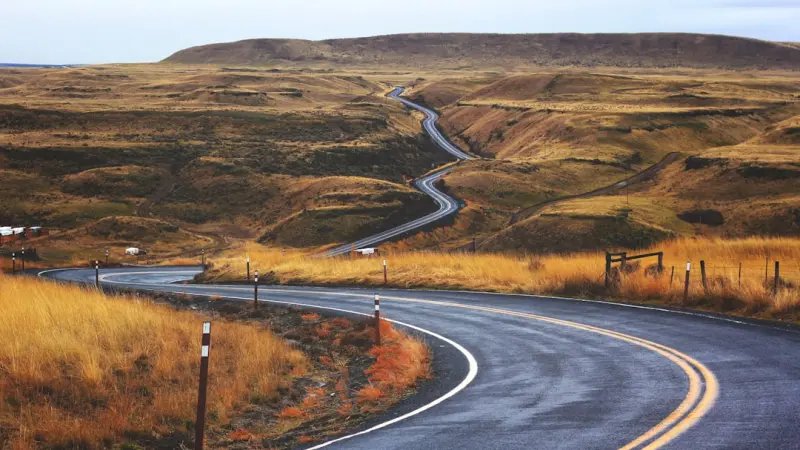
Why I Treat Every Journey Like a Field Experiment
Ever since I packed my first backpack for a solo trek across the Andes, I’ve carried a notebook that looks more like a scientist’s lab log than a travel journal. I record temperature shifts, the way the local market’s aroma changes from sunrise to dusk, and even the tiny micro‑ecosystems that sprout in the cracks of an old stone bridge. To me, travel isn’t just about ticking destinations off a list; it’s about turning each mile into a living laboratory where curiosity, creativity, and sustainability collide.
The “Living Lab” Mindset: Turning Curiosity into Action
Most travel guides will hand you a list of “must‑see” spots, but I ask a different question before I step foot on a new street: What can I learn here that I can bring back home? This mindset reframes the ordinary into the extraordinary. A bustling night market becomes a case study in supply‑chain improvisation, a remote village’s rain‑catching system offers a blueprint for water conservation, and a bustling co‑working space in Bali doubles as a social experiment on cross‑cultural collaboration.
Adopting this lens doesn’t require a PhD in anthropology. It only demands a willingness to observe, ask, and document. I’ve found that the most rewarding moments happen when I let the environment teach me, rather than the other way around.
Designing Your Own Travel Experiments
Before you board a plane, train, or bus, sketch out a simple hypothesis. For example:
- Hypothesis: Staying in a locally‑owned guesthouse reduces my carbon footprint compared to a chain hotel.
- Method: Track energy usage (via receipts, visible meters, or host disclosures) and compare it to the average consumption of a typical hotel in the area.
- Result: Record your findings, reflect on comfort trade‑offs, and consider how you might apply the insights to your own home.
These mini‑studies can be as informal as a conversation with a street vendor about waste reduction or as structured as measuring the pH of river water at multiple points during a canoe trip. The key is to keep them manageable—no need for a full‑scale research grant.
Learning from the Locals: A Two‑Way Knowledge Exchange
When I arrived in the highlands of Ethiopia, I was invited to join a community of women weaving traditional baskets. Instead of merely watching, I asked if I could help. Together, we experimented with different natural dyes sourced from nearby plants, noting which hues held up best after a week of rain. The women were thrilled to see a new angle on a centuries‑old craft, and I walked away with a deeper appreciation for sustainable dyeing techniques.
These exchanges turn you from a passive observer into an active participant. They also honor the principle that knowledge flows both ways—something that resonates with the collaborative spirit behind Hybrid Work Retreats, where teams learn from the environments they inhabit.
Eco‑Metrics on the Move: Tracking Your Impact Without the Hassle
Most travelers feel overwhelmed by the idea of measuring their ecological footprint. The good news? You can adopt a Zero‑Click approach to data collection—just as the concept of Zero‑Click SEO removes friction for users, you can streamline your impact tracking.
Here’s a quick framework:
- Transport: Use a simple spreadsheet or note app to log miles, fuel type, and mode of transport.
- Accommodation: Record the energy rating (if displayed), number of nights, and any green certifications.
- Food: Note the proportion of plant‑based meals versus meat, and whether you dined at locally‑sourced establishments.
- Waste: Count the number of reusable containers you used versus single‑use items you discarded.
At the end of the trip, you’ll have a concise data set that tells you exactly where you excelled and where there’s room for improvement. No complex calculators, no endless research—just the basics you need to make smarter choices on future journeys.
Micro‑Adventures: Bringing the Lab Home
If international travel isn’t feasible right now, you can still engage in the living‑lab mindset through micro‑adventures in your own city. A weekend bike tour of hidden alleyways can reveal how urban heat islands form, while a day spent in a community garden can teach you about soil regeneration. These bite‑sized experiments are perfect for busy professionals who crave discovery without the logistical overhead of long‑haul trips.
Take the recent surge of “pop‑up” street art installations. By documenting the materials used and the community’s reaction, you can gauge the effectiveness of public art as a catalyst for social dialogue—another mini‑study that feeds back into larger conversations about urban design.
Turning Travel Stories into Actionable Content
One of the most rewarding parts of my approach is sharing the findings. Whether it’s a blog post, a short video, or a presentation at a local meetup, turning raw observations into digestible insights amplifies the impact of your journey. It also creates a repository of knowledge for fellow travelers who might be looking to replicate or expand upon your experiments.
When I recently returned from a coastal town in Portugal, I compiled a guide on low‑impact surf tourism. It combined data on wave energy, local conservation efforts, and tips for renting eco‑friendly boards. The guide sparked a conversation among a network of surf schools, leading several of them to adopt a “green surf” certification. Small, but it illustrates how travel can ripple outward when you treat your experiences as research worth sharing.
Balancing Comfort and Curiosity
Let’s be honest—there’s a tension between the desire for comfort and the drive to experiment. Luxury resorts offer plush beds and endless amenities, but they rarely provide the raw, unfiltered context needed for a genuine field study. On the other hand, backpacker hostels may lack certain comforts but open doors to local networks and unscripted learning opportunities.
The trick is to blend the two. Choose a base that meets your baseline needs for rest, then allocate “experiment days” where you step out of that comfort zone. For instance, spend evenings in a comfortable hotel, but dedicate mornings to community‑led workshops, local farms, or citizen‑science projects. This hybrid approach mirrors the balance many businesses strive for between efficiency and innovation.
Practical Tips for the Aspiring Travel Lab‑Tech
- Pack Light, Pack Smart: Include a reusable water bottle, a compact notebook, and a set of colored pens for quick visual annotations.
- Leverage Mobile Apps: Use simple tools like Google Keep for note‑taking, or a dedicated carbon‑calculator app that works offline.
- Engage with Local NGOs: Many regions have community groups focused on environmental monitoring—partner with them for authentic data collection.
- Stay Flexible: Your hypothesis may evolve once you’re on the ground. Embrace the fluidity; it’s a sign of genuine discovery.
- Document Visually: Photographs, sketches, and even short voice memos capture nuances that words sometimes miss.
From Lab to Lifestyle: Carrying the Lessons Home
When the trip ends, the real work begins—integrating what you’ve learned into your daily routine. If you discovered a low‑tech water filtration method in a rural village, consider how a scaled‑down version could improve water usage at your office. If a community’s waste‑to‑compost system impressed you, pilot a similar initiative in your building’s shared spaces.
In my own life, the habit of “daily observation” has become a cornerstone. Each morning, before checking emails, I spend five minutes noting one subtle change in my environment—whether it’s the way light filters through my kitchen window or the scent of fresh coffee in the office kitchen. This practice, rooted in my travel experiments, keeps my mind attuned to opportunities for incremental improvement.
Conclusion: Travel as a Continuous Experiment
Travel is more than a pause from the routine; it’s a perpetual invitation to question, test, and grow. By treating each journey as a living laboratory, you transform ordinary moments into powerful data points that can influence personal habits, community practices, and even broader industry standards. So next time you zip up your suitcase, remember to pack a hypothesis alongside your passport. The world is waiting to teach you—if you’re ready to listen, observe, and act.

Karen Edwards is a seasoned freelance writer with a passion for all things furry, feathered, and scaled. With a dedicated focus on pets, she brings a wealth of knowledge and a keen eye for detail to her writing.
Related Posts
Beyond the Desk: How Traveling Can Supercharge Your Creative Engine
Travel isn’t just a break—it’s a catalyst for innovation. Learn how to design trips as persona... Read More
Your Travel Playlist: Curating Adventures Like a Living Mixtape
Travel isn’t just a checklist; it’s a living mixtape of sights, sounds, flavors, and spontaneous... Read More
AI‑Powered Travel: How Smart Assistants Are Turning Trips Into Living Conversations
AI is reshaping travel from static itineraries to dynamic, conversation‑driven journeys, offering ... Read More
Top Posts
When Search Gets Chatty: SEO Strategies for AI‑Driven Conversational Interfaces
This post reveals a step‑by‑step playbook for optimizing SaaS content for AI‑driven conversational search, covering keyword research, schema markup, techn...Read More
Navigating Google’s AI‑Driven Search: A Playbook for B2B SaaS Marketers
A deep dive into Google’s Search Generative Experience, showing B2B SaaS marketers how to adapt keyword research, content creation, and analytics while levera...Read More

Edge AI: How Decentralized Intelligence Is Redefining B2B SaaS
Edge AI brings AI processing to the device, slashing latency, cutting bandwidth costs, and boosting data privacy. This article explores its architecture, realâ€...Read More
Data‑Driven Storytelling: Turning Customer Success into Digital Marketing Gold
Discover a step‑by‑step guide to turning real customer metrics into persuasive narratives that boost conversions, build trust, and future‑proof your digit...Read More
0 Comments
Post Comment
You will need to Login or Register to comment on this post!