
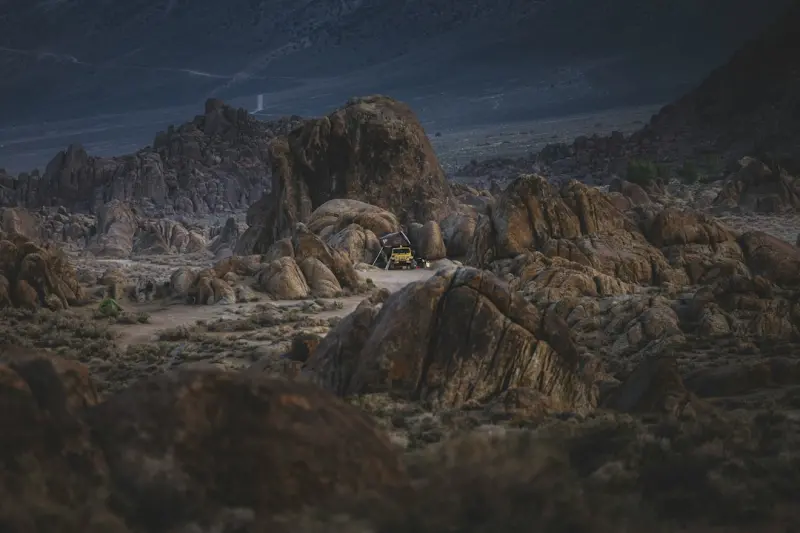
Why Micro‑Adventures Are the Future of Travel
When I was stuck in a hotel room staring at a cracked‑white ceiling after a 14‑hour flight, I realized that the grand, epic vacations I’d always chased were more about status than experience. The exhaustion, the planning fatigue, the looming budget anxiety – they all whispered a simple truth: the biggest adventures don’t have to be the longest. That epiphany birthed my obsession with micro‑adventures, a travel philosophy that fits into a weekend, a long weekend, or even a single day.
The Anatomy of a Micro‑Adventure
Think of a micro‑adventure as a compact, intentional escape that satisfies three core criteria:
- Time‑boxed. It fits within a clear start‑and‑end window – a Saturday sunrise to Sunday night, a Thursday evening to Friday morning, or even a 4‑hour hike after work.
- Geographically modest. You don’t need to hop continents; a nearby hill, a hidden river, or an abandoned railway line can become the stage.
- Purpose‑driven. Whether it’s testing a new skill, soaking up local culture, or simply resetting your mental battery, the goal is explicit and personal.
This framework makes micro‑adventures inherently scalable. If a weekend feels too long, shrink it to a day trip. If a day feels too short, extend it to a two‑day camping stint. The key is that each experience is designed, not accidental.
From “I Need a Break” to “I Need a Micro‑Adventure”
Traditional travel marketing sells you on exotic destinations, all‑inclusive resorts, and the notion that more miles equals more fulfillment. But the modern traveler – especially the remote worker, the creative freelancer, or the burnout‑prone executive – craves flexibility more than distance.
Micro‑adventures answer that craving by turning the everyday into the extraordinary. A bike ride to a nearby vineyard, a kayak paddle on a hidden lake, or a night under the stars in a backyard‑turned‑campground all become opportunities for storytelling, personal growth, and even professional inspiration.
Technology Meets Tiny Trips
While micro‑adventures are low‑tech by nature, the right digital tools amplify the experience. I rely on a blend of real‑time weather apps, offline map downloads, and community‑sourced recommendation boards to scout spots that aren’t on the mainstream radar. The paradox is that the more data we have, the more we can stay off the beaten path.
Speaking of data, if you’re curious about how a data‑centric mindset is reshaping travel at a macro level, check out our piece on travel data trends. It’s a fascinating contrast: while large‑scale analytics drive industry shifts, micro‑adventures thrive on personal, hyper‑local insight.
Soundscapes: Turning Audio Into a Travel Companion
One surprising element that elevates a short trek is the soundscape. In my recent weekend hike through the red‑rock canyons outside my city, I layered a custom playlist designed to echo the terrain – low drones for the ascent, crisp percussive beats for the descent. The result? A sonic map that made the environment feel larger than it was.
If you’re skeptical about the power of sound, read our deep dive on how audio can transform experiences. While the article focuses on branding, the principles translate directly to travel: the right tones can heighten immersion, signal transitions, and even calm nerves when you’re navigating unfamiliar terrain.
Health Benefits You Didn’t Expect
Micro‑adventures aren’t just good for your Instagram feed; they’re a potent wellness tool. A 90‑minute forest walk can lower cortisol levels more effectively than a spa day, thanks to the combination of fresh air, rhythmic movement, and natural light. The practice aligns closely with concepts like “forest bathing,” a technique I explored in our forest bathing guide. The takeaway? Even brief immersion in nature triggers a cascade of physiological benefits: improved immune response, sharper focus, and a heightened sense of calm.
Micro‑Adventure Planning Checklist
To help you start, I’ve distilled my own workflow into a five‑step checklist. Print it, pin it to your fridge, or save it as a note on your phone.
- Define the Goal. Is it skill‑building (e.g., learning to read a compass), cultural immersion (e.g., trying a regional dish), or pure relaxation?
- Set the Time Frame. Mark the start and end on your calendar. Treat it like a meeting – no overruns.
- Scout the Locale. Use a mix of satellite maps and local forums. Look for “hidden gems” like community gardens, pop‑up art installations, or lesser‑known trails.
- Pack Light, Pack Smart. A daypack, hydration, a multi‑tool, and a portable charger usually suffice. Add a journal or sketchbook for reflection.
- Prep for Contingencies. Check the weather, have a backup route, and inform a friend of your plans.
Case Study: A Weekend in the Urban Wilderness
Last spring, I turned my city’s underutilized riverfront park into a 48‑hour micro‑adventure. Here’s the timeline:
- Friday Evening – “The Arrival.” I arrived by bike, set up a pop‑up tent under a canopy of trees, and lit a solar lantern. The park’s night‑time soundscape – distant traffic, rustling leaves, occasional chatter – became my lullaby.
- Saturday Morning – “The Exploration.” I followed a little‑known trail that leads to an abandoned railway bridge. The bridge offered a panoramic view of the skyline, a reminder that urban environments can feel as awe‑inspiring as mountains.
- Saturday Afternoon – “The Skill‑Swap.” I met a local photographer who offered a quick crash course on low‑light shooting. In return, I taught him how to make a simple portable espresso using a hand‑press.
- Saturday Evening – “The Feast.” I cooked a one‑pot stew over a portable stove, using ingredients sourced from a nearby farmer’s market. The aroma attracted a few fellow park‑goers, sparking an impromptu communal dinner.
- Sunday Sunrise – “The Reflection.” I meditated on a hill overlooking the river as the sun rose, noting the colors in my journal. The experience left me feeling refreshed, creatively charged, and surprisingly productive for the week ahead.
This micro‑adventure ticked every box: short, local, purpose‑driven, and deeply rewarding. The best part? I didn’t need a flight, a visa, or a massive budget.
Micro‑Adventures for Remote Teams
Companies are catching on. Instead of the traditional annual retreat, some forward‑thinking firms are sponsoring quarterly micro‑adventures for their distributed teams. The benefits are tangible:
- Team Bonding. Shared challenges (like navigating a new trail) foster trust and communication.
- Creative Spark. Changing scenery can break mental ruts and inspire fresh ideas for product development.
- Well‑Being Boost. Physical activity combined with nature exposure reduces burnout, a key metric for remote employee health.
Implementing this is easier than you think. Provide a modest stipend, a simple itinerary template, and encourage participants to document their experience with photos or short videos. The result is a library of authentic, user‑generated content that can double as marketing material.
Eco‑Conscious Micro‑Travel
Because micro‑adventures keep you close to home, they inherently reduce carbon footprints – fewer flights, less long‑distance driving. However, you can still amplify sustainability by:
- Choosing public transport or bike routes to the start point.
- Practicing “Leave No Trace” principles – pack out everything you bring in.
- Supporting local businesses for food, gear, and guides.
- Offsetting any unavoidable emissions through reputable carbon‑offset programs.
In the age of climate awareness, the micro‑adventure model aligns perfectly with the desire to explore responsibly without sacrificing the thrill of discovery.
Monetizing the Mini‑Escape
If you’re a creator, there’s a modest revenue stream hiding in these short trips. Here’s how I turned my own micro‑adventures into a side income:
- Affiliate Partnerships. I link to the gear I use (lightweight tents, portable chargers) through affiliate programs, earning a small commission on each sale.
- Sponsored Content. Local tourism boards love authentic, hyper‑local stories. I pitch them a “Weekend in Your Town” series, which they fund.
- Digital Products. I compiled a Micro‑Adventure Playbook – a PDF guide with routes, packing lists, and budget templates – and sell it on my website.
The key is authenticity. Audiences can sniff out inauthentic promotion, but when the recommendation feels genuine, the conversion rates are surprisingly high.
Future Trends: The Rise of “Micro‑Adventure Platforms”
Emerging tech startups are building platforms that match travelers with micro‑adventure opportunities based on location, skill level, and personal interests. Think of it as a Tinder for day trips. These platforms aggregate community‑generated itineraries, real‑time weather data, and even dynamic pricing for equipment rentals.
While the concept is still in its infancy, I anticipate three developments:
- AI‑Curated Itineraries. Machine learning will suggest routes that align with your past preferences and real‑time conditions.
- Social‑Layered Exploration. Users can join spontaneous group hikes or pop‑up events, fostering a sense of community.
- Integrated Wellness Metrics. Wearables will feed data (heart rate, stress levels) into the platform, adjusting the difficulty of suggested activities on the fly.
Keep an eye on this space – it could become the go‑to hub for anyone wanting to inject adventure into a busy calendar.
Final Thoughts: Tiny Trips, Massive Impact
Micro‑adventures democratize travel. They break down the myth that you need a lot of time, money, or distance to experience awe. By focusing on intention, locality, and brevity, you reclaim agency over your own narrative. You become the storyteller, the explorer, and the creator of moments that linger long after the sunset.
So the next time you feel the itch to escape, don’t scroll through endless flight deals. Pull up a map, set a timer for two days, and ask yourself: What small adventure can I craft right now? The world is waiting, and it’s closer than you think.

David Moore is a freelance writer specializing in two dynamic and ever-evolving fields: gambling and the tech industry. With a keen eye for detail and a knack for unraveling complex topics, David delivers insightful and engaging content that keeps readers informed and entertained.
Related Posts

Finding Balance on the Road: A Digital Nomad’s Guide to Wellness
A practical guide for digital nomads seeking to harmonize work, travel, and wellbeing through mindfu... Read More
The One‑Bag Challenge: Mastering Minimalist Travel Across Continents
Learn to travel with just one bag, mastering minimalist packing, tech lightness, and immersive exper... Read More
When the Road Becomes a Canvas: Turning Everyday Journeys into Creative Masterpieces
Discover a fresh approach to travel that treats each trip as a creative laboratory. Learn practical ... Read More
Top Posts

Quiet Health Upgrades for Remote Professionals: Breath, Light, and Kitchen Hacks
Learn three subtle yet powerful health upgrades—breathwork resets, natural lighting tricks, and a stress‑free kitchen setup—that remote workers can adopt ...Read More

Surfing the Google AI Tide: Rose DesRochers’ Real‑World Playbook
Rose DesRochers shares her front‑row experience with Google Gemini, offering actionable SEO tactics, ethical guidelines, and a roadmap to future‑proof your ...Read More
Unleashing Gemini: Google’s Generative AI as the Secret Weapon for SaaS Knowledge Hubs
A deep dive into Google’s Gemini platform reveals how SaaS teams can embed a conversational AI overlay on existing knowledge sources, personalize with zero‑...Read More

Surfing Google’s 2026 AI Wave: Insider Tactics from a Seasoned Marketer
Rose DesRochers reveals how to master Google’s 2026 AI, from intent mapping to AI‑driven personas, delivering actionable tactics that elevate SEO and paid m...Read More
0 Comments
Post Comment
You will need to Login or Register to comment on this post!