
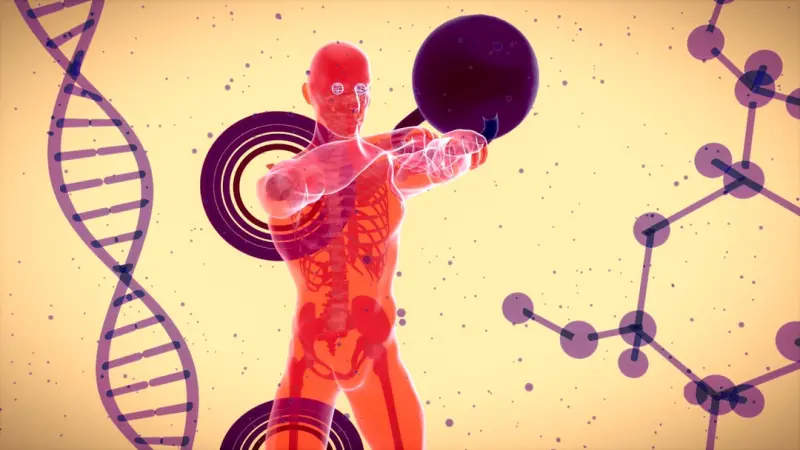
Why Micro‑Movements Are the Unsung Heroes of Health
In a world obsessed with marathon workouts and hour‑long yoga sessions, the tiny, often‑ignored motions we make throughout the day hold a surprisingly powerful key to vitality. Micro‑movements—brief, purposeful actions like a ten‑second calf raise, a quick desk stretch, or a deliberate posture reset—accumulate metabolic benefits that rival traditional exercise, especially for those whose schedules barely allow a full workout. Recent studies reveal that even five minutes of intermittent activity can elevate heart rate, improve insulin sensitivity, and trigger the release of endorphins, creating a cascade of health improvements without the intimidation of a gym. By reframing movement as a series of bite‑size habits rather than a monolithic task, we unlock a sustainable pathway to energy, resilience, and long‑term wellbeing.
The Science of Metabolic Micro‑Spikes
When you stand up, do a set of squats, or simply march in place for thirty seconds, your muscles demand oxygen and glucose, prompting a short but potent metabolic spike that burns calories and stimulates mitochondrial activity. This “micro‑spike” effect, documented in peer‑reviewed journals, shows that repeated bursts of activity can keep the basal metabolic rate elevated for up to an hour after the movement, effectively turning idle moments into calorie‑burning opportunities. Moreover, these spikes improve blood flow, delivering nutrients and oxygen to brain tissue, which sharpens cognition and reduces the fog that often follows prolonged sitting. By strategically placing micro‑movements throughout the day, you create a rhythmic pattern of metabolic activation that supports weight management, cardiovascular health, and mental clarity—all without the fatigue associated with longer workouts.
Everyday Micro‑Movements You Can Start Now
Integrating micro‑movements into daily life doesn’t require fancy equipment; it merely calls for intention and a few minutes of awareness. Consider the following simple actions, each of which can be performed in less than a minute:
- Toe‑to‑heel rocking while seated to engage the calf and shin muscles.
- Desk‑side shoulder rolls to release tension and improve upper‑back mobility.
- Standing hip hinges to activate the glutes and protect the lower back.
- Neck extensions and side bends to counteract forward‑head posture from screens.
Each movement, when repeated several times a hour, forms a cumulative stimulus that strengthens muscles, enhances joint lubrication, and encourages better posture. The key is consistency: set a timer, pair the action with a regular cue—like answering a phone call or waiting for a coffee brew—and let the habit cement itself into the rhythm of your day.
Embedding Micro‑Movements Into the Workday
The modern office is a hotspot for sedentary behavior, but it also offers countless triggers for micro‑movement integration. Position your monitor at eye level to encourage a natural neck stretch each time you look up, and use the act of standing up to fetch a file as a cue for a quick set of calf raises. Schedule “movement minutes” at the top of each hour, using the pause between meetings to perform three to five squats or a brief wall slide, which also reinforces shoulder stability. Even the simple act of walking to the water cooler becomes an opportunity for a brisk 30‑second march, elevating heart rate and breaking up prolonged sitting. By weaving these micro‑bursts into existing workflows, you transform routine tasks into health‑boosting intervals, turning the office from a sedentary trap into a dynamic wellness arena.
Designing an Environment That Encourages Tiny Motion
Our surroundings dramatically influence how often we move, and subtle tweaks can nudge the body toward frequent micro‑activity. Ambient lighting that mimics natural daylight not only regulates circadian rhythms but also prompts subconscious stretching as the eyes adjust to changing brightness. Pair this with the gentle background sounds suggested in Simple Light and Sound Hacks, and you create a sensory backdrop that reduces stress while reminding you to shift posture. Place a small yoga block or balance pad near your workstation as a visual cue to stand and balance for a few seconds whenever you need a mental break. By curating a space that subtly encourages movement—through light, sound, and tactile prompts—you foster an environment where micro‑movements become an automatic, almost reflexive part of daily life.
Mental Health Gains From Tiny Physical Nudges
Beyond the physiological advantages, micro‑movements serve as powerful allies for mental health, offering quick, accessible tools to combat stress and anxiety. Each intentional stretch or posture reset triggers the release of neurotransmitters like serotonin and dopamine, which lift mood and improve focus. When you pause to perform a brief breathing exercise combined with a neck roll, you engage the parasympathetic nervous system, reducing cortisol levels and creating a sense of calm that lasts far beyond the movement itself. Over time, these regular micro‑breaks condition the brain to associate movement with relief, building a resilient mental framework that can better handle the pressures of modern life without needing lengthy meditation sessions.
Leveraging Smart Assistants for Seamless Reminders
Technology, when used mindfully, can amplify the effectiveness of micro‑movement routines by delivering timely nudges that fit naturally into your schedule. AI‑driven personal assistants, as described in AI Whisperer, can learn your work patterns and suggest optimal moments for a quick stretch, a posture check, or a five‑second march. By programming these assistants to speak in a calm, encouraging tone, you remove the mental friction of remembering to move, turning the reminder into a supportive companion rather than an intrusive alarm. This synergy between human intention and adaptive technology ensures that micro‑movements become a non‑negotiable part of your day, seamlessly woven into both personal and professional tasks.
Tracking Progress and Turning Micro‑Movements Into Habit
While micro‑movements are intentionally brief, tracking them can provide valuable feedback and reinforce habit formation. Simple tools like a spreadsheet, habit‑tracking app, or even a handwritten log allow you to record the frequency and type of each movement, turning invisible actions into visible achievements. Celebrate milestones—such as completing 50 micro‑movements in a week—with small rewards, which strengthens the dopamine loop that drives habit retention. Additionally, reviewing your data reveals patterns, helping you identify peak fatigue times when a quick stretch could be most restorative. By treating micro‑movement practice with the same intentionality you would a larger fitness goal, you create a sustainable loop of motivation, progress, and health benefits that continues to grow over time.
Start Small, Scale Big: Your Personal Micro‑Movement Blueprint
To begin, choose three micro‑movements that feel natural and align with your daily routine, set a timer for every hour, and commit to performing each action for 30 seconds. Observe how your energy levels shift, note any reduction in neck or back tension, and adjust the repertoire as needed—perhaps adding a brief walk after lunch or a calf raise before a conference call. Within a few weeks, you’ll likely notice enhanced stamina, clearer focus, and a subtle yet profound sense of wellbeing that traditional workouts alone may not have provided. Embrace the philosophy that health is built not just in grand gestures, but in the accumulation of countless tiny, purposeful motions, and let each micro‑movement be a step toward a more vibrant, resilient you.

Shawn DesRochers is a certified Microsoft technician and Programmer with 30+ year's experience. He has written many reviews on computer related products, software, and SEO related topics. When he's not writing reviews he can be found at one of the Oldest Directories Online Business Directory USA which he is the CEO of.
Related Posts

Unlocking Mood and Immunity: How Fermented Foods Rewire Your Brain
Explore the powerful link between fermented foods, gut microbiome, and mental health, and learn simp... Read More

Beyond the Clock: Biofeedback Wearables Redefine Stress Management for Modern Professionals
A deep dive into how wearable biofeedback devices, paired with micro‑training and a mindful home e... Read More
Rewire Your Home Office for Brain Power and Resilience
Learn practical, science‑backed strategies to transform your home office into a mental resilience ... Read More
Top Posts

AI as a Compass for Ethical Business Decisions
Discover how integrating ethical AI into business strategy can boost trust, protect privacy, and drive sustainable growth, turning responsible tech into a compe...Read More
Carbon‑Smart Campaigns: Greening B2B Digital Marketing
Marketers can now combine ROI and sustainability by auditing digital footprints, choosing low‑impact formats, leveraging AI, and reporting carbon impact, turn...Read More

Why Google’s Privacy Sandbox Is a Game‑Changer for B2B SaaS Marketers
The Google Privacy Sandbox isn’t a roadblock—it’s a catalyst for smarter, consent‑driven SaaS marketing. Learn how to leverage cohort targeting, context...Read More
From Keywords to Intent Clusters: A B2B SaaS SEO Playbook
Learn to shift from outdated keyword lists to intent‑driven authority hubs, leverage structured data, and prepare for AI‑generated SERPs to boost organic tr...Read More
0 Comments
Post Comment
You will need to Login or Register to comment on this post!