

Why Community Signals Are the Next Ranking Frontier
For years the SEO playbook has glorified backlinks as the ultimate proof of authority. Yet search engines are getting smarter, and they’re beginning to look beyond the link graph to gauge real‑world relevance. Community signals—the organic conversations, recommendations, and user‑generated content that happen in niche forums, Discord servers, and even private Slack groups—are emerging as a potent ranking factor. When a brand consistently shows up in the right conversations, it signals trust, expertise, and a genuine connection to a specific audience. Search algorithms, which now understand context and intent at a granular level, reward those implicit endorsements just as heavily as a high‑quality backlink. This shift means that marketers who invest in authentic community participation can enjoy a competitive edge that traditional link‑building strategies simply can’t match.
Understanding the Value of Authentic Engagement
The core of community‑driven SEO lies in the depth of engagement, not merely the volume of mentions. When users spend time discussing a product, answering questions, or sharing personal experiences, they create a web of semantic relevance that search engines can interpret as expertise. Unlike a generic guest post, a thoughtful reply on a specialized forum carries the weight of peer validation. Moreover, these interactions often lead to higher dwell time and lower bounce rates—signals that search bots treat as indicators of content quality. By fostering genuine dialogue, you’re not only building brand loyalty but also feeding search engines the nuanced data they crave. This is why semantic SEO tactics now intersect with community participation, amplifying the impact of both approaches.
Finding the Right Communities for Your Niche
Not every forum or chat group will deliver SEO value; relevance is the gatekeeper. Start by mapping out where your target audience hangs out—think industry‑specific subreddits, niche Facebook groups, Discord channels dedicated to hobbyists, or even emerging platforms like Clubhouse rooms focused on your sector. Use tools like Reddit’s advanced search, Discord’s server discovery, or keyword‑based social listening to pinpoint active conversations. The goal is to locate spaces where users ask genuine questions, share resources, and debate solutions. Once identified, observe the community’s tone, posting frequency, and moderation style before jumping in. This reconnaissance phase ensures that your contributions feel natural rather than promotional, preserving the trust you aim to build.
Contributing Value Without Sounding Salesy
The secret to turning community presence into SEO juice is to prioritize value over visibility. Offer detailed answers, share original research, or provide free tools that solve a pain point—think of it as an extended “helpful comment” that lives beyond a single post. Over time, your name or brand becomes synonymous with expertise, prompting members to link back to your content organically when it offers deeper insight. When you’re ready to showcase a resource, do so in a way that feels like a natural extension of the conversation, not a hard sell. For those looking to blend this strategy with technical enhancements, integrating progressive web apps can improve load speeds and user experience, reinforcing the credibility you’ve earned in the community.
Quantifying Community Impact on Rankings
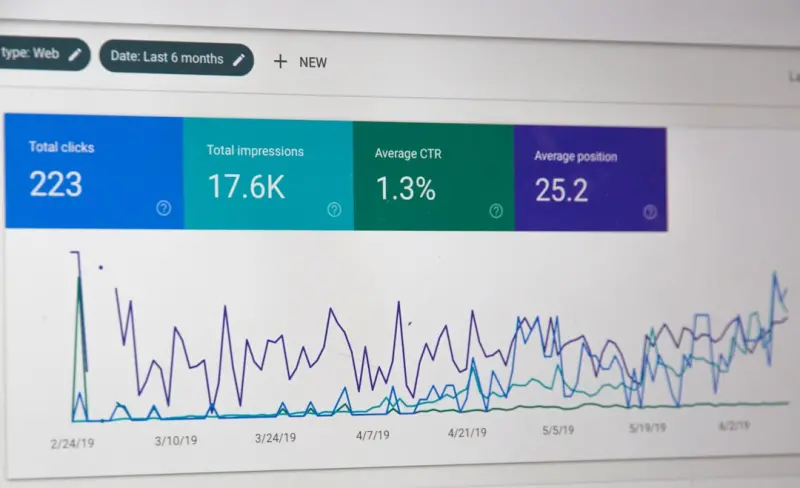
Measuring the SEO return from community engagement requires a blend of qualitative and quantitative metrics. Track referral traffic from forum URLs, monitor spikes in branded search volume after high‑visibility discussions, and assess changes in dwell time for pages linked within community threads. Tools like Google Search Console can reveal impression lifts for branded queries, while social listening platforms flag sentiment trends that correlate with ranking moves. Additionally, keep an eye on brand mention frequency in SERP snippets—a rising number of “People also ask” entries often stems from community‑generated Q&A content that search engines lift. By systematically capturing these data points, you can demonstrate how authentic community participation translates into measurable search performance.
Embedding Community Signals Into Your SEO Workflow
To make community‑driven SEO scalable, embed it into your existing content calendar and reporting cadence. Assign team members to monitor specific forums weekly, flagging emerging questions that align with upcoming blog topics. Convert high‑engagement threads into cornerstone content, preserving the original conversation context while expanding on the subject matter for broader audiences. Use spreadsheet trackers to log community mentions, the type of engagement (answer, link, citation), and any resulting traffic or ranking shifts. This structured approach ensures that community insights are not lost in the noise and become a repeatable source of fresh, authority‑building content that feeds both users and search engines.
Real‑World Illustration: From Forum to First Page
Consider a SaaS company that provides project‑management tools for indie game developers. The team identified a vibrant Discord server where developers discuss workflow challenges. By consistently offering actionable advice—such as templates for sprint planning—and sharing a free downloadable roadmap, the brand earned a reputation as a go‑to resource. Within three months, members began linking to the company’s blog posts in their own project documentation, creating natural inbound links. Simultaneously, the company saw a 40 % increase in organic traffic for long‑tail keywords like “best sprint template for indie games,” and their blog post climbed to the first page of Google. This case underscores how strategic community involvement can generate both direct traffic and authoritative backlinks without traditional outreach tactics.
Actionable Checklist for Community‑Centric SEO
- Map out at least five niche communities where your audience actively participates.
- Allocate weekly time for genuine engagement—answer questions, share resources, avoid self‑promotion.
- Document recurring topics and convert them into blog posts or guidebooks.
- Track referral traffic, branded search spikes, and any new backlinks from community URLs.
- Integrate community insights into your editorial calendar to ensure relevance.
- Periodically review engagement metrics and adjust your community focus based on ROI.
By treating community participation as an SEO pillar rather than a side project, you’ll unlock a sustainable source of authority that evolves with your audience’s needs. The payoff is a brand that not only ranks higher but also enjoys deeper trust and loyalty—two assets no algorithm can ever replace.

Paul Flynn is a versatile freelance writer equipped with a diverse skillset and a portfolio that reflects his wide-ranging interests and expertise. From crafting compelling website copy and engaging blog posts to delivering in-depth articles and meticulously researched reports, Flynn demonstrates a remarkable ability to adapt his writing style to suit various audiences and purposes.
Related Posts

Community‑Driven Link Building: Harnessing Real‑World Networks for SEO Success
Learn why real‑world community connections outperform automated outreach, and get a step‑by‑st... Read More

Intent‑First SEO: Future‑Proofing SaaS Content
This post outlines a fresh, intent‑first SEO framework for SaaS companies, covering intent mapping... Read More
How Voice Search Is Redefining SaaS SEO Strategies
Voice assistants are now primary discovery tools for B2B professionals. This post explains how SaaS ... Read More
Top Posts

The Hidden Power of Nutrition Timing for Remote Professionals
Discover why when you eat matters as much as what you eat for remote workers. This guide reveals three timing strategies, tech integrations, and real‑world re...Read More

Micro‑Movements: The Hidden Health Boost You’re Overlooking
Unlock the power of micro‑movements—simple, frequent motions that boost metabolism, improve mood, and keep you healthy all day long....Read More

Beyond Checklists: Crafting a Living Travel Narrative
Learn to transform trips from static checklists into dynamic stories by choosing a narrative lens, syncing with your natural rhythm, and collaborating with loca...Read More

Synthetic Data: The Unsung Hero Powering Scalable SaaS AI
Synthetic data lets SaaS firms train powerful AI models without exposing real user information, delivering speed, compliance, and cost savings in one package....Read More
0 Comments
Post Comment
You will need to Login or Register to comment on this post!