
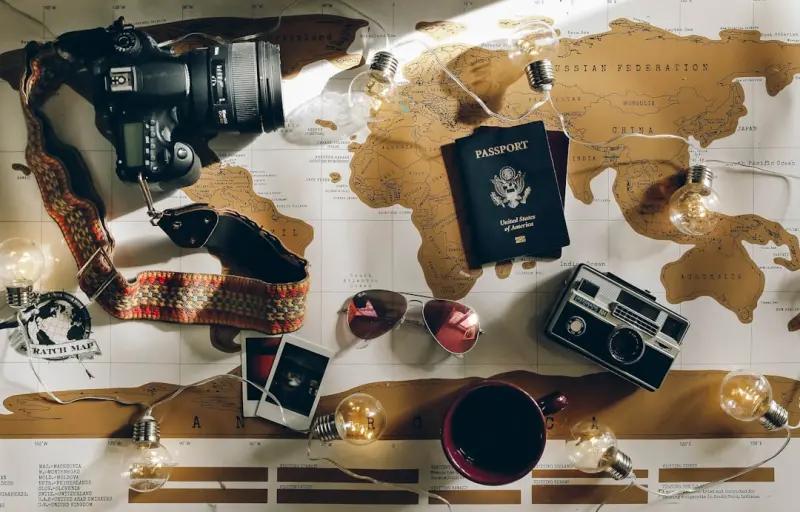
Why Let Your Body Be the GPS of Your Next Adventure?
When I booked my first solo trek across the Patagonian Andes, I didn’t just check the weather or the trail difficulty—I consulted my heart rate, sleep scores, and even my skin temperature. The result? A journey that felt less like a gamble and more like a finely tuned performance. In an era where every click leaves a data trail, why should our travel decisions be any different? Let’s explore how turning personal metrics into travel intelligence can reshape the way we wander.
The Rise of the “Bio‑Travel” Mindset
Traditional travel planning is built on static checklists: passports, visas, “must‑see” attractions. Bio‑travel flips the script. It asks: What does my body need right now? Are you a night‑owl who thrives on late‑night city lights, or a morning person who craves sunrise hikes? Do you recover quickly from altitude, or does your body protest after a few hundred meters? By answering these questions with real‑time data, you can align destinations, activities, and itineraries with your physiological profile.
Step 1: Capture Baseline Metrics
The foundation of any data‑driven approach is a solid baseline. Wearables have moved beyond step counters; they now monitor heart rate variability (HRV), sleep stages, skin conductance, and even oxygen saturation. If you haven’t already, start by wearing a reliable device for at least two weeks during your normal routine. Track:
- Resting Heart Rate (RHR) – Lower RHR often signals good cardiovascular health and recovery capacity.
- HRV – A higher variability suggests your nervous system is adaptable and less stressed.
- Sleep Quality – Deep‑sleep percentages tell you how well your body repairs itself each night.
- Body Temperature Trends – Subtle shifts can hint at how you’ll handle different climates.
Once you have a clear picture, you’ll be ready to match your data to destinations that complement, rather than challenge, your current state.
Step 2: Translate Data into Destination Criteria
Here’s a quick cheat‑sheet you can use when you start browsing flights and hotels:
| Metric | Ideal Travel Condition | Example Destinations |
|---|---|---|
| Low RHR & High HRV | High‑intensity activities (mountain biking, trail running) | Queenstown, New Zealand; Moab, Utah |
| Elevated RHR & Low HRV | Low‑stress, restorative settings (spas, gentle walks) | Kyoto, Japan; Sedona, Arizona |
| Fragmented Sleep | Quiet, sleep‑friendly accommodations, limited time‑zone jumps | Lake Como, Italy; Reykjavik, Iceland |
| Warm Skin Temp Trend | Cooler climates to balance heat | Scotland Highlands; Patagonia |
These pairings aren’t hard rules—just a starting point. The goal is to let your physiological signals guide you toward experiences that feel natural rather than forced.
Step 3: Use Wearable Biofeedback to Fine‑Tune On‑The‑Go
During the trip, your body’s needs can shift. That’s where wearable biofeedback becomes your personal travel concierge. Real‑time alerts can tell you when to:
- Take a break because your HRV is dropping.
- Hydrate more aggressively if skin conductance spikes in a humid environment.
- Adjust sleep schedules after crossing multiple time zones.
Imagine walking through the bustling streets of Marrakech, and a gentle buzz reminds you that your heart rate has crept up—time for a quick stop at a shaded courtyard for a glass of mint tea and a breath reset. The experience feels seamless, and you avoid the inevitable crash that comes from ignoring physiological cues.
Step 4: Leverage Cold Exposure for Performance Boosts
If you’re chasing altitude or endurance challenges, strategic cold exposure can be a game‑changer. Research shows that brief, controlled exposure to cold can improve circulation, sharpen focus, and even boost mitochondrial efficiency. In practice, this could mean a quick cold‑shower in a boutique hostel after a long hike, or a dip in an ice‑filled mountain lake before tackling a summit.
My own breakthrough moment came on a trek in the Swiss Alps. After a grueling ascent, I slipped into a natural alpine pool with icy water—less than five minutes. The shock reset my nervous system, lowered my perceived fatigue, and gave me the mental edge to continue without needing a full day of rest. For those who love a data‑driven edge, the cold exposure hacks article offers practical protocols you can test before you even board the plane.
Step 5: Curate “Micro‑Recovery” Moments
Travel often feels like a marathon of experiences, but your body thrives on micro‑recovery—short, intentional pauses that restore homeostasis. Here are three bio‑backed recovery tactics you can sprinkle throughout any itinerary:
- Breathing Reset Stations: Find a quiet spot (a park bench, a temple courtyard) and practice 4‑7‑8 breathing for two minutes. This simple pattern nudges parasympathetic activity, lowering heart rate.
- Temperature Modulation: Alternate between warm (a sauna, hot spring) and cool (a shaded garden, a cold shower) environments. The contrast improves vascular tone and reduces inflammation.
- Movement Breaks: Gentle stretching or a brief yoga flow after prolonged sitting (e.g., on a train) keeps muscles limber and maintains HRV.
When you integrate these moments, you’ll notice a smoother energy curve across your days, rather than the typical “high‑then‑crash” pattern many travelers experience.
Case Study: From Data to a Dreamy Desert Retreat
Last autumn, I used my bio‑metrics to design a week‑long escape to the Atacama Desert. Here’s how the numbers guided each decision:
- Baseline: Slightly elevated resting heart rate and moderate HRV, indicating a need for low‑stress environments.
- Sleep: My deep‑sleep ratio was high, so I prioritized accommodations with blackout curtains and white‑noise options.
- Temperature Trend: My skin temperature drifted upward during the day, suggesting cooler nights would feel restorative.
Result? I booked a boutique eco‑lodge with nightly stargazing sessions (minimal light pollution, perfect for deep sleep), scheduled gentle sunrise walks on the salt flats (cool mornings), and incorporated a nightly dip in a naturally cooled pool. The trip left me refreshed, with HRV climbing steadily each day—a clear sign that my body was thriving.
Tools & Apps to Turn Data Into Travel Insight
While many wearables provide raw data, you’ll need tools that translate those numbers into actionable travel advice:
- Health‑Dashboard Integrators: Apps like Gyroscope or Apple Health combine sleep, activity, and stress scores into a single score you can reference when choosing activities.
- Destination‑Fit Platforms: Emerging services let you input your HRV, altitude tolerance, and climate preferences to receive “bio‑compatible” destination suggestions.
- Cold‑Exposure Timers: Simple timer apps that guide you through 30‑second cold bursts followed by warm recovery phases.
Even if you start with a spreadsheet, the principle remains: collect, compare, and curate.
Balancing Data with Serendipity
One mistake new bio‑travelers make is over‑optimizing. Travel isn’t a lab experiment; it’s a story that thrives on the unexpected. Use data as a compass, not a cage. Allow room for spontaneous detours—maybe a local market you didn’t plan for, or a sudden invitation to a sunrise ceremony. Your baseline will still guide you toward experiences that feel right, but the magic of discovery stays intact.
Looking Ahead: The Future of Bio‑Travel
The next wave of travel tech promises even tighter integration between personal metrics and itinerary engines. Imagine booking a trip where the platform auto‑adjusts hotel room temperature, suggests meal times based on glucose trends, and flags days when your HRV signals you’re ready for a “hard‑core” adventure. As AI and wearables converge, the line between health optimization and travel planning will blur, creating itineraries that are as personalized as a tailor‑made suit.
Until that day arrives, you can start small—track, learn, and let your body’s whispers become the loudest voice in your travel decisions. Your next adventure could be the most harmonious one yet, with every step syncing to the rhythm of your own physiology.

Karen Edwards is a seasoned freelance writer with a passion for all things furry, feathered, and scaled. With a dedicated focus on pets, she brings a wealth of knowledge and a keen eye for detail to her writing.
Related Posts
How to Turn Every Trip into a Living Storybook
Learn to turn each journey into a living storybook using audio diaries, sensory scrapbooks, and know... Read More
Remote Team Retreats: Turning Business Travel Into a Productivity Power‑Up
Discover a step‑by‑step playbook for creating remote‑first team retreats that align travel wit... Read More
The Rise of Nomadic Hubs: Turning Vacation Spots into Year‑Round Work Sanctuaries
A deep dive into the emerging trend of nomadic hubs, where travelers transform holiday locales into ... Read More
Top Posts
Backpack Knowledge Vault: Turning Travel Into a Personal Think‑Tank
Discover a three‑step system—Capture, Curate, Activate—that transforms everyday travel experiences into a powerful personal knowledge base, boosting creat...Read More
AI as a Compass for Ethical Business Decisions
Discover how integrating ethical AI into business strategy can boost trust, protect privacy, and drive sustainable growth, turning responsible tech into a compe...Read More
Privacy‑First Digital Marketing: Thriving in a Cookieless World
In a world where browsers block third‑party cookies and users demand more privacy, SaaS marketers must pivot to first‑party data, contextual ads, and AI‑p...Read More

Riding Google’s 2024 AI Wave: Rose DesRochers’ Insider Playbook for Marketers
Rose DesRochers reveals how to thrive amid Google’s 2024 AI overhaul, offering actionable tactics, privacy tips, and a fresh content playbook for marketers....Read More
0 Comments
Post Comment
You will need to Login or Register to comment on this post!