
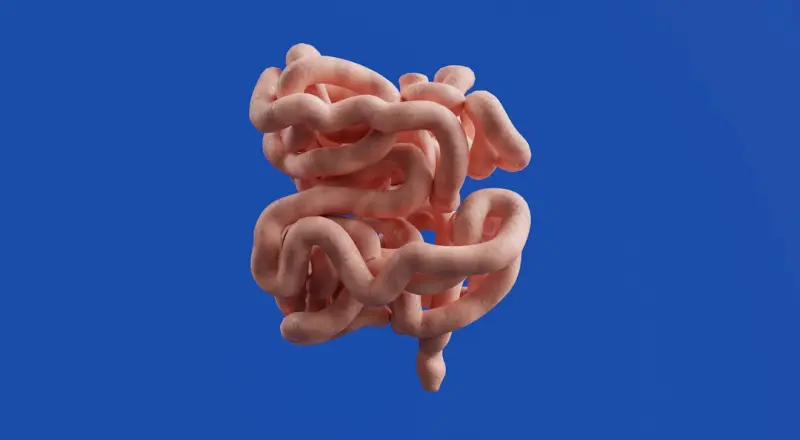
Gut Feelings: Leveraging Microbiome Science for Sustainable Health and Performance
When I first heard the term “microbiome,” I imagined a tiny sci‑fi planet bustling with microbes, each with its own agenda. Fast forward a few years, and I’ve learned that this invisible ecosystem is actually the backstage crew that determines how well our bodies, minds, and even our work performance function. In today’s hyper‑connected world, where we’re constantly bombarded with data, deadlines, and digital distractions, the gut has emerged as the quiet powerhouse that can tip the scales between thriving and merely surviving.
Why the Microbiome Matters More Than Ever
Research is finally catching up to what intuitive health practitioners have been preaching for decades: you are what you eat, and more importantly, you are what your gut bacteria eat. These trillions of microorganisms help digest food, synthesize vitamins, regulate hormones, and even produce neurotransmitters that influence mood and cognition. In other words, a balanced gut can be the difference between a clear, focused mind and a foggy, scattered one.
For professionals who juggle multiple time zones, remote collaborations, and constant virtual meetings, the stakes are high. A disrupted microbiome can manifest as digestive discomfort, chronic fatigue, or anxiety—symptoms that directly erode productivity. Conversely, nurturing a robust gut environment can boost energy, sharpen focus, and reinforce emotional resilience.
Three Pillars for Microbiome Optimization
While the science is still evolving, there are three evidence‑backed pillars that anyone can start implementing today:
- Diverse, Plant‑Rich Nutrition – Fiber is the primary fuel for beneficial bacteria. Aim for a rainbow of vegetables, fruits, legumes, and whole grains.
- Targeted Fermented Foods – Foods like kefir, kimchi, and sauerkraut introduce live cultures that can quickly diversify your gut flora.
- Mindful Lifestyle Practices – Stress, sleep, and movement all speak directly to the microbiome. Reducing chronic stress and prioritizing restorative sleep are non‑negotiables.
From Plate to Performance: Translating Gut Health Into Workplace Gains
Imagine walking into a virtual brainstorming session with a mind that feels as clear as a cloudless sky. That mental clarity often starts in the gut. Here’s how each pillar translates into tangible workplace advantages:
- Consistent Energy Levels – Stable blood sugar from high‑fiber meals prevents the mid‑afternoon crash that derails focus.
- Enhanced Mood Regulation – Around 90% of serotonin is produced in the gut. A balanced microbiome can help smooth out mood swings that otherwise lead to miscommunication.
- Improved Cognitive Flexibility – Short‑chain fatty acids (SCFAs) produced by gut bacteria have neuroprotective effects, supporting memory and problem‑solving.
Practical Steps for Busy Professionals
Implementing gut‑friendly habits doesn’t require a complete lifestyle overhaul. Below are bite‑size actions that fit into a packed schedule:
1. Start Your Day with a Microbiome‑Boosting Breakfast
Swap the usual coffee‑only routine for a bowl of oatmeal topped with berries, chia seeds, and a spoonful of kefir. This combination delivers soluble fiber, antioxidants, and live cultures—all in one bowl.
2. Incorporate a “Fermented Snack” Into Your Midday Routine
Instead of reaching for a sugary granola bar, try a small serving of kimchi or a probiotic‑rich yogurt. These snacks are low‑calorie, flavorful, and give your gut bacteria a quick boost.
3. Schedule “Digital Digestion” Breaks
Just as we schedule meetings, we should schedule short, tech‑free intervals to let our nervous system reset. Use this time for a quick walk, deep‑breathing exercise, or a few minutes of mindfulness meditation. Reducing stress hormones like cortisol creates a more hospitable environment for beneficial microbes.
4. Hydrate with Gut‑Friendly Beverages
Swap sodas and energy drinks for herbal teas, especially those containing ginger or peppermint, which can soothe the digestive tract. If you enjoy coffee, consider adding a dash of collagen or a probiotic powder to the brew.
5. Prioritize Sleep Hygiene
Research shows that irregular sleep patterns can alter gut composition. Aim for a consistent bedtime, dim the lights an hour before sleep, and keep electronic devices out of the bedroom. If you struggle with insomnia, try a magnesium‑rich snack (like a banana with a handful of almonds) before bed.
Technology Meets Microbiome: Smart Tools for the Modern Health Enthusiast
While I’m a staunch advocate of low‑tech solutions, there’s no denying that technology can amplify our efforts. wearable tech for stress management now includes sensors that track heart rate variability (HRV), a proxy for autonomic nervous system balance. By monitoring HRV, you can identify moments of heightened stress that may be sabotaging your gut health.
Similarly, many smart kitchen appliances now feature probiotic‑friendly settings. For instance, some yogurt makers let you control fermentation temperature with pinpoint precision, ensuring optimal bacterial growth. Even your phone can become a reminder system: set alerts to drink water, stand up, or take a probiotic supplement.
The Role of the Home Environment
Creating a supportive environment extends beyond what’s on your plate. Your living space can either reinforce or undermine your gut health goals. home wellness hub concepts often focus on air quality, natural lighting, and stress‑reducing décor. Incorporate a dedicated “gut‑friendly corner” where you keep your fermented foods, a small herb garden, and a comfortable spot for mindful eating.
Even the choice of cleaning products matters. Harsh chemicals can linger in the air and affect both respiratory and digestive health. Opt for plant‑based, fragrance‑free cleaners to maintain a microbiome‑friendly atmosphere.
When to Seek Professional Guidance
While most people can make meaningful improvements on their own, certain conditions warrant professional input:
- Chronic Digestive Issues – Persistent bloating, IBS, or acid reflux may require a gastroenterologist’s assessment.
- Autoimmune Disorders – Gut health plays a pivotal role in immune regulation. A functional medicine practitioner can help tailor a microbiome‑centric protocol.
- Severe Mood Disorders – If you suspect a gut–brain axis imbalance, consult a mental health professional with experience in nutritional psychiatry.
Future Trends: What’s on the Horizon for Microbiome Research?
We’re standing at the cusp of a new era where personalized microbiome data could inform everything from diet plans to medication dosages. Emerging technologies such as body clock optimization apps are already integrating gut rhythm data to suggest optimal eating windows, aligning meals with circadian peaks for better nutrient absorption.
In the near future, we may see:
- Microbiome‑Based Diagnostics – Simple stool tests that predict susceptibility to metabolic disorders before symptoms appear.
- Targeted Probiotic Prescriptions – Tailored strains designed to address specific deficiencies or performance goals.
- AI‑Driven Meal Planning – Platforms that analyze your microbiome profile and generate daily menus that maximize SCFA production.
Wrapping It Up: Your Microbiome Is the Hidden Engine of Health
In a world obsessed with external metrics—click‑through rates, revenue targets, and follower counts—it’s easy to overlook the internal systems that keep us running. By treating your gut as an essential partner rather than a passive organ, you unlock a sustainable source of energy, focus, and emotional balance.
Start small, stay consistent, and watch as the ripple effects of a healthier microbiome cascade into every facet of your professional and personal life. The next time you feel that mid‑day slump, remember: a handful of berries, a spoonful of kefir, and a brief mindful pause might be all you need to reboot both brain and gut.

Sanji Patel has dedicated 25 years to the SEO industry. As an expert SEO consultant for news publishers, he emphasizes providing both technical and editorial SEO services to news publishers worldwide. He frequently speaks at conferences and events globally and offers annual guest lectures at local universities.
Related Posts

The Micro‑Movement Revolution: Tiny Habits That Transform Your Health
Micro‑movements are the new health hack: brief, intentional actions that improve cardiovascular he... Read More

The Quiet Revolution of Ambient Health Tech: Subtle Sensors Shaping Wellness
Explore the rise of ambient health technology—tiny, invisible sensors that blend into everyday spa... Read More

Rewiring Your Body Clock: A Practical Guide for Modern Professionals
A step‑by‑step guide shows modern professionals how to align their internal clocks through strat... Read More
Top Posts

AI as a Mediator: Redefining Conflict Resolution in Remote Teams
Explore the rise of AI-driven mediators that spot tension, facilitate dialogue, and turn remote team conflicts into opportunities for growth and innovation....Read More

Riding the AI Wave: Rose DesRochers’ Insider Playbook for Google’s 2024 Search Revolution
Rose DesRochers reveals how to thrive in Google’s 2024 AI search era—conversation‑first content, multimodal optimization, and new AI‑centric metrics to ...Read More

Conversational Storytelling: How Real‑Time Chat Boosts B2B Digital Marketing
Learn why conversational storytelling—blending real‑time chat, intent scoring, and dynamic narratives—is the next big shift in B2B digital marketing, and ...Read More
SEO as a Living Conversation: Turning Search Into Real‑Time Dialogue for SaaS
Learn why modern SEO for SaaS is a continuous dialogue, not a one‑time task. Explore intent mapping, structured data, community leverage, and a practical expe...Read More
0 Comments
Post Comment
You will need to Login or Register to comment on this post!