
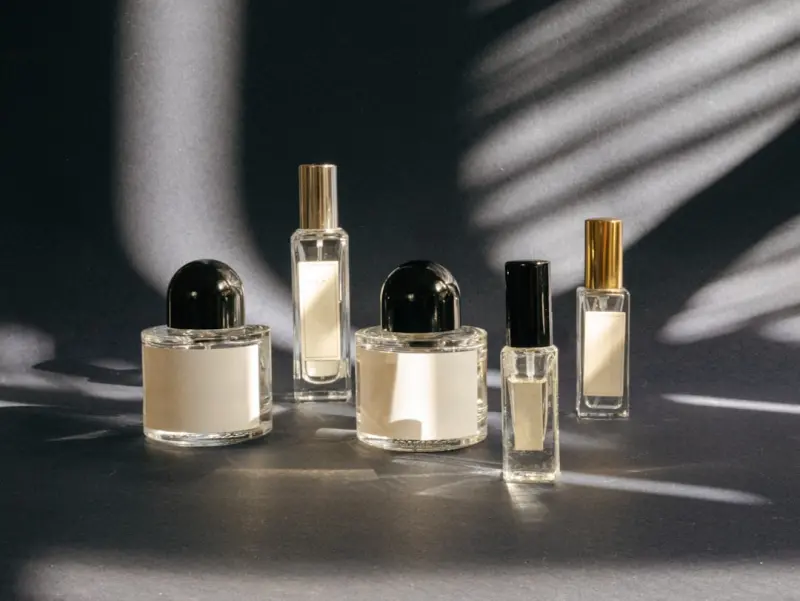
Why Scent Is the Unsung Hero of Home Comfort
When I first moved into my downtown loft, the moment I stepped through the door I was hit—not by the view, but by a faint, lingering smell of stale carpet mixed with the city’s exhaust. It didn’t take long for me to realize that scent is the most immediate, subconscious way a space tells a story. Unlike paint or furniture, a fragrance can shift a room’s mood in seconds, spark memories, and even influence productivity.
That revelation sparked my DIY fragrance zones project: a series of intentional, budget‑friendly scent stations that turn any room into a personalized sanctuary. Below is my step‑by‑step guide, peppered with the lessons I’ve learned while tinkering in my own kitchen, bathroom, and home office.
Assessing Your Space: Where Does Scent Fit In?
Before you buy any diffuser or essential oil, take a walk around your home with a notebook. For each room, ask yourself three quick questions:
- What’s the primary function of this space? (e.g., sleep, work, entertaining)
- What emotions do I want to evoke here? (calm, focus, joy)
- Which existing aromas are already present? (cooking, pets, fresh laundry)
Answering these helps you avoid scent clashes—like pairing a citrus burst in the bedroom, where you actually want a soothing lavender lullaby.
Choosing Natural Scents Over Synthetic Sprays
My early experiments with “room fresheners” left a sticky residue and a headache. I switched to high‑impact home tips that emphasize natural, non‑toxic ingredients. Here are my go‑to families:
- Citrus (lemon, orange, bergamot) – Energizing, perfect for kitchens and home offices.
- Herbal (rosemary, mint, eucalyptus) – Invigorating and great for study nooks.
- Floral (lavender, rose, jasmine) – Calming, ideal for bedrooms and bathrooms.
- Woody (cedar, sandalwood, pine) – Grounding, works well in living rooms and entryways.
When possible, source essential oils from reputable, organic producers. A little goes a long way, and you’ll avoid the “chemical” whiff that turns a room into a laboratory.
DIY Diffuser Basics: From Mason Jars to Ceramic Bowls
Commercial electric diffusers are sleek, but they can be pricey and often come with proprietary cartridges. I love the DIY route—simple, customizable, and a chance to repurpose items you already own.
- Mason Jar Reed Diffuser – Fill a 16‑oz jar with a carrier oil (like sweet almond or fractionated coconut) and add 20–30 drops of your chosen essential oil blend. Insert 5–6 bamboo reeds, flip them weekly, and enjoy a steady scent trail.
- Ceramic Bowl Aroma Stone – Place a few drops of essential oil on a porous stone (soapstone works wonderfully) and set it in a decorative bowl. The stone releases fragrance gradually, perfect for a bedside table.
- Simmer Pot – For a quick burst, simmer water with citrus peels, rosemary sprigs, and a dash of vanilla extract on low heat. This method doubles as a natural humidifier.
Each of these solutions is inexpensive, requires no electricity, and can be tailored to any aesthetic—from industrial loft to coastal cottage.
Layering Scents: The Art of Scent Harmony
Just as a chef layers flavors, you can layer scents to create depth. I start with a “base” note (usually woody or earthy) and then add “middle” and “top” notes for complexity. For instance, a living‑room blend might consist of:
- Base: 10 drops cedarwood
- Middle: 8 drops lavender
- Top: 5 drops bergamot
Mix these in your carrier oil, then distribute the blend across two diffusers—one in the corner, one on the coffee table. The result is a scent that evolves as you move through the room.
Seasonal Swaps: Keeping Your Home Fresh Year‑Round
One of my favorite aspects of fragrance zones is the ability to align them with the seasons. Here’s a quick cheat sheet:
| Season | Suggested Scents | DIY Idea |
|---|---|---|
| Spring | Fresh cut grass, lilac, eucalyptus | Reed diffuser with lilac + eucalyptus |
| Summer | Citrus, coconut, sea salt | Simmer pot with orange zest & vanilla |
| Fall | Spice, pumpkin, amber | Ceramic bowl with pumpkin seed oil + cinnamon |
| Winter | Pine, cedar, clove | Mason jar blend of pine needle + clove |
Seasonal changes keep the olfactory experience fresh and prevent scent fatigue.
Maintenance: Keeping Your Fragrance Zones Clean and Effective
Even the best DIY diffusers need occasional TLC:
- Reed diffusers: Replace reeds every 4–6 weeks. Clean the jar with warm, soapy water before refilling.
- Ceramic bowls: Wipe the stone with a soft cloth and a drop of carrier oil to prevent drying out.
- Simmer pots: Change the water daily to avoid stale aromas.
Regular upkeep ensures your scents stay pure and prevents mold or bacterial growth.
Bonus: Pairing Scent with Light and Sound
While I’m writing this, my favorite playlist of gentle piano is streaming in the background. Sound, light, and scent form a trifecta that can transform any space into a holistic sanctuary. If you’re interested in how to shape your home’s acoustic environment, check out my sound design tips. Pair a warm amber scent with soft, amber‑hued lighting and a low‑volume rain soundscape, and you’ve got a recipe for ultimate relaxation.
Putting It All Together: A Sample Room‑by‑Room Blueprint
Below is a quick reference I keep on my fridge. Feel free to adapt it to your own style.
- Entryway: Cedar reed diffuser + a small LED amber lamp – welcomes guests with grounding aroma and warm glow.
- Kitchen: Citrus simmer pot during meals – boosts appetite and energizes cooking.
- Home Office: Rosemary & mint reed diffuser + a daylight lamp – sharpens focus and reduces brain fog.
- Living Room: Layered blend of sandalwood (base), lavender (middle), bergamot (top) in two diffusers – balances relaxation with subtle uplift.
- Bedroom: Lavender stone bowl + a dimmable tealight – promotes restful sleep.
- Bathroom: Eucalyptus ceramic bowl – creates a spa‑like, refreshing atmosphere.
Implementing these zones took me a weekend, but the payoff has been weeks of elevated mood, better focus, and an unmistakable sense of home.
Final Thoughts: Your Home, Your Signature Scent
Fragrance is personal, just like a favorite song or a well‑worn sweater. By curating DIY fragrance zones, you give each room a distinct personality while maintaining an overarching sense of cohesion. The best part? You don’t need a designer’s budget—just a few essential oils, some repurposed containers, and a sprinkle of curiosity.
So go ahead, experiment, and let your nose lead the way. When you walk into a space and feel instantly at ease, you’ll know you’ve nailed the art of home scenting.

Related Posts
Creating Mini‑Zones: A Fresh Way to Organize Every Corner of Your Home
Learn to design functional mini‑zones that boost calm and efficiency, using versatile furniture, l... Read More
Crafting a Sensory Sanctuary at Home: Sound, Texture, and Aroma
Learn to create a multisensory home sanctuary using acoustic fixes, textured décor, and curated sce... Read More
Build a Home Office Oasis That Boosts Focus and Calm
Learn how to design a home office that fuels focus and well‑being using strategic layout, lighting... Read More
Top Posts

When AI Models Age: Guarding SaaS Against Drift and Decay
Model drift can silently undermine AI‑powered SaaS products. This guide shows how to embed detection, automate retraining, and align teams to keep AI performa...Read More

Mastering Intent Clusters: A New Blueprint for SEO Success
Learn to map user intent clusters, craft hyper‑personalized content, and leverage zero‑party data to dominate modern search results....Read More

How Augmented Reality Is Redefining Digital Marketing Playbooks
Augmented reality is reshaping digital marketing, offering brands immersive, data‑rich experiences that convert curiosity into sales and deepen customer loyal...Read More

Prompt Engineering Meets Product Brainstorming: An AI‑Augmented Ideation Playbook
Learn how integrating a large language model into product brainstorming turns chaotic ideas into actionable roadmaps, boosts velocity, and fosters a culture of ...Read More
0 Comments
Post Comment
You will need to Login or Register to comment on this post!