
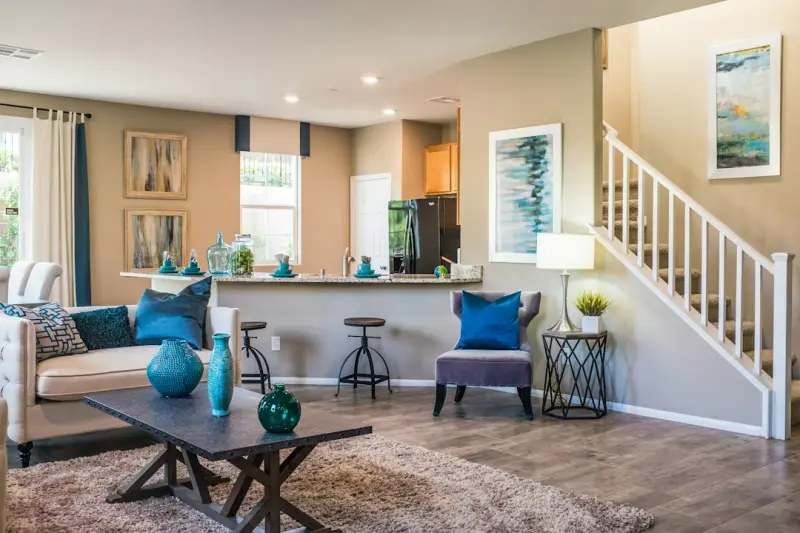
Why Acoustic Zones Matter More Than You Think
Most of us think of home comfort in terms of temperature, lighting, and visual aesthetics. Sound, however, silently shapes our daily experience. From the hum of a dishwasher to the chatter in the living room, unchecked noise can drain energy, disrupt focus, and even affect mood. Creating acoustic zones—dedicated spaces where sound is managed intentionally—lets you reclaim tranquility without sacrificing the open‑plan vibe many modern homes love.
Understanding the Basics of Home Acoustics
Before diving into the “how,” it helps to grasp the “why.” Sound travels in three main ways:
- Reflection: Hard surfaces bounce sound around, creating echo and “live” rooms.
- Absorption: Soft materials soak up sound waves, reducing reverberation.
- Diffusion: Irregular surfaces scatter sound, softening harsh reflections.
In a typical open‑plan layout, most rooms are dominated by reflection. The result? A kitchen conversation can bleed into a nearby office nook, or a home theater’s bass thumps disturb a sleeping child. By balancing these three principles, you can shape each area to serve its purpose—whether that’s concentration, relaxation, or socializing.
Step‑by‑Step Blueprint for Building Acoustic Zones
1. Map Your Home’s Sound Landscape
Grab a notebook and walk through each room, noting:
- Primary activities (work, cooking, sleeping, entertaining).
- Noise sources (appliances, traffic, TV, conversations).
- Current acoustic issues (echo, muffled speech, background hum).
This audit reveals where you need absorption (quiet zones) versus diffusion (social zones). For instance, a home office benefits from absorption, while a family room thrives on diffusion to keep the sound lively but not overwhelming.
2. Choose the Right Materials for Each Zone
Think of materials as your acoustic toolkit:
- Soft textiles: Thick rugs, plush curtains, and upholstered furniture absorb mid‑to‑high frequencies. Perfect for a reading corner.
- Acoustic panels: DIY panels made from rockwool or recycled denim can be mounted on walls to tame echo in a home office or studio.
- Bookshelves and plants: A well‑filled bookshelf or a cluster of large foliage acts as a diffuser, breaking up sound waves in communal areas.
- Ceiling clouds: Suspended panels or decorative baffles reduce reflections from high ceilings—ideal for loft spaces.
3. Zone Your Space with Visual Cues
Sound and sight are linked. Use color, furniture arrangement, and lighting to signal each acoustic purpose:
- Quiet work zones: Keep colors muted, use task lighting, and place a low‑profile desk against a wall covered in acoustic panels.
- Social hubs: Opt for brighter hues, layered lighting, and open seating that encourages conversation while the surrounding diffusion elements keep the buzz pleasant.
- Restful retreats: Soft, warm tones, dimmable lamps, and heavy curtains create a cocoon that both visual and auditory senses appreciate.
4. Implement Simple DIY Fixes
You don’t need a contractor to start improving sound. Here are budget‑friendly hacks:
- Rug layering: Place a thin rug over a larger one to add extra absorption without sacrificing style.
- Fabric wall art: Hang woven wall hangings or tapestries; they look great and act like acoustic panels.
- Floating shelves with books: Load them with a mix of books and decorative objects for diffusion.
- Seal gaps: Weather‑stripping doors and windows prevents external noise from leaking in.
These quick wins can be combined with a more structured approach, and they’re especially useful for renters who need reversible solutions.
5. Leverage Existing Storage Solutions
Smart storage can double as acoustic treatment. The Micro‑Storage Hacks to Reclaim Home Space article shows how compact units can be tucked into corners, freeing floor area while the thick sides act as sound barriers. A tall wardrobe with a fabric liner, for example, can shield a bedroom from hallway traffic noise.
6. Create “Quiet Corners” for Mental Reset
Even in bustling homes, a small “quiet corner” can be a sanctuary for meditation, reading, or focused work. By combining a plush armchair, a floor lamp, and a small acoustic panel, you’ll have a pocket of calm. Check out The Art of Quiet Corners for inspiration on making these zones phone‑free and distraction‑light.
Design Inspiration: Real‑World Acoustic Zone Examples
Seeing the concept in action helps translate ideas into practice. Below are three household scenarios that illustrate how acoustic zoning can transform everyday living.
Scenario A: The Remote Professional’s Home Office
Emily works as a product manager from her living room. The space also hosts family meals, causing frequent interruptions. By moving her desk to the far wall, installing a couple of DIY acoustic panels, and adding a thick rug, she reduced reverberation by 40%. She also placed a bookshelf with a mix of books and decorative items opposite the desk, which diffused ambient sound and prevented the TV’s bass from intruding.
Scenario B: The Family Entertainment Hub
Mark’s family loves movie nights, but his teenage son needs a quiet study area nearby. Mark installed a ceiling cloud above the TV wall to absorb low‑frequency thumps, and placed a tall, fabric‑lined wardrobe between the living room and the hallway. The wardrobe acts as a sound buffer, allowing the son to study with minimal disruption while the family enjoys immersive sound.
Scenario C: The Multi‑Generational Living Room
In a home shared by grandparents and grandchildren, the living room serves as a play area, a TV lounge, and a reading nook. The solution? A modular sofa arrangement that creates distinct zones, a series of hanging acoustic panels over the play area to soften noise, and a cozy corner with a floor lamp, plush rug, and a small acoustic panel for quiet reading.
Technology Meets Acoustics: Smart Solutions for the Modern Home
While DIY methods are powerful, technology can fine‑tune the acoustic environment:
- Smart speakers with adaptive volume: Devices that detect ambient noise levels and adjust playback volume automatically.
- Wireless acoustic panels: Panels with built‑in Bluetooth speakers allow you to add background music without cluttering the room.
- Noise‑cancelling window inserts: Transparent inserts that block external traffic noise while preserving natural light.
Integrating these tools with your acoustic zones keeps the home feeling seamless and high‑tech without compromising aesthetics.
Maintenance Tips to Keep Acoustic Zones Performing
Acoustic improvements are not “set it and forget it.” Regular upkeep ensures lasting benefits:
- Vacuum fabric surfaces: Dust on curtains or upholstered chairs can reduce their absorptive qualities.
- Rotate rug positions: Moving rugs periodically evens out wear and maintains consistent sound absorption.
- Check panel integrity: Ensure DIY acoustic panels stay firmly attached; loose panels can become a safety hazard.
- Update décor seasonally: Swapping out textiles each season not only refreshes style but also lets you adjust acoustic properties based on changing activities (e.g., more gatherings in summer, quieter work in winter).
Balancing Aesthetics and Acoustics: No Need to Compromise
Many homeowners fear that acoustic treatment will look industrial or “office‑like.” The good news: acoustic materials now come in a range of colors, textures, and shapes. From geometric fabric panels that double as wall art to reclaimed wood diffusers, you can curate a look that matches your interior design vision while delivering sound control.
Final Thoughts: Your Home as a Symphony of Spaces
Acoustic zoning turns a chaotic soundscape into a harmonious backdrop, supporting everything from focused work to lively family evenings. By mapping your home’s sound profile, selecting appropriate materials, and integrating subtle visual cues, you create a living environment that feels both spacious and intentionally crafted. Remember, sound is an invisible design element—once you start shaping it, you’ll hear (and feel) the difference instantly.

David Moore is a freelance writer specializing in two dynamic and ever-evolving fields: gambling and the tech industry. With a keen eye for detail and a knack for unraveling complex topics, David delivers insightful and engaging content that keeps readers informed and entertained.
Related Posts

Unlocking Hidden Comfort: Fresh Home Tips for a More Inviting Space
Explore fresh, practical home tips—from entryway upgrades to natural cleaning hacks—that transfo... Read More

Reclaiming Calm: Small Home Tweaks That Turn Chaos into Comfort
A practical guide filled with low‑cost, high‑impact home adjustments—from entryway rituals to ... Read More

Transform Your Home Into a Calm, Functional Sanctuary
Learn how simple tweaks—smart lighting, hidden storage, low‑maintenance plants, and sleep‑frie... Read More
Top Posts

Unlocking the Hidden Power of Google Search Console for Modern Marketers
Explore the latest Search Console features—from AI recommendations to intent clustering—that empower marketers to turn raw data into strategic content wins....Read More

Data Storytelling with Google Looker Studio: Turning SaaS Metrics into Action
Learn how to use Google Looker Studio to blend product, marketing, and financial data into clear, actionable dashboards that speed decision‑making and reduce ...Read More

Riding Google’s AI Wave: A Marketer’s Personal Playbook
A seasoned marketer shares a hands‑on playbook for leveraging Google’s AI—balancing creativity, data, ethics, and ROI—to stay ahead without losing the h...Read More

Beyond Clicks: The Tangible Power of Direct Mail in B2B Marketing
Direct mail is making a surprising comeback in B2B marketing. By integrating zero‑party data, interactive elements, and a tactile design, marketers can break ...Read More
0 Comments
Post Comment
You will need to Login or Register to comment on this post!