
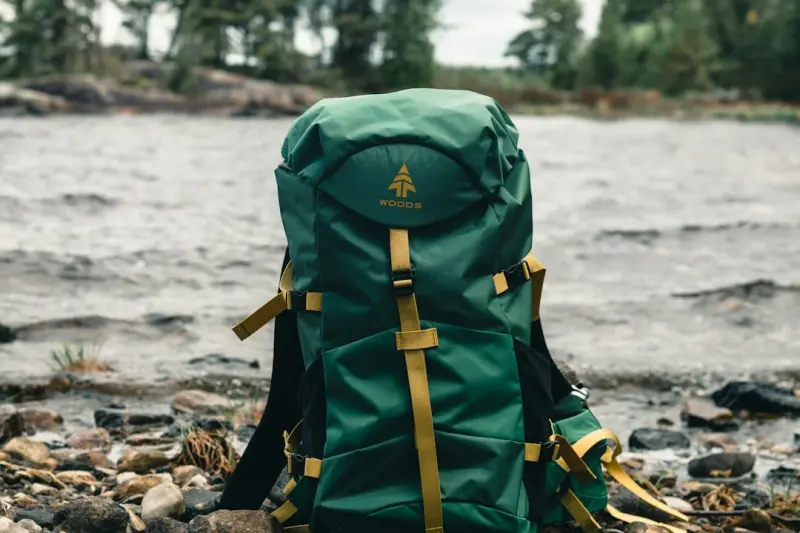
The Backpack Knowledge Vault: Turning Travel into a Personal Think‑Tank
Every time I zip up my carry‑on, I’m not just packing clothes; I’m loading a mobile laboratory. While most travelers chase the perfect photo or the next adrenaline rush, I’m hunting for the raw material that fuels my next big idea. This isn’t about ticking boxes on a bucket list; it’s about deliberately converting every airport lounge, train carriage, and street market into a source of actionable knowledge.
Why Treat Travel Like a Research Project?
When you’re on the road, you’re exposed to a constant stream of new stimuli: unfamiliar languages, different business customs, unexpected logistical challenges, and, of course, the occasional culinary surprise that makes you question everything you thought you knew about flavor. All of these data points can be harvested, catalogued, and re‑engineered into insights that give you a competitive edge back at the office.
Think of it as a three‑step process: Capture, Curate, and Activate. If you can master this loop, the world becomes your personal think‑tank, and every trip adds a new chapter to your professional narrative.
Step 1: Capture – The Art of Immediate Documentation
Most travelers wait until they get home to jot down notes, and by then the details have faded. The key is to create a real‑time capture system that works in any environment – whether you’re on a crowded bus in Bangkok or perched on a quiet balcony in Lisbon.
- Voice Memos: Use the built‑in recorder on your phone. Speak out loud about an insight you just had – “The way the locals negotiate prices here is a masterclass in relationship‑based selling.”
- Micro‑Notes: Keep a digital notepad (like Notion or Evernote) open at all times. A quick bullet point is better than a perfect paragraph you’ll never write.
- Photo Annotations: Snap a picture of a storefront, a product display, or a street sign, then add a short caption describing why it caught your eye.
It may feel like a chore, but the habit of immediate capture ensures that the “golden nuggets” of insight stay fresh and vivid.
Step 2: Curate – Transform Raw Data into Structured Knowledge
Capture is only half the battle. The next phase is to transform those fragmented observations into a coherent repository you can actually use. Here’s how I turn chaos into order:
- Tagging System: Create a simple taxonomy – Culture, Operations, Design, Customer Behavior. Every note gets at least one tag, making it searchable later.
- Weekly Review Sessions: Set aside 30 minutes each Sunday to categorize new entries, merge duplicates, and highlight the top three takeaways.
- Linking Ideas: Use the data‑driven travel insights approach to connect observations with existing frameworks. For example, link a note about “queue management in Tokyo subways” to a broader concept of “process optimization”.
When you treat your notes like a living document, you create a personal knowledge base that grows with each journey. It’s no longer a scattered mess of scribbles; it becomes a searchable, actionable asset.
Step 3: Activate – From Insight to Action
The final step is the most rewarding: turning those curated insights into real‑world initiatives. Here are three proven ways to apply your travel‑derived knowledge:
- Team Workshops: Bring a handful of your top insights to a brainstorming session. Use them as prompts for lateral thinking exercises. “What can we learn from the way a street vendor in Marrakech builds trust with first‑time buyers?”
- Process Tweaks: If you observed a more efficient check‑in system at a boutique hotel, map its steps and test a pilot version within your own organization.
- Content Creation: Transform a compelling anecdote into a case study, blog post, or internal newsletter. Storytelling makes the insight stick and spreads it across the company.
In short, the activation phase is where the backpack knowledge vault actually powers performance.
Designing Your Travel Toolkit
To make the Capture‑Curate‑Activate loop seamless, you need the right tools. Below is my go‑to setup, which balances simplicity with power:
- Device: A lightweight smartphone with a robust note‑taking app (I prefer Notion for its flexibility).
- Audio Recorder: The built‑in voice memo feature, paired with a Bluetooth headset for hands‑free dictation.
- Cloud Storage: Google Drive or Dropbox to ensure every photo and audio file syncs instantly.
- Tagging Plugin: Use a browser extension like Raindrop.io to tag saved web pages on the fly.
All of these tools work offline, which is crucial when you find yourself in a low‑connectivity environment. Once you return to a stable network, everything syncs automatically, and you’re ready for the weekly review.
Travel as a Cross‑Functional Learning Engine
One of the biggest misconceptions about travel is that it’s a solo, leisure‑only activity. In reality, it can be an organizational catalyst. By inviting colleagues to join you on short, purpose‑driven trips, you expose the whole team to diverse perspectives and challenge the status quo.
Consider the micro‑adventures trend as a template: instead of long, expensive retreats, you can plan a series of “Insight Sprints” – three‑day trips focused on a specific theme (e.g., “supply chain innovations in Southeast Asia”). Each sprint ends with a rapid debrief where the team extracts learnings and maps them to current projects.
This approach democratizes the knowledge‑creation process and ensures that the benefits of travel are distributed across the organization, not just hoarded by a handful of senior executives.
Measuring the ROI of Your Knowledge Vault
It’s natural to wonder whether the time spent documenting and curating is worth the effort. The answer lies in tracking a few simple metrics:
- Insight Adoption Rate: Percentage of curated insights that are referenced in internal documents or project plans.
- Idea-to-Implementation Cycle: Time elapsed from insight capture to its first tangible application.
- Team Engagement Score: Survey results on how often teammates reference travel‑derived learnings in meetings.
When these numbers start moving in the right direction, you have concrete proof that your backpack knowledge vault is delivering real business value.
Final Thoughts – Make Every Journey Count
Travel isn’t just a break from the office; it’s a strategic asset. By treating each trip as a research expedition, you turn ordinary experiences into a reservoir of ideas, strategies, and cultural insights that can accelerate innovation at home. The key is discipline: capture relentlessly, curate thoughtfully, and activate deliberately.
If you’re ready to upgrade your wanderlust into a competitive advantage, start building your backpack knowledge vault today. The world is full of untapped wisdom – all you need to do is collect it.

Paul Flynn is a versatile freelance writer equipped with a diverse skillset and a portfolio that reflects his wide-ranging interests and expertise. From crafting compelling website copy and engaging blog posts to delivering in-depth articles and meticulously researched reports, Flynn demonstrates a remarkable ability to adapt his writing style to suit various audiences and purposes.
Related Posts

Unlocking Personal Growth in the Gaps Between Flights
Learn to transform idle travel moments into powerful personal‑development sessions with microlearn... Read More
Sensing the World: How Travel Becomes a Personal Time Machine
Discover the art of using sound, scent, touch, and sight to turn each journey into a personal time m... Read More
The Journey as a Lab: Turning Travel Into a Growth Engine
Travel isn’t just a break—it’s a laboratory for personal and professional growth. Learn how to... Read More
Top Posts

How Google’s Ecosystem Can Supercharge B2B SaaS Growth
Discover how to turn Google Search, Workspace, Cloud, and Ads into a strategic engine for B2B SaaS success, with actionable steps for real‑time insights, coll...Read More

Digital Detox: Reclaiming Health in an Always‑On World
A digital detox isn’t about abandoning technology—it’s about resetting your relationship with screens to improve sleep, reduce stress, and enhance focus. ...Read More
Zero‑Party Data: The Future‑Proof Strategy Brands Can’t Ignore
Zero‑party data lets consumers share preferences willingly, giving marketers a compliant, high‑quality insight source that fuels personalized experiences an...Read More
Beyond Google: SEO Strategies for TikTok, Amazon, and Voice Assistants
Explore a fresh SEO playbook that extends beyond traditional search, focusing on TikTok, Amazon, and voice assistants. Learn practical tactics to capture traffi...Read More
0 Comments
Post Comment
You will need to Login or Register to comment on this post!