
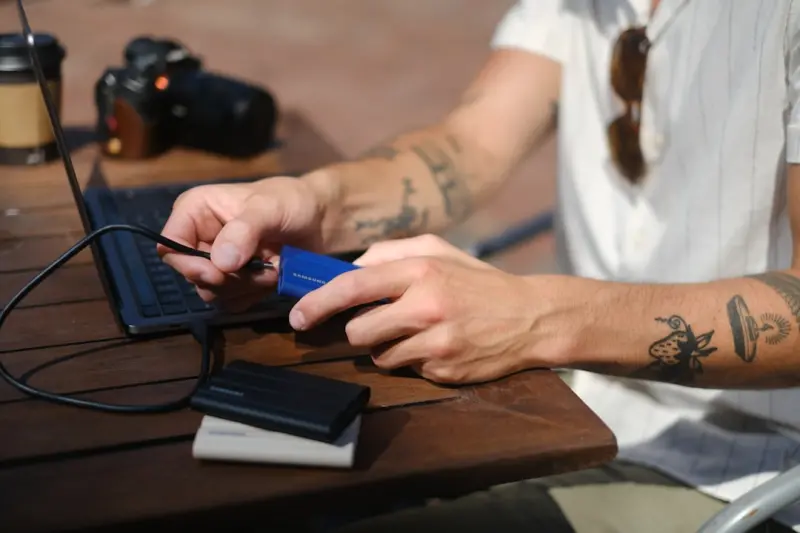
Why Travel Isn’t Just a Break—It’s a Blueprint for Innovation
When most professionals think about “taking a vacation,” they picture a few days unplugged from the inbox, maybe a beach lounge chair, and a return to the same spreadsheet‑filled routine. I used to be that person, too—until a chance layover in Marrakech turned my typical “holiday” into an unexpected laboratory for creativity. The bustling souks, the call to prayer echoing over winding alleys, and the spontaneous conversation with a local potter forced my brain to abandon its usual filters. I left with more than souvenirs; I returned with a fresh set of mental models that reshaped the way I approach problem‑solving at work.
Travel, when approached deliberately, can become a structured yet serendipitous experiment that fuels innovation. It’s not about ticking off tourist attractions; it’s about designing experiences that stretch the mind, challenge assumptions, and surface insights you never knew you needed.
Designing Your Journey as a Personal R&D Project
Think of each trip as a small research and development (R&D) sprint. Here’s how to set the stage:
- Define a hypothesis. Before you book your flight, ask a question you want to explore. “Will immersing myself in a language‑different environment improve my ability to think laterally?”
- Choose “variables” wisely. Select destinations, modes of transport, and activities that will challenge specific cognitive habits. A mountain trek might test endurance, while a cooking class in a foreign market can sharpen adaptability.
- Gather data. Keep a lightweight journal, voice memos, or even a sketchbook. Capture moments when you felt “stuck” and note what triggered a breakthrough.
- Analyze and iterate. After returning, review your notes with the same rigor you’d apply to a product post‑mortem. Identify patterns, unexpected wins, and areas for future exploration.
This approach flips the script on “vacation” and treats travel as a knowledge‑building mission. It aligns perfectly with the modern professional’s appetite for continuous learning—without the pressure of formal coursework.
The Hidden Power of “Unstructured” Exploration
While structured R&D trips are valuable, the most profound insights often emerge from moments of pure, unplanned wandering. The brain’s default mode network (DMN) activates when we’re not focusing on a specific task, allowing it to make connections across disparate ideas. In practice, this means that getting lost—literally—can help you get found in the realm of creative thinking.
Here’s how to cultivate productive “getting lost”:
- Limit your itinerary. Reserve at least one day with no reservations. Use local transport, follow the crowd, or let a random map pin decide your path.
- Engage all senses. Touch textures, taste unfamiliar foods, listen to ambient sounds, and observe body language. Multi‑sensory input feeds richer neural associations.
- Ask “why?” at every turn. When you see a street performer, wonder about the cultural forces that made that art form possible. When you encounter a market stall, consider the logistics behind its supply chain.
These seemingly trivial observations can later translate into fresh angles for product positioning, user experience design, or even team dynamics.
Tech Tools That Amplify the Travel‑Learning Loop
Travel doesn’t have to be analog only. Leveraging a few smart tools can transform raw experiences into actionable intel. One area I’m particularly excited about is the integration of wearable biofeedback tools. By tracking heart‑rate variability, stress levels, and sleep quality in real time, you gain an objective lens on how different environments affect your physiology. The data can reveal patterns—perhaps you’re most creative in early mornings after a jog along a river, or you hit a productivity slump after long, noisy bus rides.
Pair this biometric feedback with a simple note‑taking app that timestamps your observations. Over the course of a trip, you’ll amass a dataset that links emotional states, environmental factors, and creative outputs. When you return, a quick visual analysis (even a basic spreadsheet) can pinpoint the conditions that consistently spark your best ideas.
From “Travel Fatigue” to “Travel Momentum”
Many professionals dread the post‑trip slump—the feeling that the inspiration fizzles once the suitcase is unpacked. To avoid this, treat the end of a journey as the start of a knowledge‑transfer phase:
- De‑brief with a colleague. Schedule a 30‑minute “travel insights” session. Share your hypothesis, observations, and any data visualizations you created.
- Create a “travel‑to‑action” roadmap. Convert each insight into a concrete experiment you can run at work. For example, if you discovered that spontaneous brainstorming in cafés boosts idea quantity, set up a weekly “café sprint” for your team.
- Document the process. Write a short case study for your internal knowledge base, highlighting methodology, outcomes, and next steps. This not only cements your learning but also encourages a culture of experiential learning across the organization.
By turning the afterglow of travel into a series of actionable steps, you maintain momentum and embed the benefits of your experience into day‑to‑day operations.
Travel‑Inspired Innovation in Action
Consider the story of a product team at a mid‑size SaaS firm that sent two engineers on a two‑week “culture immersion” trip to Kyoto. Their mission: understand how traditional craftsmanship balances precision with flexibility. While wandering the Nishiki Market, they observed artisans iterating on pottery designs in real time based on immediate feedback from buyers—a practice that mirrored agile development.
When they returned, they proposed a new feature that allowed customers to “custom‑tweak” dashboard widgets on the fly, similar to the potters’ live adjustments. The feature reduced churn by 12% within the first quarter, proving that travel‑derived insights can directly drive product success.
Travel as a Catalyst for Empathy‑Driven Design
Empathy is the cornerstone of user‑centric design, yet it’s easy to get trapped in echo chambers within the office. Immersing yourself in unfamiliar cultures forces you to navigate new social norms, language barriers, and differing expectations. This lived empathy translates into a keener ability to anticipate user pain points, especially for global audiences.
Here’s a quick empathy‑building exercise you can try on any trip:
- “One‑Minute Interviews.”strong> Approach strangers (with courtesy) and ask a single, open‑ended question about a daily challenge they face. Listen without interjecting. Record (with permission) or jot down the core sentiment.
- Map the challenges. Back at your hotel, cluster the challenges into themes—time management, access to services, community support, etc.
- Translate to product ideas. For each theme, brainstorm one feature or improvement that could address the identified need.
These micro‑interviews often surface universal frustrations that are surprisingly relevant to your existing user base, giving you a ready‑made backlog of empathy‑backed enhancements.
The Rise of “Learning‑Travel” Packages (Without the Subscription Gimmick)
While many articles discuss subscription‑style vacation models, there’s a growing niche of learning‑travel experiences that focus purely on skill acquisition and cognitive growth. Think intensive language immersion retreats, design thinking bootcamps in Barcelona, or data‑science hackathons in Berlin. These programs blend structured learning with the organic inspiration of travel, offering a hybrid that satisfies both the need for professional development and the desire for adventure.
If you’re skeptical, try a short‑term version: join a week‑long workshop that includes field trips. You’ll experience firsthand how the blend of formal instruction and spontaneous exploration accelerates mastery.
Practical Tips for Turning Any Trip Into a Growth Engine
Even if you can’t afford an elaborate program, you can still embed growth into ordinary travel:
- Pack a “learning kit.” Include a pocket notebook, a voice recorder, and a compact tablet for quick research.
- Set “learning checkpoints.” Every afternoon, spend ten minutes reviewing your notes and identifying any emerging patterns.
- Leverage local expertise. Attend community talks, meet‑ups, or even informal gatherings at co‑working spaces.
- Stay physically tuned. Use the same wearable biofeedback tools you rely on at home to maintain optimal energy levels.
- Document with purpose. Write each entry as if you’re preparing a briefing for your team—concise, actionable, and backed by observations.
Conclusion: Make the World Your Innovation Playground
Travel is more than a pause button; it’s an accelerant for the creative and strategic muscles we all strive to strengthen. By treating trips as intentional experiments, embracing unstructured wandering, and harnessing technology to capture insights, you can return not just rested, but equipped with a fresh arsenal of ideas. The next time you hear “vacation,” imagine the possibilities: a living, breathing think‑tank waiting just beyond the airport gate.
Ready to design your next travel‑inspired breakthrough? Start by picking a destination that feels a little uncomfortable, draft a simple hypothesis, and let the world become your most dynamic brainstorming room.

Related Posts

Why Unplanned Detours Are the Secret Sauce of Sustainable Travel
This article explores how letting go of rigid itineraries and welcoming spontaneous detours can lead... Read More
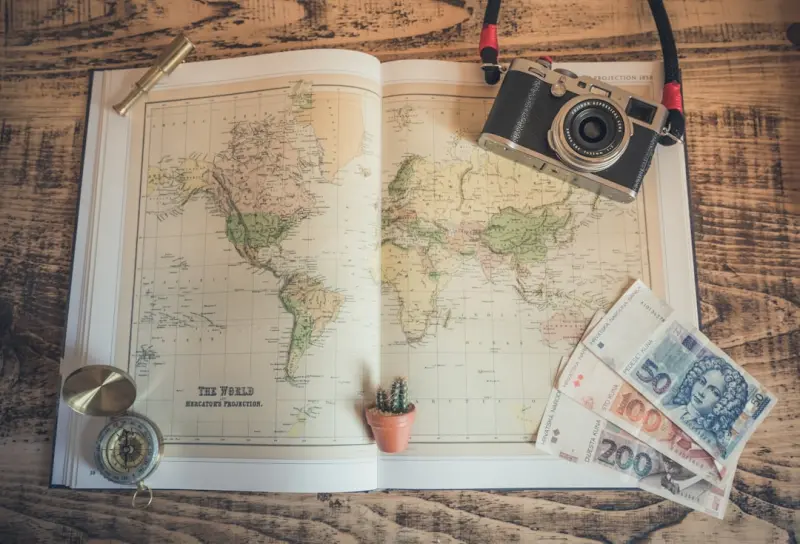
Field Notebook Travel: Turning Trips into Live Research
Learn to transform any trip into a live research project using a simple field notebook, observation ... Read More
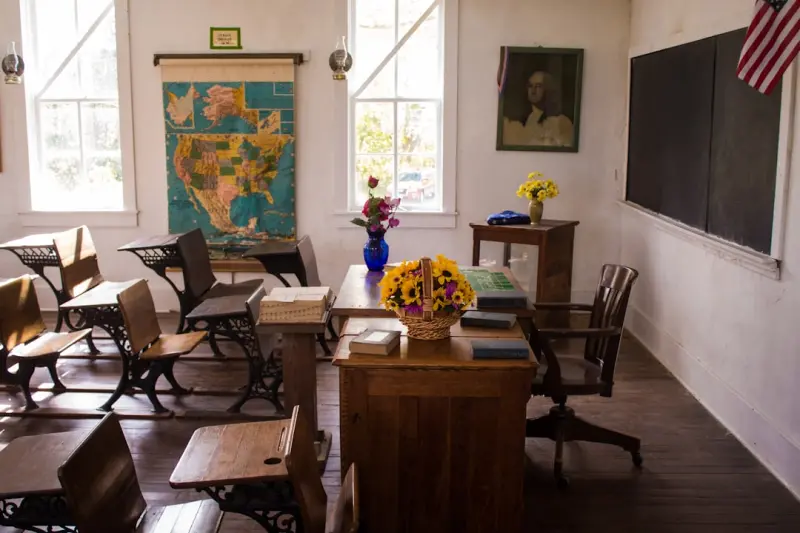
The Uncharted Classroom: Turning Travel into a Real‑World Leadership Bootcamp
Travel can be more than a vacation—it’s a hands‑on leadership bootcamp. This post outlines a f... Read More
Top Posts
When AI Becomes Your Product’s Silent Partner: Co‑Creating Value at Scale
Discover a fresh approach to integrating AI into SaaS products by treating it as a silent partner that amplifies human decisions—boosting personalization, qua...Read More

Micro‑Adventures: Small Escapes, Big Impact
Explore the rise of micro‑adventures, practical planning tips, and why tiny trips are reshaping modern travel and lifestyle....Read More

Edge AI in SaaS: Redefining Performance
Edge AI is shifting intelligence from centralized clouds to the devices where data is generated, offering SaaS platforms unprecedented speed, bandwidth savings,...Read More

AI as Your Brand’s Co‑Author: Crafting Dynamic B2B Narratives
AI isn’t just for analytics—it’s a partner in crafting brand stories. Learn how to use AI to uncover audience motives, generate personalized narratives, a...Read More
0 Comments
Post Comment
You will need to Login or Register to comment on this post!