

Artificial intelligence has become the quiet catalyst behind many of the strategic shifts we see in B2B SaaS today, but its most transformative role isn’t about automation or predictive analytics. It’s about redefining how we think about decision‑making fatigue—that invisible drain that saps creativity, stalls projects, and erodes confidence across product, sales, and customer success teams.
Why Decision Fatigue Matters More Than Ever
In a world where product roadmaps sprint forward, market signals shift daily, and compliance checklists grow longer, leaders are asked to make a cascade of high‑stakes choices—sometimes dozens in a single day. The cognitive load from constant prioritization creates a subtle, yet measurable, decline in judgment quality. Researchers have shown that after a series of decisions, even seasoned executives revert to heuristic shortcuts, increasing the risk of sub‑optimal outcomes.
For B2B SaaS companies, the cost is tangible: slower feature rollouts, missed revenue windows, and a culture that rewards speed over thoughtful deliberation. The challenge isn’t just to make decisions faster, but to preserve the mental bandwidth needed for truly strategic thinking.
Enter AI: The Decision‑Fatigue Alleviator
AI can act as a cognitive off‑ramp, handling the low‑level, repetitive decision layers so humans can focus on the high‑impact, creative work. Think of it as a personal “decision‑filter” that:
- Aggregates disparate data streams (customer usage, market trends, support tickets) into a single, digestible snapshot.
- Prioritizes initiatives based on a blend of quantitative impact and qualitative strategic fit.
- Provides confidence scores, nudging teams toward the options with the strongest evidential support.
By delegating the grunt work of data synthesis, AI reduces the number of micro‑decisions that would otherwise sap mental energy. The result? A clearer path for teams to spend their attention on shaping product narratives, building lasting client relationships, and innovating beyond incremental improvements.
Designing an AI‑Centric Decision Framework
Implementing AI as a fatigue‑reduction tool requires more than plugging in a dashboard. Below is a pragmatic framework that blends technology, process, and culture.
1. Map the Decision Landscape
Start by cataloguing the decision types that surface daily across departments. Separate them into three buckets:
- Operational – Routine selections like resource allocation, bug triage, or pricing tier adjustments.
- Tactical – Mid‑term choices such as feature prioritization, partner onboarding, or campaign focus.
- Strategic – Long‑term direction setting, market entry, or platform architecture shifts.
Only the operational and low‑tactical decisions are prime candidates for AI augmentation. Strategic decisions remain human‑centric, but AI can still provide context.
2. Choose the Right AI Toolbox
There’s a spectrum of AI techniques suited for different decision layers:
- Rule‑Based Engines – Great for operational tasks with clear thresholds (e.g., auto‑escalate tickets when SLA risk exceeds 80%).
- Machine‑Learning Ranking Models – Ideal for prioritizing feature backlogs based on usage patterns, churn risk, and revenue potential.
- Generative AI Assistants – Useful for drafting strategic briefs, summarising stakeholder inputs, or surfacing scenario analyses.
When you combine these layers, you create a decision pipeline that hands the right level of insight to the appropriate human stakeholder.
3. Embed Transparency & Trust
One of the biggest barriers to AI adoption is the “black box” perception. Mitigate this by:
- Displaying confidence scores alongside recommendations.
- Providing traceability—show which data points fed into the model.
- Offering a “human‑in‑the‑loop” toggle that lets users override or fine‑tune outputs.
Transparency not only builds trust, it also serves as an educational loop, helping teams understand the data‑driven rationale behind each suggestion.
4. Iterate with Real‑World Feedback
AI models degrade without continuous learning. Set up a feedback cadence where users rate the usefulness of each recommendation. Feed that signal back into the model to improve precision over time. The loop should be short enough to feel responsive but long enough to capture meaningful patterns.
Case Study: Turning Feature Backlog Chaos into a Clear Prioritization Path
Imagine a mid‑size SaaS platform that historically relied on weekly stakeholder meetings to rank new features. The process was fraught with political pressure, last‑minute data requests, and an ever‑growing spreadsheet that no one trusted.
By deploying a machine‑learning ranking model that ingested usage analytics, NPS scores, renewal likelihood, and support ticket volume, the product team transformed the backlog into a data‑driven queue. Each feature received a “strategic impact score” and a “implementation risk score,” allowing the PM to focus discussions on the top 5‑10 items that truly moved the needle.
The results were striking:
- 30% reduction in time spent on backlog grooming.
- 15% increase in quarterly feature adoption rates.
- Higher cross‑functional alignment, as sales and support could see the same rationale behind each priority.
This is the kind of tangible win that illustrates AI’s power to cut through decision fatigue and restore focus.
Balancing AI Assistance with Human Insight
While AI can shoulder the burden of routine decisions, it’s crucial to preserve the human element where intuition, empathy, and strategic nuance matter. Here are three guardrails to keep the balance healthy:
- Define Decision Ownership – Clearly assign who owns the final call. AI should be a co‑pilot, not the captain.
- Schedule “Decision‑Free” Intervals – Protect blocks of time where teams work without AI prompts, fostering deep work and creative thinking.
- Encourage Narrative Building – Use AI‑generated summaries as a springboard, but require teams to craft a story around the data, linking it to customer outcomes and market positioning.
Integrating AI with Existing Knowledge Frameworks
Many B2B SaaS organizations already leverage knowledge graphs to connect product attributes, customer personas, and market signals. By layering decision‑fatigue mitigation AI on top of these graphs, you create a unified intelligence hub.
For instance, Google’s Knowledge Graph demonstrates how semantic relationships can power richer insights. When an AI engine taps into that graph, it can surface hidden dependencies—like how a new integration request might affect existing API rate limits—before a human even raises the question.
Practical Steps to Get Started
- Audit Decision Points – Conduct a 30‑day observation sprint to log every decision, its context, and who made it.
- Identify Low‑Hanging AI Candidates – Prioritize tasks that are data‑rich, repetitive, and have clear success metrics.
- Prototype Quickly – Use low‑code AI platforms to build a proof‑of‑concept for one decision stream (e.g., support ticket prioritization).
- Measure Impact – Track metrics such as decision time, confidence levels, and downstream performance (e.g., churn reduction).
- Scale Thoughtfully – Expand to other decision layers only after the initial model proves its value and earns team trust.
Future Outlook: AI as a Decision‑Design Partner
Looking ahead, the next evolution isn’t just AI suggesting choices—it will be AI co‑designing decision pathways. Imagine a system that not only ranks features but also drafts implementation roadmaps, forecasts resource constraints, and simulates market impact in real time.
Such a partner would enable organizations to move from reactive decision‑making to proactive, scenario‑driven strategy—shifting the focus from “What should we do next?” to “What possibilities should we explore?” This shift promises to restore the creative spark that decision fatigue has dimmed, allowing B2B SaaS teams to innovate at scale without burning out.
Takeaway
Decision fatigue is an invisible cost that erodes the strategic edge of B2B SaaS firms. By thoughtfully integrating AI as a decision‑filter, you can reclaim mental bandwidth, accelerate execution, and keep the human element at the heart of strategic judgment. The journey starts with mapping decisions, choosing the right AI tools, and building trust through transparency. When done right, AI becomes not just a tool, but a silent partner in your quest for smarter, more sustainable growth.
For a deeper dive into how AI can serve as a quiet mentor in everyday workflows, explore AI as the Hidden Mentor. And if you’re curious about leveraging semantic connections for richer insights, see how Google’s Knowledge Graph is being repurposed for decision intelligence.

Robert Mathews is a professional content marketer and freelancer for many SEO agencies. In his spare time he likes to play video games, get outdoors and enjoy time with his family and friends .
Related Posts
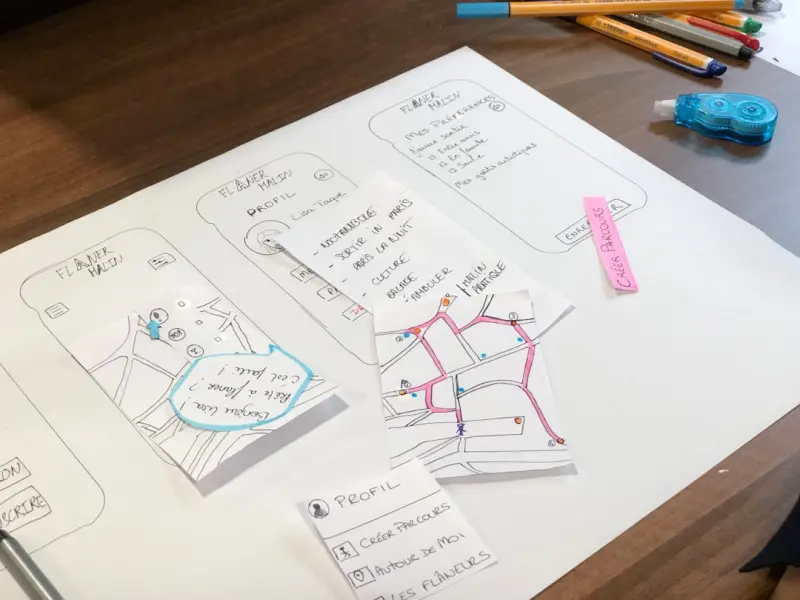
AI as Your Quiet Co‑Creator: Rethinking Product Roadmaps
AI isn’t just a buzzword—it can quietly partner with product teams, turning data into empathy, s... Read More
AI‑Powered Personal Knowledge Graphs: Turning Data Chaos Into Insight
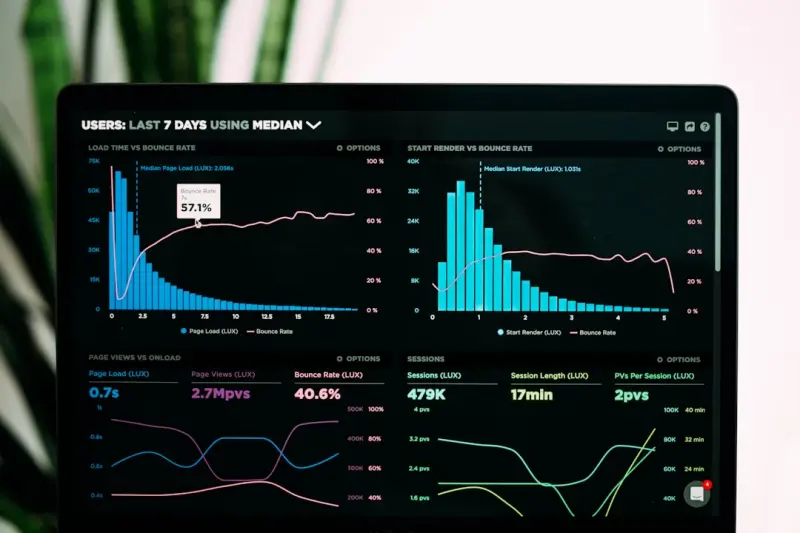
Learn how to build an AI‑driven personal knowledge graph that transforms cluttered notes into a li... Read More

When Machines Muse: Harnessing AI as a Creative Co‑Pilot for Business Innovation
Discover how treating AI as a creative muse can transform product design, accelerate time‑to‑mar... Read More
Top Posts

Riding Google’s AI Wave: Why Human Connection Still Beats the Algorithm
Discover how to keep your brand authentic and human‑focused as Google’s AI reshapes search, with actionable tips from a seasoned marketer who blends storyte...Read More

Designing a Home That Fuels Focus and Calm
Discover a step‑by‑step guide to transforming your living space into a calm, focused environment using smart lighting, acoustic upgrades, intentional declut...Read More

Detox Retreats: Finding Balance in a Connected World
Discover why unplugging at a digital detox retreat can reset your mind and body, offering lasting health benefits and practical ways to stay balanced in an alwa...Read More

Transform Your Home Into a Calm, Functional Sanctuary
Learn how simple tweaks—smart lighting, hidden storage, low‑maintenance plants, and sleep‑friendly tech—can turn any home into a calm, functional sanctu...Read More
0 Comments
Post Comment
You will need to Login or Register to comment on this post!