

When I first saw Google unveil its newest generative AI features, my instinct was a mix of awe and anxiety. The platform’s ability to synthesize answers, draft content, and predict intent feels like a super‑charged crystal ball, yet it also threatens to drown authentic voices in a sea of algorithmic polish. As a marketer who has spent years coaxing stories out of data, I’m learning to treat Google’s AI not as a replacement but as a collaborator that can amplify the human pulse behind every brand message.
Understanding the New Search Landscape
The core of Google’s AI evolution is its shift from keyword matching to semantic understanding, a transition that reshapes how content is evaluated and ranked. Instead of rewarding exact phrase density, the engine now gauges context, intent, and even emotional resonance, which means marketers must speak like people, not like machines. This seismic change forces us to revisit our content strategies, ensuring every headline, meta description, and body paragraph feels like a genuine conversation rather than a forced optimization exercise.
One of the most illuminating pieces I’ve encountered recently is Why Google’s AI Evolution Demands a Human‑First Marketing Mindset, which argues that the algorithm’s appetite for authenticity is a clarion call for brands to double down on human storytelling. The article underscores that while AI can surface data‑driven insights, it cannot replace the subtlety of lived experience, cultural nuance, or the warmth of a well‑crafted narrative. In practice, this means we must embed real‑world anecdotes, customer voices, and transparent brand values into every piece of content we produce.
Embedding Humanity Into Every Click
To stay ahead, I’ve adopted a three‑step framework that keeps the human element front and center, even as AI handles the heavy lifting behind the scenes. First, I start with a “story seed” – a raw, unfiltered customer quote or a vivid scene that captures the problem we aim to solve. Second, I let AI draft a structural outline, then I inject personality, humor, and empathy, reshaping the draft into something that feels unmistakably human. Finally, I run the piece through a “human‑filter” checklist that asks whether a real person would laugh, cry, or take action after reading it.
For a deeper dive into the tactics that make this approach work, check out Navigating Google’s AI Wave: A Human‑First Marketer’s Playbook. The guide walks you through practical exercises such as “voice mapping” and “emotion tagging,” which help translate raw data into narratives that resonate on a personal level. By marrying AI’s speed with our innate ability to feel, we create content that not only satisfies Google’s ranking criteria but also builds lasting relationships with audiences.
Another essential insight comes from Riding Google’s AI Wave: Why Humanity Still Wins in Search, which reminds us that search intent is ultimately rooted in human curiosity, fear, hope, and desire. The piece highlights that while AI can predict what users might type, it cannot anticipate the emotional journey that follows a click. Brands that embed empathy, transparency, and a genuine desire to help will see higher dwell time, lower bounce rates, and, most importantly, stronger brand loyalty.
Consider the case of a boutique coffee roaster I consulted for last quarter. Their initial AI‑generated product pages were technically flawless, but they lacked the aroma of their craft. By weaving in the farmer’s story, the sunrise harvest ritual, and a few well‑placed sensory descriptors, we transformed sterile listings into immersive experiences that boosted conversion rates by 27 %. The data confirmed what the theory predicts: humans respond to stories that engage the senses and emotions, even when the search engine powers the discovery.
Looking ahead, the inevitable challenge will be maintaining this balance as AI becomes more autonomous. Future updates may allow Google to generate entire landing pages on the fly, customizing copy for each user’s profile. While this promises unprecedented relevance, it also raises the risk of diluting brand voice into a series of algorithmic fragments. Marketers must therefore establish non‑negotiable brand pillars – core values, tone guidelines, and storytelling principles – that act as guardrails no matter how sophisticated the AI becomes.
Here’s a quick, actionable checklist to keep your brand human in an AI‑driven world:
- Audit your voice. Conduct a quarterly review of top‑performing content to ensure it aligns with your brand’s personality.
- Prioritize real stories. Feature customer testimonials, behind‑the‑scenes footage, and employee anecdotes at least once per month.
- Leverage AI for structure, not style. Use AI to outline, research, and optimize, but always add a human editorial pass.
- Measure emotional impact. Track metrics like average session duration, scroll depth, and sentiment analysis alongside traditional SEO KPIs.
- Stay adaptable. Regularly update your AI prompts to reflect emerging trends, cultural shifts, and audience feedback.
In the end, Google’s AI wave is less a tsunami that will wash away marketers and more a tide that can lift those who learn to surf with intention. By championing authenticity, embracing empathy, and using AI as a strategic ally rather than a crutch, we can ensure our brands not only rank higher but also resonate deeper. The future of search belongs to those who remember that behind every query is a human seeking connection, and it’s our job to meet them where they are – with honesty, heart, and a story worth sharing.

Related Posts

Cracking Google Discover: A Practical Playbook
Google Discover can drive massive, evergreen traffic. This guide reveals how to craft content that s... Read More

Riding Google’s 2024 AI Wave: Rose DesRochers’ Insider Playbook for Marketers
Rose DesRochers shares her insider playbook for navigating Google’s 2024 AI wave, revealing how ma... Read More

Riding the Google AI Wave: Insights from a Marketer on the Frontlines
A marketer’s front‑line guide to leveraging Google’s AI—learn practical tactics for research... Read More
Top Posts
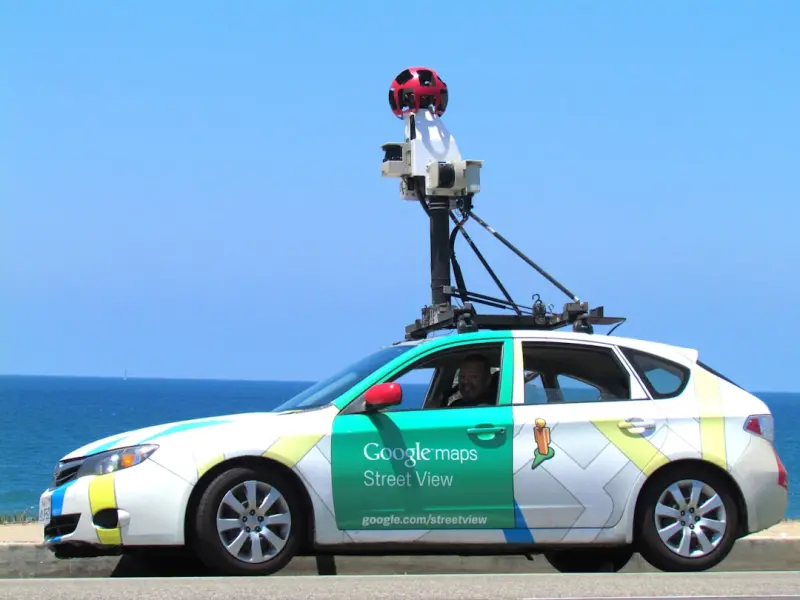
How Google Maps Platform is Becoming the Backbone of Modern Enterprise Logistics
Google Maps Platform is no longer just a consumer tool; it’s a powerful, secure geospatial engine that modern enterprises use to optimize routing, improve fie...Read More

When AI Becomes Your Decision‑Making Ally: Turning Overwhelm into Insight
Explore a fresh approach to AI that focuses on reducing decision fatigue by surfacing contradictions, proposing hypotheses, and acting as a transparent, trustwo...Read More

Beyond Pretty Charts: How Looker Studio Fuels SaaS Growth Through Data Storytelling
Learn why Looker Studio is more than a visualization tool—it's a collaborative, secure platform that turns SaaS data into a growth engine, with practical st...Read More

Leveraging Google’s Generative AI to Accelerate SaaS Innovation
Explore practical ways Google’s generative AI can streamline documentation, support, and feature ideation for SaaS companies while maintaining ethical standar...Read More
0 Comments
Post Comment
You will need to Login or Register to comment on this post!