
Setting the Stage
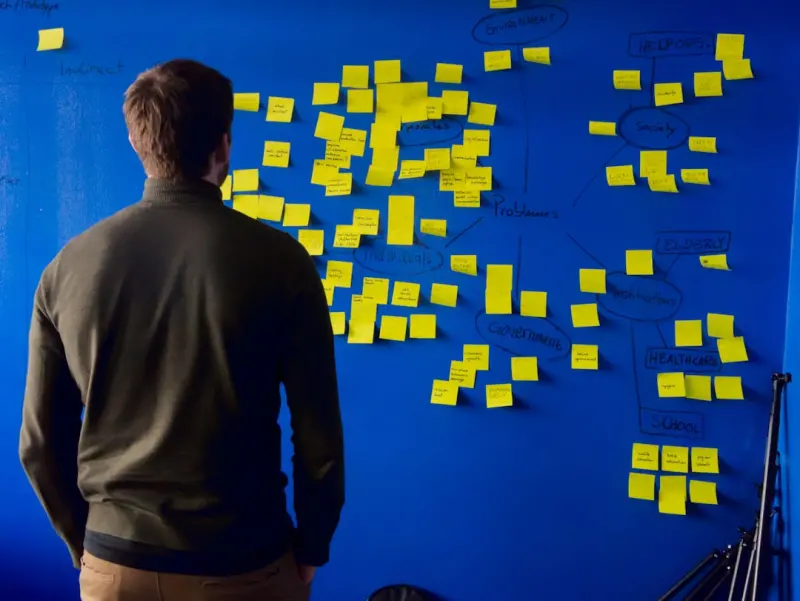
When I first tried to spark a new series of podcast episodes, I found myself stuck in the same old loop of “what if” and “maybe later.” Traditional brainstorming feels like a crowded room where every voice competes for attention, and often the loudest ideas drown out the subtle ones that could become breakthroughs. That tension between creative yearning and practical execution is something many creators know all too well. Over the past few months I’ve let a generative AI step in as a silent partner, and the shift has been nothing short of a creative renaissance. In this piece I’ll walk you through how AI can become the catalyst that turns vague curiosity into concrete concepts, without stealing the soul of the process.
Why Traditional Brainstorming Falls Short
Even the most seasoned teams run into the same pitfalls: groupthink, idea fatigue, and the dreaded “blank page” syndrome that settles in after the first few rounds of suggestions. When you rely solely on human memory, you’re limited by what you’ve recently read, seen, or heard, which narrows the pool of inspiration. Moreover, the logistical overhead of scheduling sessions, capturing notes, and synthesizing outcomes can sap the momentum that a fresh idea needs to blossom. I’ve watched promising projects stall because the team couldn’t break free from familiar patterns, and that frustration taught me to look beyond the conventional playbook. The missing ingredient, I realized, was a tool that could inject novelty at the speed of thought while still respecting the human element that makes any concept truly resonant.
Enter Generative AI: A New Co‑Creator
Generative AI models, especially those trained on massive corpora of text, images, and even audio, excel at surfacing connections that the human brain might overlook. By feeding a prompt that outlines a theme, a target audience, or a stylistic constraint, the AI can churn out dozens of angles in seconds—each with its own tonal flavor and structural nuance. What’s remarkable is that the output isn’t a static list; it evolves as you refine the prompt, allowing a conversational dance that mirrors real‑world brainstorming. I’ve found that the most valuable moments happen when I ask the model to “twist” an idea or “invert” a premise, prompting it to generate counter‑intuitive concepts that spark fresh perspectives. This dynamic exchange turns the AI from a mere tool into a genuine creative partner, one that can keep pace with the rapid ideation cycles demanded by today’s content‑driven landscape.
Choosing the Right AI Co‑Creator
Not every AI platform is built for ideation, and selecting the appropriate one can feel like choosing a brush for a painting. Some services excel at text generation, while others specialize in visual mock‑ups or multimodal synthesis. My go‑to lineup includes a text‑focused model for concept sketches, a visual generator for mood‑board creation, and a hybrid tool that blends audio snippets with narrative prompts. Below is a quick reference I keep on my desk:
- Textual Prompt Engine: Ideal for headline variations, tagline brainstorming, and outline drafts.
- Visual Ideation Suite: Generates mood boards, color palettes, and prototype sketches in real time.
- Multimodal Mixer: Merges sound bites, spoken word, and visual cues to spark cross‑sensory ideas.
Each of these tools brings a distinct strength, and the magic happens when you weave them together in a single workflow, allowing the AI to speak in the language that best matches the stage of your creative process.
Integrating AI into a Brainstorming Session
The workflow I’ve refined is simple yet powerful: start with a high‑level brief, feed it to the text engine, and let the AI produce a rapid list of concepts. Next, pick the most promising three and hand them to the visual suite to generate complementary imagery. Finally, feed those visual cues into the multimodal mixer to explore how sound and tone could enhance the narrative. Throughout, I keep a live document where I annotate each AI suggestion with a quick “yes, no, maybe” rating, allowing me to surface the strongest ideas instantly. The key is to treat the AI’s output as a sandbox rather than a final product; you’re constantly iterating, nudging the model with refined prompts, and letting it surprise you with twists you hadn’t considered. This loop of prompt‑generate‑refine keeps the momentum high and the creative energy flowing.
Personal Case Study: From Stagnation to Series
Last quarter I was tasked with launching a mini‑series on sustainable tech, but my initial outlines felt stale. I entered a prompt that combined “future of renewable energy” with “unexpected everyday hacks,” and the AI returned a list that included “solar‑powered garden sculptures” and “DIY wind‑turbine art installations.” Those quirky angles sparked a whole new narrative arc that blended practical tips with visual storytelling. Using the visual suite, I generated mock‑ups of the garden sculptures, which then inspired a short audio vignette of a city park buzzing with wind‑driven kinetic art. The final series not only garnered higher engagement than my previous work but also opened doors to partnerships with eco‑design firms. This experience cemented my belief that AI, when used responsibly, can act as the catalyst that turns a vague concept into a vibrant, multi‑dimensional project.
Managing Bias and Ensuring Originality
One cautionary note: generative AI inherits the biases present in its training data, which can lead to repetitive tropes or culturally insensitive suggestions. To mitigate this, I always cross‑reference AI ideas with diverse sources, and I inject counter‑prompts that explicitly ask the model to avoid clichés. Another safeguard is to run the AI’s output through plagiarism detectors and originality checks, ensuring that the final concepts are truly unique. By maintaining a critical eye and deliberately steering the model away from overused patterns, you preserve the authenticity of your voice while still benefiting from the AI’s expansive knowledge base. This balance is essential for creators who value both innovation and integrity.
Measuring Success and Iterating
After deploying AI‑augmented ideas, the next step is to evaluate their impact using concrete metrics. I track engagement rates, conversion funnels, and audience sentiment, then feed those insights back into the AI to refine future prompts. For content‑heavy projects, I often reference Semantic SEO principles to align the generated copy with search intent, ensuring that the ideas not only resonate with readers but also rank well. Additionally, I’ve experimented with Gemini AI to automate A/B testing of headlines, allowing the model to suggest data‑driven tweaks in real time. By treating the AI as a learning partner rather than a one‑off tool, you create a feedback loop that continuously elevates the quality and relevance of your creative output.
Future Trends: Multimodal Ideation and Beyond
The horizon for AI‑driven brainstorming is expanding rapidly, with emerging models capable of generating text, images, video, and even 3D assets from a single prompt. Imagine a scenario where you describe a product concept, and the AI instantly produces a storyboard, a prototype rendering, and a voice‑over script—all synchronized to a shared creative brief. As these multimodal systems mature, the barrier between ideation and prototyping will shrink dramatically, allowing creators to move from spark to showcase in minutes rather than weeks. Moreover, the integration of real‑time collaboration tools means entire teams can interact with the AI simultaneously, fostering a shared creative rhythm that transcends geographic boundaries. Keeping an eye on these developments will ensure you remain at the forefront of the AI‑augmented creative economy.
Closing Thoughts
At its core, AI should never replace the human spark that makes ideas meaningful; it should amplify it, providing fresh lenses and accelerating the path from thought to execution. By embracing generative models as collaborative partners—while staying vigilant about bias, originality, and measurable impact—you unlock a new tier of creative velocity that can set your work apart in a crowded marketplace. I encourage you to experiment with a simple prompt today, iterate with the tools that best fit your workflow, and watch as the AI gently nudges you toward ideas you might never have imagined on your own. The future of brainstorming is here, and it’s waiting for you to invite it into the conversation.

Shawn DesRochers is a certified Microsoft technician and Programmer with 30+ year's experience. He has written many reviews on computer related products, software, and SEO related topics. When he's not writing reviews he can be found at one of the Oldest Directories Online Business Directory USA which he is the CEO of.
Related Posts
Building a Digital Second Brain: How AI Turns Your Notes into Actionable Insight
Learn how an AI‑driven digital second brain can organize your ideas, connect insights, and become ... Read More

Unlocking the Power of AI‑Driven Knowledge Graphs for SaaS Teams
AI‑driven knowledge graphs connect fragmented SaaS data into a living map, enabling faster insight... Read More

AI as the Corporate Librarian: Unlocking Hidden Knowledge
Learn how an AI‑powered corporate librarian can capture scattered expertise across your SaaS organ... Read More
Top Posts

Micro‑Movements at the Desk: Tiny Actions, Big Health Gains
Learn practical micro‑movement routines, tech tools, and nutrition tips to keep your body and mind thriving while working at a desk....Read More

5 Unexpected Ways to Refresh Your Home This Season
A fresh home doesn’t require a full remodel. Explore ten practical, research‑backed tips—like creating a quiet nook, maximizing vertical space, and improv...Read More
Conversational Commerce: Turning Chat Into Closed Deals
Conversational commerce is the new bridge between marketing and sales, using AI‑driven, human‑centric dialogues to turn casual website visitors into qualifi...Read More

The Nomadic Executive: Crafting High‑Performance Travel in a Hyper‑Connected World
Travel for senior leaders is an extension of the office, not a break. This article shares a strategic framework for turning business trips into high‑performan...Read More
0 Comments
Post Comment
You will need to Login or Register to comment on this post!