
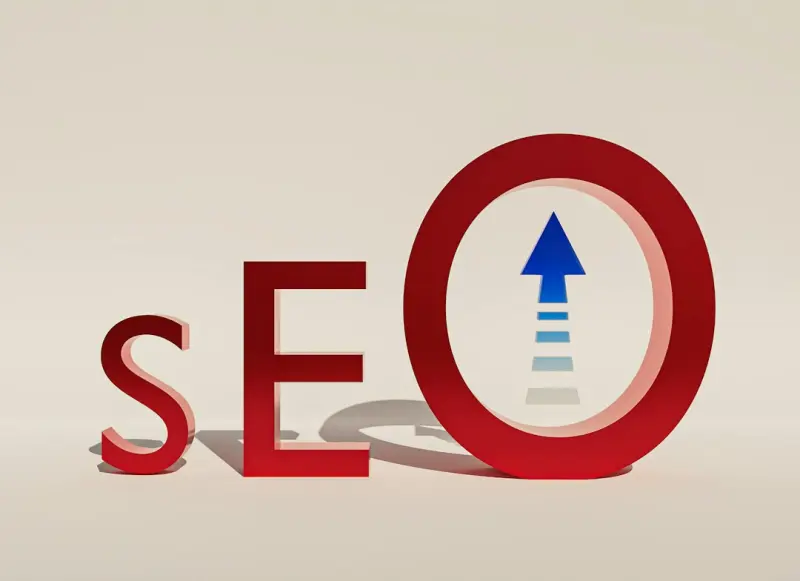
Why Zero‑Click Search is the New Frontier for SaaS Brands
When I first started digging into search data for our SaaS products, I expected the classic funnel: impression → click → conversion. The reality, however, is shifting dramatically. Google’s SERP is evolving into a self‑service knowledge hub, and a growing share of queries are answered right on the page—no click required. This “zero‑click” phenomenon isn’t a gimmick; it’s a structural change that forces us to rethink how we capture value from search traffic.
The Anatomy of a Zero‑Click Result
Zero‑click results come in several flavors:
- Featured snippets that surface a concise answer directly under the query.
- People also ask (PAA) panels that let users jump from question to question without leaving Google.
- Knowledge panels and entity cards that aggregate brand‑level facts.
- Local packs and review snippets that summarize location‑based intent.
For SaaS companies, the most relevant are featured snippets and PAA blocks because they let us present product definitions, pricing models, or usage tips right where the prospect is looking. The key is to own the snippet, not just the link.
Why It Matters for SaaS
Our buyers are increasingly research‑driven. A product‑manager might type “how to automate onboarding for SaaS” and instantly see a step‑by‑step list without ever clicking through to a blog. If that list is pulled from your own content, you’ve just become the source of truth—and you’ve earned brand equity without a click.
Zero‑click SERPs also shift the metrics we track. Traditional SEO dashboards focus on clicks, impressions, and CTR. In a zero‑click world you need to measure:
- Snippet impressions: How often Google displays your content in a featured snippet.
- Engagement lift: Increases in brand‑level searches (e.g., “Company X pricing”) after snippet acquisition.
- Indirect conversions: Leads generated from downstream actions like newsletter sign‑ups that happen after a user sees your snippet.
Building Content That Earns Snippets
Snippets reward clarity and structure. Here’s a repeatable framework I use when drafting any piece that could become a featured answer:
- Identify a precise query intent. Use keyword tools to surface questions that start with “how,” “what,” or “why.”
- Answer in 40–55 words. Google prefers concise, factual answers that can fit into a single paragraph.
- Use HTML markup. Wrap your answer in
<h2>or<h3>tags and follow schema.org’sFAQPageorHowTotypes to signal relevance. - Include bullet or numbered lists. Lists are highly snackable and often get lifted into PAA blocks.
- Back it up with authority. Cite reputable sources, link to your own product docs, and ensure the page has strong internal linking signals.
When you apply this pattern to a core SaaS topic—say, “How to calculate churn rate for subscription businesses”—you create a piece that’s both useful to humans and primed for Google.
Integrating Zero‑Click Strategy with Product‑Driven SEO
Our search‑driven product strategy taught us that SEO shouldn’t be an afterthought; it should shape the product roadmap. Zero‑click optimization flips that idea on its head: the SERP becomes a product touchpoint. When a prospective user sees a snippet that explains your pricing tiers, you’ve just delivered a mini‑product demo.
To make this work, align product managers, content marketers, and engineers around three shared goals:
- Snippet‑first content planning. Before building a new feature page, ask: “What question will this answer on Google?”
- Data‑driven iteration. Use Search Console’s Positions report to spot queries where you rank 0–3 and experiment with richer markup.
- Cross‑functional ownership. Assign a “snippet champion” who ensures the content stays up‑to‑date as product features evolve.
Technical Foundations: Schema, Structured Data, and Speed
Google’s algorithmic confidence in serving a snippet rests on two technical pillars: structured data and page speed. Deploying schema.org markup tells Google the exact meaning of your content, while a sub‑second load time signals reliability.
If you’re already exploring AI‑enhanced development, the Google AI‑powered developer suite offers tools that automatically generate JSON‑LD snippets for product pages. Pair that with a CDN and lazy‑loading assets, and you create a performance‑first environment that Google loves.
Leveraging Internal Linking to Boost Snippet Authority
Internal linking is often the unsung hero of zero‑click SEO. When a high‑authority page links to a candidate snippet page using descriptive anchor text, you signal relevance and pass link equity. Consider building a “hub‑and‑spoke” architecture where a central “SaaS SEO Playbook” page links out to deep‑dive articles on churn, pricing, and onboarding. Each of those deep dives can then become a snippet candidate, while the hub accumulates the collective authority.
Don’t forget to audit for orphan pages—any content that isn’t linked from elsewhere is unlikely to surface in a snippet, no matter how well‑written it is.
Measuring Success Beyond Clicks
Traditional SEO KPIs still matter, but they need to be supplemented with zero‑click metrics:
| Metric | Why It Matters |
|---|---|
| Snippet impressions | Shows how often Google trusts your content as an answer. |
| Brand‑search lift | Indicates that users are associating your name with the solution. |
| Lead form conversions from “no‑click” pages | Tracks the indirect revenue impact of snippet exposure. |
| Time‑on‑page for snippet visitors | Helps differentiate between casual browsers and engaged prospects. |
Set quarterly targets for each metric, and treat a dip in snippet impressions as a signal to refresh the underlying content.
Future‑Proofing: Preparing for AI‑Generated SERPs
We’re on the cusp of a new era where large language models (LLMs) generate synthesized answers that blend multiple sources. In that scenario, owning a high‑quality, well‑structured snippet will be more important than ever—LLMs will likely pull from the most authoritative, schema‑rich content available.
To stay ahead:
- Maintain canonical versions. Ensure each piece of knowledge lives in a single URL to avoid duplication.
- Invest in content freshness. AI models weigh recent information heavily; schedule regular audits.
- Monitor model‑specific SERP features. As Google experiments with AI‑driven answer boxes, watch for new placement opportunities.
Action Plan: 7 Steps to Capture Zero‑Click Real Estate
- Audit existing content. Identify pages with high impressions but low CTR—prime candidates for snippet optimization.
- Map high‑value questions. Use tools like AnswerThePublic or SEMrush’s topic research to compile a list of 20‑30 target queries.
- Rewrite for brevity. Convert long‑form answers into crisp, 50‑word blocks, supplemented by bullet points.
- Apply schema markup. Add
FAQPageorHowToJSON‑LD where appropriate. - Boost internal link equity. Link from your product hub, pricing pages, and blog posts using keyword‑rich anchor text.
- Measure and iterate. Track snippet impressions in Search Console and adjust content every 30‑45 days.
- Scale with AI tools. Leverage the Google AI developer suite or other LLM‑assisted writers to produce snippet‑ready drafts at scale.
By following this roadmap, SaaS teams can transform zero‑click search from a threat into a revenue‑generating asset.
Final Thoughts: Embrace the No‑Click Mindset
Zero‑click search is not a gimmick; it’s the logical outcome of an ecosystem that rewards immediate answers. For SaaS companies, the payoff is twofold: you gain brand authority by becoming the go‑to source for specific queries, and you capture leads that would otherwise be lost in the click‑less void. The future belongs to those who see the SERP as a product interface—not just a gateway to one.

Shawn DesRochers is a certified Microsoft technician and Programmer with 30+ year's experience. He has written many reviews on computer related products, software, and SEO related topics. When he's not writing reviews he can be found at one of the Oldest Directories Online Business Directory USA which he is the CEO of.
Related Posts
Think Like a Search Engine: A New SEO Blueprint for SaaS
A fresh SEO approach for SaaS: start with the user’s problem, craft answer‑first pages, embed st... Read More

Beyond Keywords: Harnessing Structured Data to Own Voice Search
Learn why voice search demands more than keywords and how to use structured data to dominate convers... Read More
Beyond Keywords: Intent‑Centric SEO for B2B SaaS Growth
Traditional keyword‑focused SEO is outdated. This post shows how to build an intent‑centric cont... Read More
Top Posts
Why Eating with Your Body Clock Beats Any Diet Trend
Learn the science of chrononutrition and how timing your meals to your internal clock can transform energy levels, weight management, and overall well‑being....Read More

Brightening Your Home: A Practical Guide to Harnessing Natural Light
Learn simple, expert‑approved ways to maximize natural sunlight in every room, from window audits to mirror tricks, and enjoy a more spacious, energy‑smart ...Read More
Navigating Google’s AI Tsunami: Rose DesRochers’ Front‑Row Perspective
Rose DesRochers shares a front‑row perspective on Google’s AI wave, offering practical tactics, ethical insights, and a 2024 outlook for marketers navigatin...Read More

Micro‑Movements: The Hidden Health Boost You’re Overlooking
Unlock the power of micro‑movements—simple, frequent motions that boost metabolism, improve mood, and keep you healthy all day long....Read More
0 Comments
Post Comment
You will need to Login or Register to comment on this post!