
Understanding the Zero‑Click Phenomenon
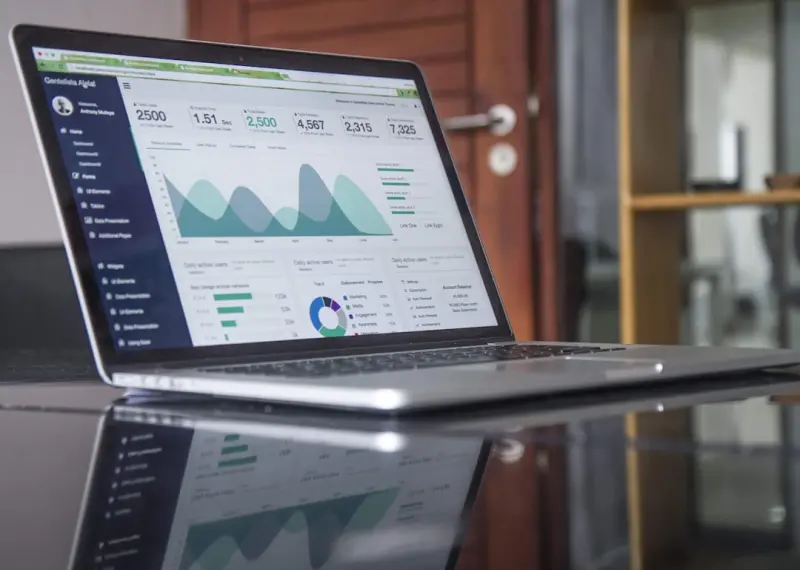
In today’s search landscape, users often leave the results page satisfied without ever clicking a link, a trend known as zero‑click search that has accelerated as Google rolls out richer SERP features; this shift challenges marketers to rethink the very definition of “traffic” and forces brands to compete for attention within the search engine itself rather than on their own sites. Featured snippets, knowledge panels, and instant answers now occupy the prime real estate atop the results, delivering concise, actionable information directly in the browser, which means the traditional funnel that begins with a click is no longer the default entry point for many queries. For digital marketers, the imperative is clear: if a user finds what they need without clicking, the brand must still be the source, and the metrics of success must evolve from click‑through rates to impression‑based authority and relevance.
Why Click‑Based Metrics Are Losing Their Edge
Historically, the health of a campaign was measured by click‑through rates, bounce rates, and session duration, but as Google’s answer boxes and rich snippets satisfy intent instantly, these numbers can plummet even while brand visibility soars, leaving marketers with a paradox where a drop in clicks actually signals a win in brand positioning; this reality forces a pivot toward impression share, SERP dominance, and brand recall as the true performance indicators. Moreover, the rise of voice assistants and mobile search amplifies the zero‑click effect, because spoken queries often return a single spoken answer or a featured snippet that the user consumes without ever seeing a list of links, further eroding the relevance of click‑centric KPIs. To stay competitive, marketers must adopt a mindset that values being the trusted source in the answer, not just the gateway to a landing page.
Claiming SERP Real Estate with Structured Data
One of the most effective ways to win zero‑click visibility is to implement comprehensive structured data markup, which signals to Google the context and hierarchy of your content, enabling the engine to surface it as a featured snippet, FAQ box, or even a product carousel; by leveraging schema types such as Article, FAQPage, and Product, you give the algorithm the precise signals it needs to understand and display your information directly on the results page. In addition to schema, crafting concise, question‑driven headings and bullet‑point answers that mirror the language of user intent increases the likelihood of selection, because Google’s natural language processing models favor content that directly addresses the query in a clear, succinct format. Pairing these tactics with a robust internal linking strategy and a solid content audit ensures that every piece of valuable information has the best chance of being elevated to a zero‑click position.
Content Formats That Thrive in a Click‑Free Environment
While text remains foundational, diversifying into rich media such as short videos, infographics, and data tables can dramatically improve your odds of appearing in zero‑click slots, as Google increasingly favors visual answers for queries like “how to tie a knot” or “daily calorie intake”; embedding a 60‑second explainer video with a transcript optimized for target keywords can earn a video carousel placement, delivering brand exposure without a single click. Similarly, well‑structured tables that answer comparative questions—think “best DSLR under $1000” or “monthly cost of cloud storage plans”—are prime candidates for the new “table” format that appears directly in the SERP, providing users with immediate, scannable data. By treating each piece of content as a potential answer unit, marketers can systematically expand their footprint across the search results, turning every asset into a silent sales rep that works around the clock.
Measuring Success Beyond Clicks
When clicks are no longer the primary currency, impression‑based metrics become the new benchmark, and tools like Google Search Console offer granular data on how often your pages appear in featured snippets, top‑stories, or knowledge panels, allowing you to quantify brand exposure even when users never leave the SERP; tracking impression share, average position, and the “click‑less” CTR helps you understand the real impact of your zero‑click assets. In parallel, brand lift studies, social listening, and referral traffic from SERP‑derived brand mentions can provide a holistic view of how zero‑click visibility translates into offline actions, such as phone inquiries, store visits, or direct purchases via alternative channels. By integrating these non‑click KPIs into your reporting dashboard, you demonstrate to stakeholders that visibility and authority are delivering tangible business outcomes, even in a landscape where traditional click metrics may appear flat or declining.
Leveraging Knowledge Graphs for Authority
Securing a spot in Google’s Knowledge Graph is akin to earning a digital trophy for brand authority, as it places your business’s essential facts—logo, headquarters, leadership, and key services—front and center, often before any organic results, effectively turning the SERP into a brand billboard; achieving this status requires a combination of verified Google My Business listings, consistent NAP (Name, Address, Phone) data across the web, and authoritative backlinks from reputable sources. Additionally, contributing to Wikipedia, Wikidata, and other structured data repositories can reinforce your entity’s credibility, prompting Google to pull your information into the Knowledge Panel and further solidify zero‑click dominance. Pairing these efforts with a commitment to Sustainable Search practices—such as optimizing for energy‑efficient queries and reducing unnecessary page loads—signals to the algorithm that your brand aligns with broader user and environmental values, a factor that increasingly influences how Google curates its answer boxes.
The Future: AI‑Generated Answers and Voice Assistants
As generative AI models become more integrated into search, the line between human‑authored snippets and AI‑crafted answers blurs, meaning brands must now focus on feeding accurate, high‑quality data that AI can safely cite, lest misinformation dilute your authority; this shift underscores the importance of maintaining up‑to‑date, fact‑checked content and leveraging schema to guide AI in selecting the correct information. Voice assistants like Google Assistant and Alexa amplify the zero‑click effect by delivering spoken answers that users consume without visual interaction, which challenges marketers to optimize for conversational queries, natural language phrasing, and concise, answer‑ready content that can be read aloud clearly. Preparing for this AI‑first future involves investing in knowledge‑graph enrichment, continuous schema audits, and a proactive approach to monitoring how AI platforms surface your brand, ensuring you remain the trusted voice in both visual and auditory search experiences.
Actionable Checklist for Zero‑Click Success
Start by conducting a SERP audit to identify which of your target keywords already trigger featured snippets or knowledge panels, then prioritize those that align with high‑intent commercial goals; next, implement comprehensive schema markup across all cornerstone content, focusing on FAQ, How‑To, and Product schemas where applicable, and verify the markup using Google’s Rich Results Test. Follow up with a content overhaul that rewrites headings and introductions into clear, question‑answer formats, adds concise bullet points, and incorporates relevant visuals such as infographics or short videos that can be indexed as answer units. Finally, set up a monitoring system in Google Search Console to track impression share, zero‑click CTR, and any changes in Knowledge Panel presence, adjusting your strategy quarterly based on data‑driven insights. By treating each SERP slot as a mini‑landing page, you transform zero‑click search from a challenge into a powerful brand‑building opportunity.

Margaret Thomson is a seasoned freelance writer specializing in the dynamic worlds of marketing and advertising. With a career deeply rooted in the marketing field, Margaret brings a wealth of practical experience and insightful knowledge to her writing.
Related Posts

The Ephemeral Edge: Turning 24‑Hour Stories into Long‑Term Growth
Learn why short‑lived stories are a powerful growth tool, how to measure their impact, and practic... Read More

Why Audio‑First Is the Next Frontier in B2B SaaS Marketing
Audio is reshaping B2B SaaS marketing by delivering deep, personal connections through podcasts, voi... Read More
The Voice Search Revolution: How B2B SaaS Marketers Can Get Ahead
Voice search is rapidly becoming a core touchpoint for B2B buyers. This article outlines a complete ... Read More
Top Posts

Preparing for the Quantum Age: Why Quantum‑Safe Encryption Matters
A deep dive into the emerging threat of quantum computers on current encryption and the practical steps organizations must take to adopt quantum‑resistant cry...Read More

Turning Play into Profit: Gamified Lead Generation for B2B SaaS
Gamification turns routine B2B SaaS lead generation into an engaging, reward‑driven journey. Learn how points, badges, and leaderboards can boost conversions,...Read More
Riding the Wave: How Google’s Generative AI Is Redefining B2B SaaS Discovery
Google’s new generative search experience is compressing the B2B SaaS buyer’s journey into a single AI‑curated answer. Learn how to structure content, lev...Read More

Wander with a Sketchbook: Turning Trips into Living Art
Explore the art of traveling with a sketchbook—choose your medium, find hidden inspiration, and turn every journey into a visual story that lasts beyond the t...Read More
0 Comments
Post Comment
You will need to Login or Register to comment on this post!