
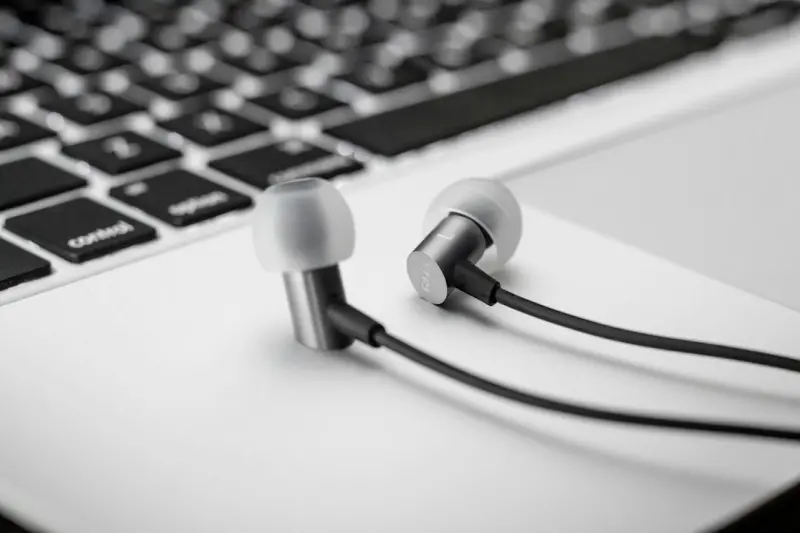
Why Audio‑First Strategies Are Redefining B2B Digital Marketing
When most marketers talk about “the next big thing,” the conversation instantly drifts toward visual platforms, AI‑driven automation, or the latest social network algorithm. I’ve been listening (literally) to a different rhythm for the past year—a steady surge of audio consumption that’s reshaping how B2B SaaS companies attract, nurture, and close leads. The rise of podcasts, voice‑search optimization, and on‑demand audio experiences isn’t just a fad; it’s an emerging distribution channel that rewards brands willing to think beyond the screen.
The Auditory Landscape: More Than Background Noise
Consider the modern professional’s day: a commute (or a walk to the home office), a gym session, a coffee break, even a quick run to the printer. In each of those moments, a smartphone or smart speaker becomes the primary medium for information. According to recent studies, over 60 % of B2B buyers now listen to at least one industry‑related podcast each week, and 30 % of them start their research with voice queries rather than typed searches. That’s a seismic shift in attention economics. Where visual content used to dominate the top of the funnel, audio is now capturing the mind at the very moment decision‑makers are most receptive.
Why Audio Works for B2B: Trust, Depth, and Human Connection
Unlike a static banner or a short‑form video, audio allows you to convey nuance, personality, and expertise without the distraction of visuals. In a world where trust is earned through thought leadership, the human voice can be a powerful ally:
- Authenticity: A conversational tone feels less scripted than a polished video, building credibility faster.
- Depth of Content: A 30‑minute interview can dive deeper into technical topics than a 2‑minute blog post, positioning your brand as a true authority.
- Multi‑Tasking Friendly: Listeners can consume content while driving, exercising, or handling routine tasks—moments that would be dead weight for visual media.
Building an Audio‑First Funnel
Transitioning to an audio‑centric approach doesn’t mean abandoning your existing channels. Think of audio as a new layer that integrates seamlessly with your current funnel:
- Awareness: Launch a podcast series that tackles industry pain points. Invite customers, partners, and even competitors to discuss trends. Promote episodes through LinkedIn posts, newsletters, and paid sponsorships on relevant podcast platforms.
- Consideration: Offer “audio deep‑dives” – downloadable MP3s that accompany case studies or whitepapers. Pair them with transcripts and SEO‑optimized show notes to capture search traffic.
- Decision: Use voice‑enabled demos. Integrate with smart speakers so prospects can ask the device to walk them through a product feature in real time.
- Retention: Deliver a quarterly “customer success” audio newsletter that highlights new use‑cases, product tips, and upcoming webinars.
Voice Search Optimization: The Missing Piece in Your SEO Strategy
It’s easy to think of voice search as a consumer‑focused tactic, but B2B buyers are increasingly using voice assistants to research vendors, compare solutions, and even schedule demos. Optimizing for voice means:
- Focusing on conversational, long‑tail keywords (e.g., “best low‑code integration platform for fintech”).
- Structuring content with clear, concise answers that can be read aloud by a digital assistant.
- Ensuring your website’s schema markup includes FAQ and How‑To sections, giving search engines the context they need to surface your audio answers.
For a deeper dive into leveraging structured content for search visibility, see our guide on SEO goldmine in API documentation. The principles of semantic richness apply just as well to voice queries.
Podcast Production on a SaaS Budget
Many teams assume that producing a high‑quality podcast requires a studio, a host with a deep voice, and a massive marketing spend. That’s not true. Here’s a lean workflow that fits a typical B2B SaaS budget:
- Planning: Map out a content calendar that aligns with product releases and industry events. Each episode should address a specific buyer persona challenge.
- Recording: Use a USB condenser microphone (e.g., Audio‑Technica AT2020) and free software like Audacity. Record in a quiet room with soft furnishings to minimize echo.
- Editing: Trim silences, add intro/outro music, and embed a short call‑to‑action. Keep episodes under 25 minutes for optimal listener retention.
- Distribution: Host on platforms like Anchor or Libsyn, which push episodes to Apple Podcasts, Spotify, and Google Podcasts automatically.
- Promotion: Repurpose audio snippets into short videos, embed players in blog posts, and share transcripts on LinkedIn and your company site.
Integrating Audio with Existing Content Assets
One of the most efficient ways to expand your audio footprint is to convert existing high‑performing content into audio formats. Take a well‑ranked blog post about “optimizing API performance”—record a 10‑minute audio summary and publish it as an episode. The SEO benefits compound: you now have a written page, a video (if you add visuals), and an audio file all targeting the same keyword cluster.
Measuring Success: Metrics That Matter
Just as you’d track click‑through rates for email campaigns, audio has its own set of performance indicators:
- Downloads & Streams: The raw volume of consumption per episode.
- Retention Rate: Percentage of listeners who make it past the midpoint—crucial for assessing content relevance.
- Call‑to‑Action Conversions: Track link clicks from show notes, promo codes spoken in the episode, or scheduled demo requests after listening.
- Voice Search Rankings: Monitor keyword positions for conversational queries in Google’s SERPs.
Integrating these metrics into your existing analytics stack (e.g., using a Composable Architecture approach) allows you to iterate quickly and tie audio performance directly to revenue outcomes.
Case Study: Turning a Technical Whitepaper into an Audio Series
A mid‑size SaaS provider recently faced a plateau in whitepaper downloads. Their solution? Split the 30‑page document into a three‑part audio series, each episode focusing on a specific implementation challenge. They paired each episode with a downloadable transcript and an embedded quiz.
Results after six weeks:
- Whitepaper download rate increased by 45 %.
- Average time on site rose from 1:30 minutes to 4:20 minutes.
- Qualified leads grew by 22 %, with a notable lift in demo requests from listeners who completed the quiz.
This experiment underscores the synergy between audio and traditional assets—one amplifies the other.
Future‑Proofing Your Audio Strategy
The audio ecosystem is still evolving. Emerging technologies such as dynamic ad insertion, voice‑activated interactive demos, and even spatial audio for immersive experiences will soon become mainstream. To stay ahead:
- Invest in a modular content management system that can store and repurpose audio assets across channels.
- Experiment with short‑form “audio reels” for platforms like LinkedIn and Instagram Reels, where a 60‑second voice clip can tease a longer episode.
- Monitor emerging platforms (e.g., Clubhouse‑style B2B rooms) for community‑building opportunities.
Final Thoughts
Audio is no longer an afterthought; it’s a strategic channel that can drive awareness, nurture leads, and solidify relationships—all while fitting naturally into the busy lives of B2B decision‑makers. By adopting an audio‑first mindset, aligning production with your existing content roadmap, and measuring impact with the right metrics, you’ll unlock a new dimension of engagement that rivals—even surpasses—traditional visual tactics.
Ready to give your brand a voice? Start small, stay consistent, and let the sound of expertise be the magnet that draws prospects into your ecosystem.

Paul Flynn is a versatile freelance writer equipped with a diverse skillset and a portfolio that reflects his wide-ranging interests and expertise. From crafting compelling website copy and engaging blog posts to delivering in-depth articles and meticulously researched reports, Flynn demonstrates a remarkable ability to adapt his writing style to suit various audiences and purposes.
Related Posts

Real‑Time Sentiment: The Secret Engine Driving Modern Digital Marketing
Learn how real‑time sentiment data can turn static ads into adaptive experiences, boost ROI, and f... Read More

Micro‑Influencer Coalitions: A New Engine for B2B Digital Marketing Success
Micro‑influencer coalitions bring together niche experts to create authentic, data‑rich content ... Read More

Ephemeral Content Strategies: How Brands Win With 24‑Hour Stories
Learn how fleeting, 24‑hour stories can create urgency, drive conversions, and become a core pilla... Read More
Top Posts

Building an Ethical AI Playbook for SaaS Leaders
A six‑step, actionable framework guides SaaS leaders to weave fairness, transparency, and accountability into AI features, turning ethics into a strategic adv...Read More

Cracking the Code: How Structured Data Supercharges B2B SaaS SEO
Learn why structured data is essential for B2B SaaS SEO, how to implement schema markup effectively, and the measurable impact it can have on rankings, click‑...Read More
Riding Google’s AI Wave: A Marketer’s Personal Perspective on Innovation
A marketer shares a personal view on Google’s AI evolution, revealing how to blend automation with authentic storytelling while staying ahead of the curve....Read More

The Welcome Mat Revolution: Transform Your Entryway for Calm & Joy
A thoughtfully designed entryway can set the emotional tone for your home. Learn practical, budget‑friendly strategies to declutter, add texture, harness natu...Read More
0 Comments
Post Comment
You will need to Login or Register to comment on this post!