
Why Messaging Apps Are the Quiet Powerhouse of Digital Marketing
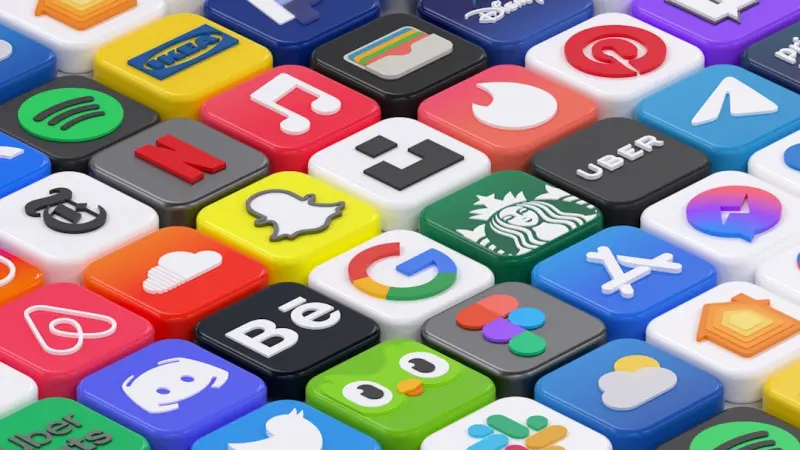
Imagine walking into a coffee shop where the barista already knows your name, your favorite brew, and the exact temperature you prefer. That intimacy feels almost magical in a world where most brand interactions still happen through generic banner ads or static email newsletters. I’ve spent the last few years watching consumers abandon traditional inboxes in favor of the immediacy of a chat bubble, and the data is undeniable: messaging apps now command more daily minutes per user than any other social platform. This shift isn’t a passing fad; it’s a structural change in how people expect to converse with brands. In this post, I’ll unpack why the silent surge of messaging platforms—WhatsApp, Facebook Messenger, Instagram Direct, even emerging regional apps—represents the most underleveraged conversion engine in today’s digital marketing toolbox.
The Unmatched Engagement Numbers Behind the Chat Bubble
The numbers paint a vivid picture. According to recent reports, over 70 percent of millennials report using a messaging app multiple times per hour, and the average response time to a brand‑initiated message is under two minutes—far quicker than email open rates, which still hover around 20 percent. Moreover, messages enjoy a 98 percent open rate, dwarfing the 20‑30 percent open rates of traditional email campaigns. These figures translate into a goldmine of real‑time engagement, where each ping can be the spark that turns a curious browser into a paying customer. The secret sauce, however, isn’t just the volume of interactions; it’s the context‑rich environment that allows brands to weave relevance into every single touchpoint.
Messaging vs. Social Media: A Different Kind of Conversation
Social platforms excel at broadcasting, but messaging excels at dialog. When a brand posts on Instagram, the audience scrolls past dozens of other stories; a message lands directly in a private inbox, interrupting the user’s flow with a one‑to‑one invitation. This personal channel reduces noise and raises the perceived value of each interaction. Users also treat messages as more trustworthy, because they come from a known contact rather than an anonymous feed. As a result, conversion rates on chat‑initiated offers routinely outpace those on click‑through ads, sometimes by double‑digit margins. Understanding this psychological shift is the first step toward designing campaigns that feel less like ads and more like genuine conversations.
Designing a Conversational Funnel That Guides, Not Pushes
Traditional funnels start with awareness, move to consideration, and finish with purchase; a conversational funnel mirrors that journey but uses a series of micro‑interactions to keep the prospect engaged. The first step is a friendly opt‑in—think a “Hey, want exclusive tips?” prompt that triggers an automated welcome sequence. Next, a series of quick‑reply buttons or carousel cards can surface product categories, allowing the user to self‑direct without feeling sold to. Finally, a live‑handoff to a human agent or a checkout link seals the deal, all within the same chat window. By breaking the process into bite‑sized, reply‑driven moments, you respect the user’s time while still nudging them toward a purchase.
Personalization at Scale: Using Context to Speak Their Language
One of the most powerful advantages of messaging is the ability to harness real‑time context—location, recent purchases, even weather—to craft hyper‑relevant offers. Leveraging a semantic clustering approach helps you group users by intent without overwhelming them with generic promotions. For example, a traveler in a rainy city might receive a “Stay dry with our waterproof jackets” suggestion, while a sunny‑day shopper sees a “Cool off with our summer tees” pitch. By feeding these clusters into automated chatbots, you can deliver personalized product recommendations, discount codes, or content that feels handcrafted, yet remains fully automated. The result is higher engagement, lower churn, and a brand voice that feels intimately attuned to each user’s moment.
Rich Media Integration: From Text to Interactive Experiences
Text alone can only carry a conversation so far. Modern messaging platforms now support rich media elements—image carousels, video snippets, interactive polls, and even immersive marketing techniques that blend augmented reality previews directly in the chat. A fashion retailer, for instance, can let a shopper virtually try on a dress by sending a short AR clip, while a travel brand can showcase a 360‑degree destination tour within a single message. These tactile experiences keep users glued to the conversation, extending dwell time and increasing the likelihood of a conversion. When combined with quick‑reply buttons and seamless payment links, the chat becomes a miniature storefront that lives in the palm of the user’s hand.
Measuring Success: Metrics That Matter in a Chat‑Centric World
Because messaging blurs the line between marketing and customer service, traditional KPIs need a refresh. Here are the core metrics you should track:
- Open Rate: Typically exceeds 90 percent, but watch for fatigue if it dips.
- Response Time: Aim for under 2 minutes to maintain conversational flow.
- Engagement Ratio: Ratio of replies to sent messages; a higher ratio signals relevance.
- Conversion Rate: Purchases or goal completions directly attributed to chat interactions.
- Customer Lifetime Value (CLV): Measure how chat‑driven relationships affect long‑term spend.
Attribution can be tricky, but integrating your CRM with the messaging platform’s API allows you to map each chat event back to a source campaign. Over time, you’ll uncover which prompts, media formats, and timing windows drive the highest ROI, enabling you to iterate with data‑backed confidence.
Case Study: A Boutique Skincare Brand’s 3‑Month Messaging Sprint
When a boutique skincare label decided to test a messenger‑first strategy, they built a three‑month pilot on Instagram Direct, leveraging quick‑reply quizzes to identify skin concerns. Users who indicated “dryness” received a carousel of hydrating serums, while “oil‑prone” participants got a video explainer on mattifying moisturizers. Within the first week, the brand saw a 42 percent lift in click‑through rates compared to their standard Instagram ads, and the overall conversion rate jumped from 3 percent to 9 percent. By the end of the pilot, the average order value increased by 27 percent, largely thanks to the ability to recommend complementary products in real time. The brand’s success illustrates how a well‑orchestrated conversational flow can transform a simple chat into a high‑value sales channel.
Future Outlook: Why Brands Must Embrace Chat or Risk Being Left Behind
The trajectory is clear: as consumers continue to favor immediacy, the line between messaging and commerce will blur even further. Emerging technologies like AI‑driven sentiment analysis and predictive intent models will allow bots to anticipate needs before a user even asks, creating a proactive service experience that feels almost psychic. Brands that invest now in building robust chatbot architectures, integrate rich media, and fine‑tune their personalization engines will not only capture more sales but also nurture deeper loyalty. The next wave of digital marketing success will be measured not by impressions, but by the quality of the conversations happening in those private inboxes. It’s time to turn those chat bubbles into cash bubbles and make messaging the cornerstone of your growth strategy.

Related Posts

Zero‑Click Search: How Brands Can Win Without a Single Click
Zero‑click search is changing the game. Learn why clicks matter less, how to secure featured snipp... Read More
The Voice Search Revolution: How B2B SaaS Marketers Can Get Ahead
Voice search is rapidly becoming a core touchpoint for B2B buyers. This article outlines a complete ... Read More

Predictive Intent Scoring: The Engine Behind Hyper‑Personalized B2B Campaigns
Predictive intent scoring turns raw behavior data into a dynamic, real‑time metric that fuels hype... Read More
Top Posts

Decentralized Identity: How Blockchain Is Redefining Online Authentication
Discover how blockchain-powered decentralized identity can transform online authentication, offering users true control, enhanced privacy, and a path toward a m...Read More

Surfing Google’s 2026 AI Wave: Insider Strategies for Modern Marketers
A seasoned marketer shares insider tactics for mastering Google’s 2026 AI wave, from Gemini‑driven content to ethical data practices and future‑proofing y...Read More

Riding the Crest of Google’s 2024 AI Wave: Rose DesRochers’ Insider Playbook
Rose DesRochers shares her insider perspective on Google’s 2024 AI wave, offering fresh SEO tactics, technical tips, and future‑focused insights for markete...Read More

Why Private Communities Are the Secret Weapon for B2B SaaS Growth
Private communities turn customers into collaborators and advocates, creating a self‑sustaining engine of growth. Learn how to build, gamify, and measure a co...Read More
0 Comments
Post Comment
You will need to Login or Register to comment on this post!