

Why Travel Should Be Treated Like a Personal Insight Engine
When I first booked a flight to the coast of Portugal, I wasn’t just looking for a beach sunset or a fresh pastel de nata. I wanted to know what the experience would reveal about my own habits, preferences, and blind spots. That curiosity sparked an experiment that has reshaped how I plan, execute, and debrief every journey: I now treat travel as a data‑driven personal insight engine.
The Moment I Realized My Trips Were Generating Goldmine Data
Like many modern travelers, I keep a packed suitcase of gadgets: a smartphone, a smartwatch, a portable charger, and a notebook that’s more habit than hobby. Over a series of weekend getaways, I started noticing patterns in the data these devices silently collected:
- My heart‑rate spikes whenever I’m navigating a bustling market.
- Location services show I linger longest at cafés with natural light.
- Expense logs reveal I’m willing to splurge on experiences that involve physical activity.
These weren’t random blips; they were actionable signals. The realization was simple yet profound: my trips were already feeding me a stream of zero‑party data—information I willingly shared, which could be harnessed to refine future adventures.
Zero‑Party Data: The Secret Sauce for Intent‑Driven Travel
In the B2B world, we hear a lot about zero‑party data as a way to bypass third‑party cookies. The same principle applies to personal travel. By intentionally collecting insights—through surveys you give yourself, habit trackers, or even a quick voice memo after a day’s highlight—you own the narrative. No algorithm decides what’s “relevant”; you do.
To get started, I built a simple zero‑party data framework for myself:
- Pre‑Trip Intent Capture: Before boarding, I answer three questions: “What am I hoping to feel?”, “Which skill do I want to practice?”, “What will I consider a win?”
- Real‑Time Signal Logging: Using my smartwatch’s stress monitor and a lightweight journal app, I jot down moments of curiosity or discomfort.
- Post‑Trip Reflection Matrix: At the end of each day, I rate experiences on a 1‑5 scale against the original intents.
This loop turns a vague desire to “have fun” into a measurable set of outcomes. Over time, the data reveals trends: perhaps I thrive in coastal towns with surf culture, or maybe I consistently feel drained in cities with aggressive advertising.
AI as Your Silent Travel Strategist
Once I had a repository of personal travel data, the next step was to let artificial intelligence do the heavy lifting. I’m not talking about generic chatbots that recommend “top 10 attractions.” I’m referring to AI that acts as a silent strategist, interpreting my data and suggesting itineraries aligned with my growth goals.
Here’s the workflow I follow:
- Data Ingestion: I feed my daily logs, heart‑rate zones, and expense categories into a personal knowledge base (a Notion database with an AI‑enabled view).
- Pattern Extraction: Using a lightweight LLM, I ask, “What activities historically boost my energy levels?” The model surfaces patterns—like morning hikes or evening museum tours.
- Itinerary Generation: I prompt the AI, “Design a three‑day itinerary in Kyoto that maximizes morning hikes and includes at least one low‑stress cultural activity.” The output is a draft that I tweak, but the heavy brainstorming is already done.
The result? Trips that feel less like a checklist and more like a custom‑crafted experiment. I no longer waste time on attractions that drain me; instead, I focus on experiences that align with my personal development metrics.
Turning Layovers Into Mini‑Insight Labs
Layovers have a notorious reputation for being wasted hours. I’ve flipped that script by treating each layover as a micro‑lab for self‑observation. For instance, during a 5‑hour stopover in Reykjavik, I set three mini‑objectives:
- Find a café with natural light and observe my focus level for 30 minutes.
- Walk a short distance to a public art installation and note emotional response.
- Grab a local snack and record taste preferences on my phone.
The insights are surprisingly granular. I discovered that natural light dramatically improves my creative flow, leading me to prioritize daylight‑rich workspaces when traveling for business. These micro‑labs also keep the “travel fatigue” factor low because each activity is purpose‑driven.
Data‑Backed Packing: Less Is More, But Smarter
Traditional packing advice often revolves around “travel light” or “bring everything you might need.” Both extremes ignore the power of data. By reviewing my past trips, I identified three categories of items that consistently add value:
- Adaptive Clothing: Layers that transition from chilly airports to warm streets.
- Modular Tech Gear: A single power bank that doubles as a wireless mouse when paired with a USB‑C hub.
- Compact Sensory Kit: A small journal, a pen, and a set of colored stickers for quick mood tagging.
Everything else—extra shoes, duplicate chargers, bulky guides—got relegated to the “don’t bring” list. The result is a suitcase that feels like a portable lab, ready to capture data without weighing me down.
Learning from Tiny Trips Without Repeating the Same Story
While I’m not revisiting the Micro‑Escapes piece directly, the concept of short, high‑impact trips inspired my approach to “insight sprints.” Think of each sprint as a 48‑hour experiment focusing on a single variable—like “food‑centric travel” or “silent meditation in a bustling city.” By isolating one variable, I can more accurately attribute outcomes to that element, refining my travel formula over time.
From Insight to Impact: Sharing Your Findings
Collecting personal data is only half the journey. The other half is translating those findings into value for others. I’ve started a small newsletter where I share anonymized patterns—like “Travelers who walk more than 10,000 steps a day report a 20% higher satisfaction rate.” These insights not only help my readership but also feed back into my own data pool, creating a virtuous cycle.
Practical Toolkit for the Data‑Curious Traveler
Ready to turn your next adventure into a personal insight engine? Here’s a starter kit:
- Wearable Tracker: Anything that logs heart‑rate, steps, and stress (Apple Watch, Whoop, Fitbit).
- Voice‑Memo App: Quick audio notes for on‑the‑go reflections.
- Lightweight Database: Notion, Airtable, or even a Google Sheet with AI‑enabled formulas.
- Prompt Library: A collection of AI prompts for data extraction, pattern recognition, and itinerary creation.
- Reflection Template: A one‑page PDF that prompts you to rate experiences against your pre‑trip intents.
Future Outlook: The Convergence of Travel, Data, and Personal Growth
Imagine a world where airlines, hotels, and destination marketers voluntarily share anonymized, opt‑in data streams that help you refine your personal travel model. While that vision may sound like a distant utopia, we’re already seeing the building blocks: open‑source travel APIs, privacy‑first data platforms, and AI assistants that respect user sovereignty.
Until then, the power rests in our hands. By treating each trip as a data point, leveraging AI as a silent strategist, and committing to intentional reflection, we can transform travel from a passive pastime into an active engine for personal development.
Final Thoughts: Embrace the Journey, Not Just the Destination
Travel has always been about stepping outside the familiar. Now, it can also be about stepping into a more data‑aware version of yourself. When you return home, you’ll not only have souvenirs but a clearer map of who you are, what energizes you, and how you can design future adventures that align with that truth. So, pack your curiosity, charge your smartwatch, and let every mile become a metric of growth.

Related Posts
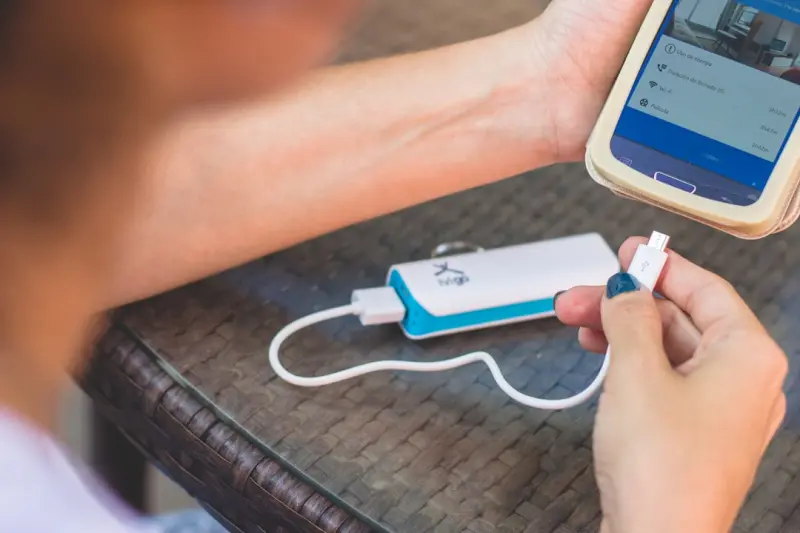
How Biofeedback and AI Are Redefining Modern Travel
Explore how wearable biofeedback and AI-powered itinerary tools are creating healthier, more persona... Read More

Beyond the Tourist Trail: Embracing Regenerative Travel for Real Impact
Regenerative travel goes beyond sustainability, focusing on actively improving destinations. Learn h... Read More
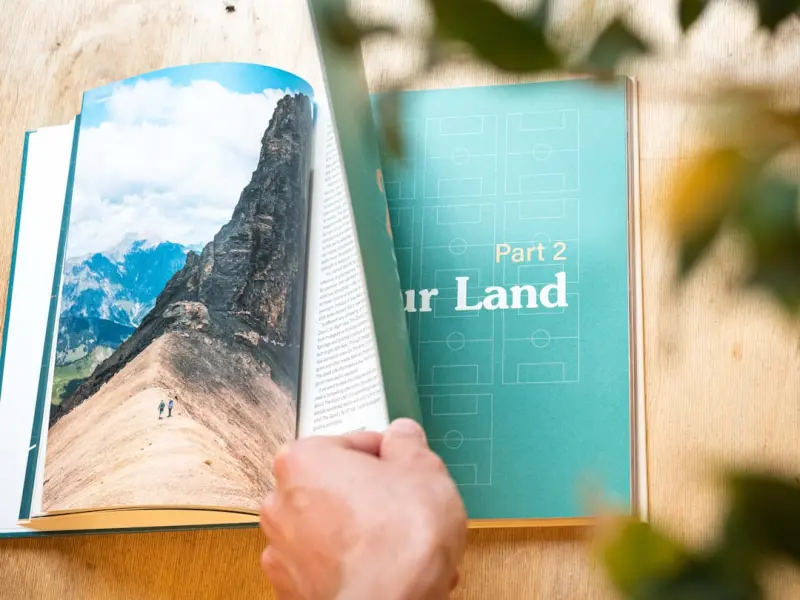
Beyond the Guidebook: Crafting Your Own Travel Narrative
Explore a fresh travel approach that treats each journey as a living story—slow adventures, train ... Read More
Top Posts

Designing Purpose‑Driven Business Retreats: How Travel Can Catalyze Team Innovation
Learn to turn ordinary business trips into purpose‑driven retreats that align with your company’s values, leverage local expertise, and deliver measurable i...Read More

Riding the 2026 Google AI Wave: Insider Insights for Modern Marketers
Explore the 2026 Google AI wave and learn insider strategies for data‑driven creativity, privacy‑first tactics, and real‑time success measurement....Read More
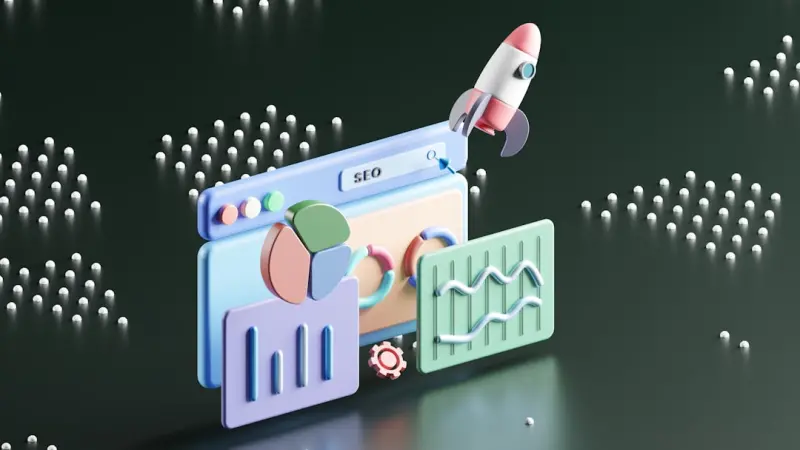
Entity‑Driven SEO: Turning Your SaaS Brand into a Knowledge Graph Powerhouse
Entity‑based SEO transforms your SaaS product into a recognizable digital fingerprint, unlocking richer search features, voice‑assistant visibility, and str...Read More

Micro‑Video Mastery: 15‑Second Clips Fuel B2B SaaS Leads
Micro‑videos are redefining B2B SaaS marketing. This guide explains why 15‑second clips work, how to produce them on a budget, integrate them into your funn...Read More
0 Comments
Post Comment
You will need to Login or Register to comment on this post!