
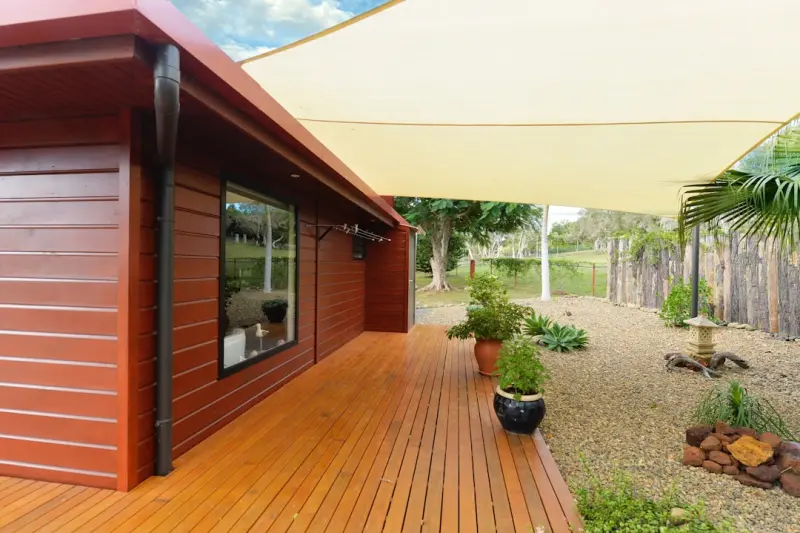
Why Flexibility Beats Fixed Design
Most homeowners still treat their living spaces like static museum exhibits, arranging furniture once and then hoping the layout will magically suit every mood, season, and activity that follows; this mindset locks rooms into a single purpose and quickly breeds frustration when a sudden need for a yoga mat, a work‑from‑home desk, or a kids‑play corner arises. By re‑imagining each room as a flexible canvas, you give yourself permission to shift pieces, swap textures, and re‑assign zones without the sense of chaos that typically accompanies change. The result is a home that feels alive, adaptable, and consistently supportive of the way you truly live.
Map Your Flow Before You Move Anything
Before you even lift a chair, walk through your home with a notebook and sketch a quick flow map that highlights high‑traffic arteries, natural light sources, and the spots where you tend to drop keys, books, or coffee mugs; this simple audit reveals hidden bottlenecks and under‑utilized corners that are perfect candidates for multi‑purpose upgrades. Once you spot these opportunities, you can experiment with moving a console table into a hallway to create a mini‑gallery or swapping a bulky sofa for a sleek sectional that folds away when you need extra floor space for a dinner party. The key is to let the existing movement patterns guide your redesign, ensuring every adjustment enhances rather than interrupts daily rhythms.
Invest in Modular Furniture That Grows With You
Modular pieces—think sectional sofas with detachable chaise lounges, stackable coffee tables, and wall‑mounted desks that can be folded up when not in use—serve as the backbone of a truly adaptable home, offering the freedom to reconfigure layouts on a whim while keeping a cohesive aesthetic. Because each component is engineered to work independently or together, you can expand a cozy reading nook into a full‑blown entertainment hub simply by adding a few extra modules, and later retreat back to the original setup without the need for costly replacements. Selecting furniture with clean lines and neutral finishes also ensures that each addition feels like a natural extension rather than a jarring afterthought.
Hide Storage in Plain Sight
One of the most satisfying ways to keep a home feeling spacious is to conceal clutter within stylish, functional storage that doubles as décor, such as ottomans with zip‑top interiors, floating shelves that house baskets, or built‑in window seats that tuck away blankets and magazines; these solutions preserve visual harmony while providing immediate access to everyday items. When you design storage that blends seamlessly with your design palette, you eliminate the visual noise that typically makes rooms feel cramped, allowing the eye to focus on the elements you truly love. Pairing hidden storage with a consistent color scheme amplifies the sense of order and makes the space feel intentionally curated.
Craft Distinct Lighting Zones for Mood Shifts
Lighting is the silent director of a room’s atmosphere, and by layering sources—ambient ceiling fixtures, task‑oriented desk lamps, and accent lights that highlight artwork—you create distinct zones that can be dialed up or down depending on the activity at hand; a bright, cool‑white setting fuels productivity, while warm, dimmed tones invite relaxation and conversation. Smart bulbs and programmable switches make it effortless to transition between scenes with a single tap, eliminating the need for multiple lamp stands or complicated wiring. Thoughtful lighting not only enhances functionality but also adds depth and drama, turning even a modest living room into a versatile stage for every part of your day.
Layer Textures to Add Depth Without Bulk
When space feels tight, visual weight can be reduced by layering lightweight textures—think a sheer linen curtain, a plush wool throw, and a woven jute rug—that create a sense of richness without adding physical bulk; each layer contributes a subtle tactile cue that encourages movement and engagement. By mixing natural materials such as wood, stone, and cotton, you introduce variety that feels organic and calming, helping the room breathe while still feeling intentional. This approach also makes it simple to swap out individual pieces seasonally, keeping the environment fresh and aligned with your personal style without a full‑scale makeover.
Integrate Low‑Key Technology for Seamless Adaptability
Modern homes benefit from discreet tech that enhances flexibility, such as wireless charging pads built into nightstands, voice‑controlled blinds that adjust natural light for work or sleep, and portable Bluetooth speakers that can be moved from the kitchen to the patio with a single click; these gadgets eliminate the need for cluttered cords and bulky equipment, preserving the clean lines essential for a flexible layout. Choosing devices that sync with a central hub allows you to program routines—like dimming lights and playing soft music when you transition from a workout to a meditation session—so the environment adapts to you rather than the other way around. By prioritizing subtle, multi‑functional technology, you keep the home sleek while gaining a powerful ally for everyday convenience.
Make Space for Personal Rituals That Evolve
Every home thrives when it reflects the evolving habits of its inhabitants, so carve out dedicated micro‑zones for rituals that matter—whether it’s a morning coffee corner by the window, a small altar for gratitude, or a quick‑change area for shoes and jackets that doubles as a mini‑gym stretch space; these pockets become anchors that ground daily routines while remaining flexible enough to shift as your needs change. The secret is to keep the elements in each zone modular and lightweight, allowing you to relocate them or repurpose the area without tearing down walls or buying new furniture. Over time, these adaptable rituals reinforce a sense of belonging and calm, turning an ordinary house into a truly personalized sanctuary.
Take the Next Step Toward a Flexible Home
Now that you have a toolbox of strategies—from modular furniture and hidden storage to layered lighting and adaptable tech—it's time to put theory into practice, starting with a single room and gradually expanding your approach as confidence builds; the journey is about incremental improvement, not an overnight overhaul, and each small change compounds into a dramatically more versatile living environment. For ongoing guidance on keeping your home in peak condition, check out our seasonal home maintenance guide, and discover additional creative ideas in fresh home hacks for a calmer, more inspired space. Embrace the freedom to redesign on the fly, and watch your home transform into a dynamic sanctuary that supports every chapter of your life.

Shawn DesRochers is a certified Microsoft technician and Programmer with 30+ year's experience. He has written many reviews on computer related products, software, and SEO related topics. When he's not writing reviews he can be found at one of the Oldest Directories Online Business Directory USA which he is the CEO of.
Related Posts
Crafting a Calm, Productive Sanctuary at Home
Discover practical steps to turn any house into a calm, productive sanctuary—zone planning, layere... Read More

Invisible Energy Savings: Simple Behavioral Tweaks for a Greener Home
Learn practical, everyday tricks to reduce phantom power, optimize temperature, and seal drafts—si... Read More

Seasonal Scenting: Transform Your Home Into a Sensory Sanctuary
Discover the art of seasonal scenting with natural, DIY-friendly recipes that enhance mood, improve ... Read More
Top Posts

When AI Becomes Your Creative Partner: Redefining Storytelling
Discover how AI can become a true creative partner, accelerating drafts, expanding perspectives, and redefining storytelling for marketers and writers alike....Read More

Reimagining Workplace Wellness: AI‑Powered Personal Health Dashboards
Explore the rise of AI‑powered personal health dashboards that blend wearable data, ambient sensors, and privacy‑first design to deliver real‑time, indivi...Read More

Riding Google’s 2026 AI Wave: A Marketer’s Insider Playbook
Explore Rose DesRochers’ insider guide to mastering Google’s 2026 AI wave—practical tactics, ethical insights, and tools that keep marketers ahead of the ...Read More

Let the Sun In: Crafting Light‑Rich Spaces for Wellness and Productivity
A step‑by‑step guide to using natural light as a wellness tool, covering morning rituals, room‑specific lighting tweaks, and budget‑friendly tech to cre...Read More
0 Comments
Post Comment
You will need to Login or Register to comment on this post!