

Why Your SEO Strategy Should Start Talking to Your Product Team
When I first walked into a product‑focused meeting at our SaaS company, the conversation was all about feature parity, user‑flows, and sprint velocity. SEO was mentioned in the same breath as “nice to have” and quickly disappeared into the background. I left that room convinced that our rankings were being treated like a decorative plant—watered occasionally, but never truly integrated into the growth engine.
Fast forward a few quarters, and the data tells a different story. Pages that rank in the top three for high‑intent keywords are delivering 30‑40% more qualified leads than any outbound campaign we run. The problem isn’t that SEO works; it’s that most SaaS teams treat it as a siloed marketing tactic rather than a source of product insight.
In this post I’ll walk you through a framework I’ve been championing at my own company: SEO‑Driven Product Development. It’s about turning the signals you get from search—what people ask, how they phrase problems, and which features they crave—into concrete product decisions. The payoff? Faster time‑to‑market on features that already have demand, a lower cost of acquisition, and a more authentic voice in the market.
The Core Premise: Search Is a Real‑Time Voice of the Market
Every query typed into Google, Bing, or even a voice assistant is a tiny data point about a problem someone is trying to solve. When you aggregate those points, patterns emerge:
- Keyword clusters reveal the language your audience uses.
- Search volume trends surface emerging pain points.
- SERP features (people also ask, featured snippets) hint at the depth of information users expect.
Think of this as a continuous, unsolicited focus group. Unlike a survey, the data is behavioral—people are actively seeking solutions, not just hypothetically answering questions.
Step 1: Map Search Intent to Your Product Roadmap
Start by pulling the top 50‑100 keywords that are already driving traffic to your site. Tools like Ahrefs, Semrush, or even Google Search Console can give you a quick snapshot. Then, categorize each keyword by search intent:
- Informational: “how to reduce churn in SaaS”
- Navigational: “CompanyName pricing page”
- Transactional: “buy SaaS analytics tool”
- Commercial investigation: “best SaaS analytics platform 2024”
What you’ll notice is a significant chunk falling into the “commercial investigation” bucket—prospects are comparing solutions, looking for feature lists, and weighing ROI. Those are the exact moments where a well‑crafted product narrative can tip the scale.
Take the top three “commercial investigation” clusters and ask:
- Which of our current features directly answer the query?
- What gaps exist between what users are searching for and what we offer?
- Can we build a quick MVP to close those gaps?
For example, if “automated onboarding for SaaS” is a high‑volume phrase, but your onboarding module is manual, that’s a clear opportunity. Instead of waiting for a quarterly planning session, you now have a data‑backed justification to prioritize it.
Step 2: Use Structured Data to Validate Feature Demand
One of the most under‑utilized SEO tools in SaaS is structured data markup. By adding FAQ or HowTo schema to product pages, you surface questions directly in the SERPs. This not only boosts click‑through rates but also provides a feedback loop: you can track which FAQ entries get the most impressions and clicks.
Let’s say you add an FAQ schema about “custom reporting dashboards”. Over the next month, you notice the “custom reporting dashboards” FAQ receives 2,500 impressions and a 12% CTR. That’s a quantifiable signal that users are actively seeking that capability. Feed that metric back into your product triage board, and you have a hard data point to argue for building or enhancing that feature.
Step 3: Align Content Teams with Product Engineers
It’s tempting to let content writers own the SEO narrative and developers ignore it. In practice, this creates a disconnect: you publish a blog that ranks well, but the product never evolves to support the demand that the content uncovers. To avoid that, establish a cross‑functional SEO guild that meets bi‑weekly.
During these sessions, the content lead shares keyword performance dashboards while the product manager presents upcoming sprints. The goal is simple: match the “what people are searching for” with “what we’re building”. When both sides speak the same language—keyword clusters, intent, and conversion metrics—you get faster iteration cycles.
Step 4: Build an SEO Dashboard for Product Stakeholders
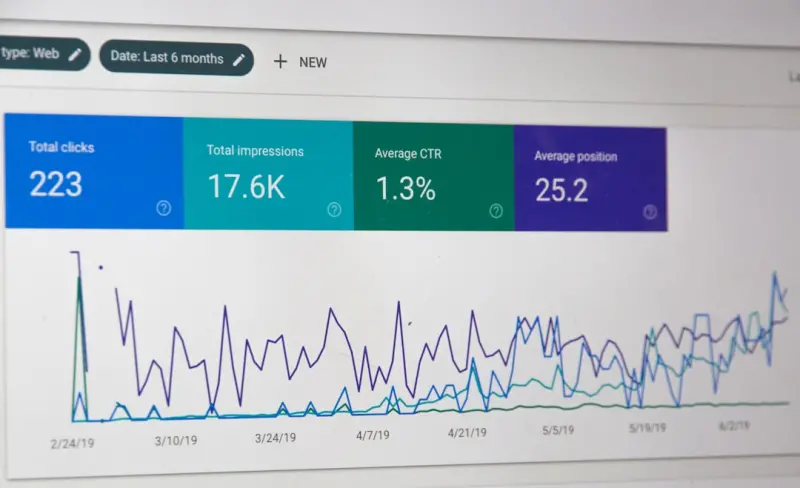
Data is only as useful as its accessibility. I built a lightweight dashboard in Google Data Studio that pulls in:
- Top‑ranking pages and their traffic trends.
- Search intent breakdowns.
- SERP feature appearances (e.g., featured snippets, People Also Ask).
- Conversion rates per organic landing page.
This visual snapshot lets product owners see, at a glance, which features are driving organic demand and which are lagging. The dashboard becomes a living document that informs backlog grooming sessions.
Need a quick way to set up collaboration tools for your team? Check out Unlocking Google Workspace for a playbook on building seamless cross‑department workflows.
Step 5: Test, Measure, Iterate
SEO is a marathon, but product development is a sprint. To reconcile the two, adopt a test‑and‑learn mindset:
- Launch a lightweight feature (e.g., a new filter in your analytics dashboard) that addresses a high‑intent query.
- Update the relevant landing page with optimized copy, schema, and internal links.
- Monitor organic traffic and conversion metrics over the next 30‑60 days.
- Iterate based on performance—double down on what works, pivot on what doesn’t.
This loop ensures you’re not just guessing what users need; you’re validating it in real time.
Case Study: From “Low‑Code Integrations” to a New Product Line
At our company, the SEO team noticed a surge in queries around “low‑code integration platforms for SaaS”. The keyword cluster was climbing at 28% month‑over‑month, and many of the top‑ranking pages were from competitors offering drag‑and‑drop connectors.
We ran the data through our SEO dashboard, added an FAQ schema, and saw that the “low‑code integrations” FAQ alone generated 3,800 impressions with a 14% CTR. Armed with this evidence, we pitched a new integration hub to the product team. Within two sprints, we released a beta version that allowed users to map data flows without writing code.
The result? A 22% lift in organic traffic to the integrations landing page and a 15% increase in MQLs from that source. It’s a textbook example of letting search intent dictate product direction.
If you’re curious about the broader implications of low‑code for SaaS, dive into Why Low‑Code Platforms Are the Unsung Heroes for a deeper dive.
Common Pitfalls and How to Avoid Them
Pitfall #1: Treating SEO as a One‑Time Project
SEO is continuous. Keyword trends shift, Google updates its algorithms, and competitor landscapes evolve. Keep your SEO‑product sync on a quarterly cadence at minimum.
Pitfall #2: Over‑Optimizing for Rankings, Ignoring User Experience
A page that ranks but has a high bounce rate isn’t delivering value. Use metrics like time on page and conversion rate to gauge whether the content truly satisfies the search intent.
Pitfall #3: Building Features Without Validation
Even if a keyword cluster looks promising, validate with a quick landing page A/B test before committing engineering resources. This reduces risk and ensures market fit.
Future‑Proofing Your SEO‑Product Strategy
Voice search, AI‑generated snippets, and the rise of search‑as‑a‑service platforms are reshaping how users discover SaaS solutions. To stay ahead:
- Optimize for conversational queries (e.g., “how can I automate my SaaS onboarding?”).
- Invest in topic clusters that map out entire user journeys, from problem awareness to solution evaluation.
- Leverage AI tools to surface emerging keyword trends before they hit mainstream search.
By embedding SEO into the DNA of your product development process, you turn every search query into a roadmap marker. It’s a competitive advantage that scales with your business—no paid ads required.
Take the First Step Today
Start small. Pick the top three commercial‑investigation keyword clusters that are already sending traffic to your site. Map them to existing or upcoming features, add structured data, and watch the synergy unfold. The next time you sit in a product planning meeting, bring the SEO dashboard to the table. You’ll be surprised how often the data does the heavy lifting.
Remember, SEO isn’t just about being found; it’s about being built for the people who are already looking for you.

David Moore is a freelance writer specializing in two dynamic and ever-evolving fields: gambling and the tech industry. With a keen eye for detail and a knack for unraveling complex topics, David delivers insightful and engaging content that keeps readers informed and entertained.
Related Posts
SEO for Subscription Sites: Unlocking Growth in the Membership Economy
A new SEO strategy designed for subscription businesses, blending structured data, conversion‑focu... Read More

Uncovering the SEO Goldmine in Your API Documentation
API documentation often sits unseen in the SEO spotlight, yet it can capture high‑intent developer... Read More

The SEO Playbook for AI‑First SaaS: Turning Intent into Revenue
Traditional keyword tactics fall short for AI‑driven SaaS. This post outlines a modern SEO framewo... Read More
Top Posts

Zero‑Click SEO: Owning the SERP Spotlight Without a Click
Zero‑click search is reshaping B2B SaaS visibility. This guide shows how semantic clusters, structured data, and visual search integration can secure top SERP...Read More

Gamified Content: The Secret Sauce for B2B Digital Marketing Engagement
Learn why turning static assets into interactive, game‑like experiences can revitalize your B2B marketing funnel, provide actionable insights, and accelerate ...Read More

Beyond Tourism: How Skill‑Sharing Volunteering Transforms Your Journeys
Explore a fresh travel approach where you trade expertise for cultural immersion, forging meaningful bonds and lasting change through skill‑sharing volunteeri...Read More

Riding Google’s AI Wave: A Marketer’s Personal Playbook
A marketer’s deep dive into Google’s AI—how it reshapes workflow, reveals hidden pitfalls, and offers a proven playbook for sustainable success....Read More
0 Comments
Post Comment
You will need to Login or Register to comment on this post!