
Why Light Is the Unsung Hero of a Happy Home
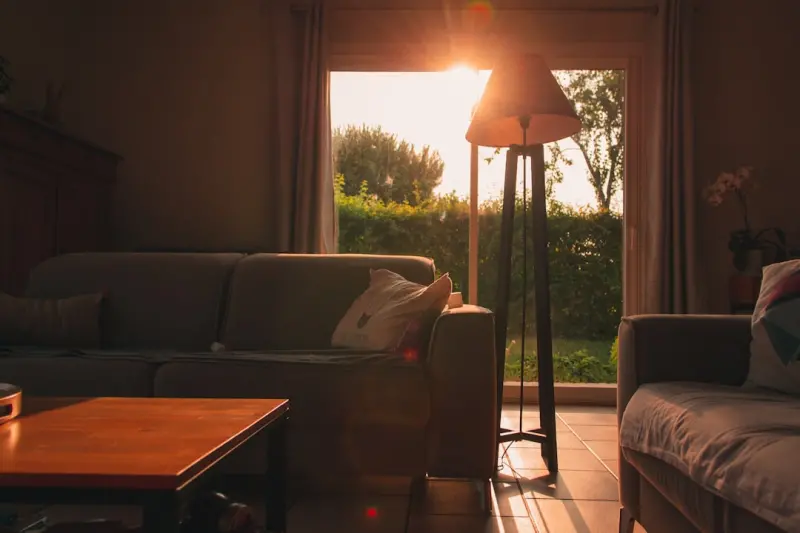
When I first opened the blinds after a long winter, the sudden flood of daylight felt like a silent therapist, instantly lifting my spirits and sharpening my focus. Natural light does more than illuminate; it regulates our circadian rhythms, boosts serotonin, and even reduces the need for artificial lighting, saving money on utility bills. By treating sunlight as a design material rather than an afterthought, we can craft spaces that feel larger, more welcoming, and energetically balanced without costly remodels.
Start With a Simple Light Audit
Begin by walking through each room at three key times—dawn, midday, and dusk—to note which windows receive direct sun, which are shaded, and where glare becomes a nuisance. Sketch a quick floor plan, marking the orientation of each window and the surrounding obstructions like trees or neighboring buildings. This visual map reveals hidden opportunities, such as repositioning a reading chair to catch the morning glow or swapping a dark rug for a lighter one to reflect more light onto the floor. A clear audit equips you with data, turning guesswork into purposeful action.
Choose Window Treatments That Invite Light
Heavy drapes and blackout curtains may look elegant, but they often imprison daylight that could otherwise energize your home. Opt for sheer fabrics, bamboo blinds, or lightweight roller shades that filter sunlight while maintaining privacy. If you love the aesthetic of layered curtains, pair a light‑sheer panel with a decorative valance to add texture without sacrificing brightness. Remember, the goal is to create a balance where light can flow freely during the day and be softened when needed, fostering a dynamic atmosphere that adapts to your schedule.
Mirror Placement: The Instant Light Amplifier
Strategically positioning mirrors opposite windows can double the amount of natural light that bounces around a room, creating the illusion of expanded space. A large floor mirror placed behind a sofa or a series of decorative wall mirrors arranged in a gallery style can reflect sunlight deep into corners that usually stay dim. When choosing frames, consider reflective metals or simple wood to keep the focus on light rather than ornamentation. This subtle trick adds visual interest while maximizing daylight without any electrical cost.
Light‑Colored Walls and Ceilings
Painting walls and ceilings in soft whites, warm beiges, or pastel tones acts like a giant diffuser, scattering incoming sunlight across surfaces. If you’re hesitant to commit to a full repaint, use light‑colored accent walls, removable wallpaper, or even large canvas prints with bright palettes to achieve a similar effect. These hues also pair well with natural textures—think jute rugs, linen throws, and reclaimed wood—creating a harmonious backdrop that amplifies the sun’s presence while keeping the space feeling cozy and grounded.
Reflective Surfaces Beyond Mirrors
Glass tabletops, polished metal fixtures, and glossy ceramic tiles are all allies in the quest for brighter interiors. A glass coffee table positioned near a window will refract light, sending sparkling patterns across the floor. Similarly, chrome lamp bases or brushed‑nickel cabinet handles catch and redirect rays, adding subtle sparkle to everyday objects. By integrating these reflective elements, you create a cascade of light that dances through the room, turning ordinary furnishings into functional light enhancers.
Seasonal Adjustments Keep Light Flowing
As the seasons shift, so does the angle of the sun, requiring periodic tweaks to maintain optimal illumination. In summer, consider using adjustable interior shades that can be lowered to reduce glare while still allowing diffuse light. In winter, pull back heavy curtains and replace them with thermal, yet sheer, liners that preserve warmth without blocking sunlight. Simple swaps—like swapping a dark rug for a lighter one during colder months—ensure your home stays bright, airy, and energy‑efficient all year round.
DIY Light Diffusers Using Everyday Materials
If you love a hands‑on approach, create custom light diffusers from inexpensive items like parchment paper, frosted acrylic sheets, or even rice paper lanterns. Cut the material to fit the dimensions of your window frame, then secure it with removable adhesive strips for a temporary yet effective solution. These diffusers soften harsh direct sunlight, reducing eye strain while still allowing ample illumination. For a decorative touch, paint the edges with a subtle wash of color that complements your interior palette, turning a functional piece into a design statement.
Putting It All Together: A Brighter, Healthier Home
By treating natural light as a core design element—through audits, thoughtful window treatments, mirror placement, reflective surfaces, and seasonal tweaks—you’ll notice an immediate uplift in mood, productivity, and energy savings. For more creative inspiration, check out Creative Home Hacks to Elevate Everyday Living and explore how simple adjustments can transform your space without a massive budget. Likewise, the guide Smart Home Refresh offers complementary strategies for maintaining an organized, serene environment. Embrace these light‑focused techniques, and watch your home become a brighter, more inviting sanctuary for every member of the household.

Sanji Patel has dedicated 25 years to the SEO industry. As an expert SEO consultant for news publishers, he emphasizes providing both technical and editorial SEO services to news publishers worldwide. He frequently speaks at conferences and events globally and offers annual guest lectures at local universities.
Related Posts

Seasonal Swaps: Refresh Your Home Without a Full Redesign
A step‑by‑step guide to seasonal swapping, showing how small, intentional changes in textiles, l... Read More

Biophilic Boost: Turn Your Home into a Wellness Sanctuary
Learn how simple, nature‑inspired tweaks—like maximizing daylight, adding air‑purifying plants... Read More

The Welcome Mat Revolution: Transform Your Entryway for Calm & Joy
A thoughtfully designed entryway can set the emotional tone for your home. Learn practical, budgetâ€... Read More
Top Posts

Humanizing Automated Outreach: Voice, Chat, and Warmth at Scale
Discover practical ways to blend voice‑first messaging and conversational AI into your automated outreach, creating warm, human‑centric experiences that boo...Read More

Federated Learning: The Privacy‑First Frontier for AI‑Powered SaaS Personalization
Federated learning enables SaaS providers to train AI models directly on user devices, preserving privacy while delivering hyper‑personalized experiences. Thi...Read More

Zero‑Party Data: The Untapped Goldmine for B2B Digital Marketers
Zero‑party data, voluntarily shared by prospects, offers a privacy‑safe, high‑intent source of insight. Learn how to collect, activate, and integrate this...Read More

Savoring the Journey: How Food Markets Redefine Travel
Discover why food markets are the ultimate travel experience, blending flavors, culture, and community into unforgettable adventures....Read More
0 Comments
Post Comment
You will need to Login or Register to comment on this post!