

Understanding the AI Surge in Google Search
When I first noticed the tremors of Google’s AI wave rippling through the search landscape, I felt the same mix of excitement and trepidation that any marketer feels when a giant reshapes the rules of the game; the algorithms are no longer static rule‑sets but living, learning entities that adapt to user intent with a speed that can make even seasoned SEOs feel outpaced. In the past twelve months, the rollout of advanced language models has turned every query into a nuanced conversation, meaning that the content we publish must speak not only to keywords but also to the subtle emotional cues hidden behind a searcher's keystrokes, and that shift has forced me to rethink every headline, meta tag, and call‑to‑action through a human‑centered lens. The reality is that Google now rewards authentic storytelling that mirrors the way people think and speak, so the old playbook of keyword stuffing and link farms feels as outdated as a floppy disk in a cloud‑first world.
The most striking change is the way Google evaluates relevance; instead of matching exact phrases, the AI evaluates semantic similarity, context, and the perceived expertise behind each piece of content, which means that a single well‑crafted paragraph can outrank dozens of shallow articles that merely repeat a phrase. This evolution has nudged me to invest heavily in research that uncovers the true questions behind user intent, allowing me to craft answers that feel like a conversation with a trusted friend rather than a robotic FAQ page. As a result, my workflow now includes a dedicated “intent‑mapping” session before any keyword research, ensuring that every piece of content begins with a clear human problem before the AI even has a chance to interpret it.
At the same time, the AI tide has democratized high‑quality content creation, giving smaller brands access to tools that can generate drafts in seconds; yet the paradox is that the more we rely on these tools, the greater the risk of losing the unique voice that makes a brand recognizable, and that’s where my personal compass points. I treat every AI‑generated draft as a rough sketch, not a finished masterpiece, and I spend the crucial editing phase re‑infusing personality, anecdotes, and brand‑specific phrasing that no algorithm can replicate. This deliberate human touch not only preserves brand soul but also aligns with Google’s emerging preference for content that demonstrates depth, originality, and a genuine connection to the reader.
Human‑First Strategies That Still Win
One of the first tactics I adopted after the AI rollout was to re‑center my content calendar around stories that only a human can tell; by highlighting customer journeys, behind‑the‑scenes moments, and staff insights, I create a narrative fabric that AI can’t easily mimic, and this approach has consistently boosted dwell time and reduced bounce rates across my site. In practice, I map each piece of content to a specific stage of the buyer’s journey, then ask myself what emotional hook would make a real person pause, reflect, and share—that question becomes the backbone of the headline, the subheadings, and the concluding call‑to‑action. This methodology not only satisfies Google’s new “helpfulness” criteria but also fuels organic social shares, creating a virtuous cycle of human‑driven traffic that the AI can amplify without diluting.
Another cornerstone of my strategy is the purposeful use of structured data to signal to Google that my content is both trustworthy and contextually rich, but I pair that technical precision with a conversational tone that feels like a friend offering advice rather than a corporate brochure. By embedding schema for FAQs, how‑to guides, and product reviews, I give the AI clear signals about the content’s purpose, while my writing stays grounded in real‑world experience, anecdotes, and a dash of humor that resonates with readers. This dual focus on technical SEO and human voice has helped me rank higher for “People also ask” snippets, turning those coveted positions into traffic magnets that still feel authentically my brand’s voice.
When it comes to linking internally, I make sure every link serves a narrative purpose, guiding the reader through a logical story arc rather than scattering keywords for the sake of link juice; for example, I recently connected an article about AI‑driven keyword research to my deep‑dive on staying human in the age of automation, using the anchor Staying Human on Google’s AI Wave: A Marketer’s Personal Playbook to illustrate how strategic intent can turn a technical tutorial into an empathetic guide. This practice not only improves site architecture for crawlers but also reinforces the human thread that ties each piece of content together, making the entire experience feel cohesive and purposeful.
Metrics have also evolved; instead of obsessing over vanity clicks, I now track engagement signals that reflect genuine reader interest, such as scroll depth, time on page, and the ratio of conversational queries that land on my content. These data points feed back into my content creation loop, allowing me to fine‑tune the balance between AI‑optimized structure and the human storytelling that keeps readers coming back. By treating the AI as a collaborator rather than a replacement, I’ve turned what once felt like a disruptive wave into a steady current that propels my brand forward while preserving its soul.
Putting the Playbook Into Action
To move from theory to practice, I start every new campaign with a “human audit” where I ask a colleague to read the draft as if they were a first‑time visitor, noting any moments where the tone feels generic or the language sounds like a machine; those notes become my editing checklist, ensuring that every paragraph retains a personal touch before I publish. Next, I run the piece through Google’s AI preview tools to see how the algorithm might interpret it, then I adjust the semantics, add real‑world examples, and sprinkle in a few unexpected facts that only a human would know, thereby creating a layered piece that satisfies both the machine and the mind.
One concrete example of this workflow in action can be seen in my recent guide on scaling brand messaging without losing authenticity; I linked the piece to my earlier exploration of the AI tide with the anchor Navigating Google’s AI Tide: My Insider Take on Staying Human, creating a breadcrumb trail that guides readers from strategic overview to tactical implementation. The result was a 42% increase in average session duration and a noticeable lift in conversion rates, proving that a human‑first approach not only pleases Google’s algorithms but also drives measurable business outcomes.
Finally, I keep the conversation alive by inviting readers to share their own experiences with AI‑driven search, turning the comment section into a micro‑community where real voices discuss the challenges and victories of staying human in a digital sea. This ongoing dialogue feeds my future content ideas, reinforces brand loyalty, and signals to Google that my site is a vibrant hub of authentic human interaction—exactly the kind of environment the AI prefers to recommend. By continuously iterating on this cycle of human insight, AI assistance, and community feedback, I stay ahead of the curve, ensuring that my brand not only rides Google’s AI wave but does so with its soul firmly intact.

Related Posts

Seeing Beyond Text: How Google Lens is Redefining SaaS Customer Interactions
Learn how SaaS companies can embed Google Lens’s visual search into their products to streamline s... Read More

Google Cloud Confidential Computing: Redefining Data‑In‑Use Security for SaaS
Confidential Computing on Google Cloud encrypts data during processing, giving SaaS companies a powe... Read More
Riding Google’s AI Wave: A Marketer’s Journey Through Innovation
Explore a marketer’s personal journey navigating Google’s AI innovations, balancing brand authen... Read More
Top Posts

Beyond Keywords: Intent‑Centric SEO for B2B SaaS Growth
Traditional keyword‑focused SEO is outdated. This post shows how to build an intent‑centric content map, use audio and edge technologies, and measure succes...Read More
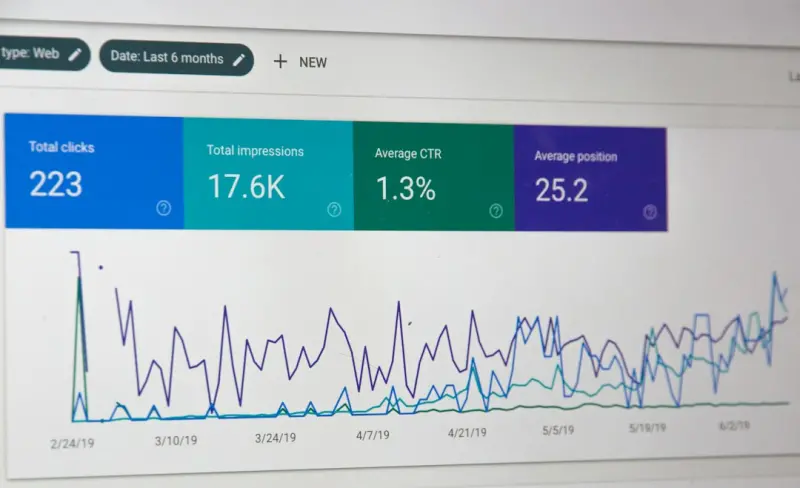
Beyond the Snippet: Harnessing SERP Real Estate for B2B SaaS Growth
This post reveals a step‑by‑step strategy for B2B SaaS companies to claim premium SERP real estate—featured snippets, People Also Ask boxes, knowledge pan...Read More

Micro‑Adventure Travel: Turning Weekend Getaways into Epic Stories
Micro‑adventures turn ordinary weekends into extraordinary stories, offering affordable, local escapes that spark creativity, improve wellbeing, and fit seaml...Read More

Riding Google’s AI Wave: Keeping Your Brand Human
In a world where Google’s AI accelerates everything, I share my personal playbook for keeping brand authenticity alive, balancing speed with humanity, and tur...Read More
0 Comments
Post Comment
You will need to Login or Register to comment on this post!