
Riding the Unpredictable Tide of Google’s AI
Standing at the intersection of data, creativity, and relentless algorithmic change, I often feel like a surfer poised on the crest of a wave that refuses to settle, constantly reshaped by Google’s latest AI breakthroughs and the ever‑shifting expectations of audiences who demand both speed and soul in their daily browsing rituals. Each new model, whether it’s a transformer‑based language engine or a vision‑augmented search layer, rewrites the rules of relevance, turning a simple query into a multidimensional dialogue that blends intent, context, and emotion. In this moment, my role as a marketer is less about outrunning the machines and more about teaching them how to echo the authentic voice that only a human can produce, ensuring that the human‑first marketing mantra remains the compass guiding every pixel and paragraph.
Google’s AI Evolution: From RankBrain to Gemini
The journey from RankBrain’s early attempts at semantic understanding to Gemini’s multimodal mastery reads like a tech novel, each chapter introducing capabilities that once seemed science‑fiction. Gemini, for instance, not only parses textual cues but also interprets images, audio snippets, and even user sentiment, creating a holistic portrait of what a searcher truly seeks at any given moment. This expansion means that the classic keyword list has transformed into a living taxonomy, where entities, relationships, and user pathways evolve in real time, demanding that marketers adopt a dynamic mindset rather than a static checklist.
For those of us who have been charting these waters, the shift is both exhilarating and daunting; the AI engine now suggests content structures, predicts headline performance, and even drafts meta descriptions before we finish our morning coffee. Yet, the underlying principle remains unchanged: relevance is still rooted in genuine human needs, and the machines are merely amplifiers of that relevance when we feed them with purpose‑driven insights. Embracing this reality means treating AI as a collaborative partner, not a replacement, and aligning every data point with the larger narrative of brand authenticity.
Impact on Search: The New SERP Landscape
The modern SERP resembles a personalized newsfeed more than a static list, populated by featured snippets, video carousels, AI‑generated answers, and localized maps that all compete for a user’s fleeting attention. When Google’s AI decides to surface an AI‑crafted answer block, it effectively becomes the first line of communication between a brand and a potential customer, bypassing traditional click‑through pathways altogether. This reality forces marketers to think beyond traditional SEO tactics and consider how to embed brand expertise directly into the AI’s knowledge base.
One practical approach is to create comprehensive, structured content that answers the full spectrum of user questions, from “what” and “why” to “how” and “when,” and then annotate that content with schema markup that signals intent to Google’s crawlers. By doing so, you increase the likelihood that the AI will pull your material into its answer generation engine, turning your brand into the trusted voice users hear in their search results. For a deeper dive into building AI‑ready assets, see Riding Google’s AI Wave: A Human‑First Marketer’s Perspective, which walks through the exact steps I took to align my content strategy with the new SERP dynamics.
Impact on Ads: AI‑Powered Targeting Meets Human Storytelling
Google’s advertising platform now leverages AI to predict not only which audiences are most likely to convert, but also the creative elements—such as headlines, images, and calls‑to‑action—that will resonate with those segments in real time. While this predictive power can dramatically improve ROAS, it also risks homogenizing brand messages if marketers lean too heavily on automated suggestions without injecting their unique voice. The challenge, then, is to harness AI’s precision while preserving the storytelling nuance that differentiates one brand from another.
My strategy involves setting clear brand guidelines that define tone, personality, and visual identity, then allowing the AI to operate within those parameters rather than dictating them outright. By feeding the platform with high‑quality, brand‑aligned assets, the AI can remix and test variations at scale, delivering a stream of data‑driven insights that inform future creative decisions. This balanced approach ensures that every ad impression feels both personally relevant and unmistakably yours, a sweet spot that keeps audiences engaged and conversion funnels healthy.
Staying Human on the AI Wave
At the heart of every successful campaign lies the human‑first marketing philosophy: understand the person behind the screen, anticipate their emotional triggers, and craft experiences that speak to their aspirations. AI can surface patterns and predict behavior, but it cannot replicate empathy, cultural nuance, or the subtle art of storytelling that resonates on a deep, emotional level. To keep humanity in the loop, I schedule regular “human‑only” brainstorming sessions where the team reviews AI‑generated insights and decides which ideas truly align with our brand soul.
These sessions also serve as a reality check, allowing us to question whether a high‑performing AI suggestion aligns with long‑term brand values or merely capitalizes on a fleeting trend. By anchoring every decision in a shared human perspective, we prevent the AI from steering us into a hollow, data‑driven echo chamber. For more on preserving authenticity while leveraging AI, explore Staying Human on Google’s AI Wave, a guide that blends practical tactics with philosophical reflections on the future of marketing.
Practical Workflow: From Insight to Execution
Implementing an AI‑enhanced workflow begins with a clear data foundation: clean analytics, well‑tagged content, and a robust tagging taxonomy that captures audience intent at every stage of the funnel. Once this foundation is in place, I feed the data into Google’s AI tools—such as Search Console insights, Keyword Planner, and the newly released Gemini Sandbox—to generate a prioritized list of content gaps, keyword opportunities, and creative angles. Each recommendation is then evaluated against a human‑centric rubric that scores relevance, brand alignment, and emotional resonance.
The approved ideas move into a collaborative content creation phase, where writers, designers, and SEO specialists co‑author pieces that are both AI‑optimized and richly human. After publishing, the AI continues to monitor performance, automatically adjusting meta tags, internal linking structures, and even on‑page copy to maintain relevance as user intent evolves. This continuous feedback loop ensures that the content remains fresh, authoritative, and in sync with Google’s ever‑learning algorithms.
Measuring Success: Metrics That Matter
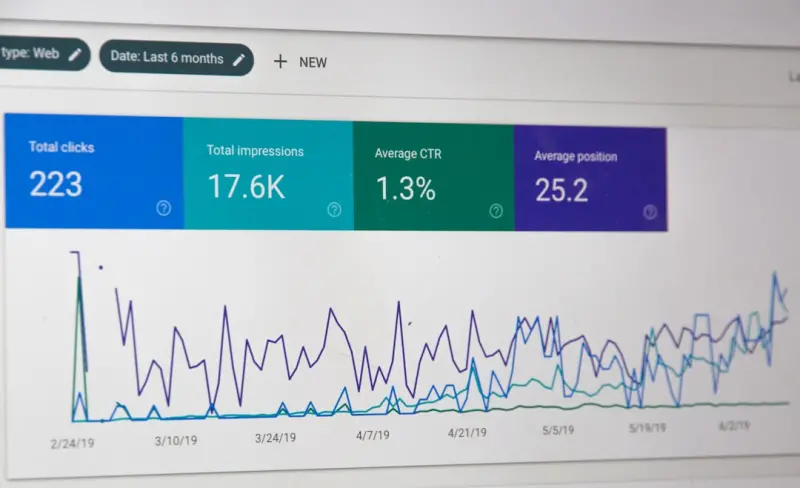
Traditional metrics like click‑through rate and bounce rate still matter, but they no longer tell the full story in an AI‑driven ecosystem. I now track “AI attribution” signals—such as the frequency with which my brand appears in AI‑generated answer blocks, the average position of AI‑enhanced snippets, and the conversion lift associated with AI‑personalized ad creatives. These metrics provide a clearer picture of how well the brand is integrating into Google’s intelligent response pathways.
In addition to these AI‑specific indicators, I maintain a balanced scorecard that includes brand sentiment analysis, organic traffic quality, and long‑term customer lifetime value. By juxtaposing AI attribution data with human‑centric outcomes, I can demonstrate the tangible business impact of staying true to a human‑first approach while still capitalizing on the efficiency and scale that AI offers. This dual‑lens reporting not only satisfies stakeholders but also reinforces the strategic value of blending technology with empathy.
Looking Ahead: The Future of Google’s AI and Human‑First Marketing
As Google continues to refine its multimodal AI, the line between search, discovery, and conversation will blur even further, turning every interaction into a potential touchpoint for brand storytelling. Anticipating this shift means preparing for a world where voice assistants, visual queries, and augmented reality experiences all feed into the same underlying AI engine, demanding a seamless, omnichannel narrative that feels consistent whether a user is speaking to a speaker, scanning an image, or typing a query.
My forecast is that brands which invest early in building AI‑ready, human‑centric content ecosystems will not only dominate the SERP but also shape the very conversations that Google’s AI chooses to surface. The future belongs to those who see AI as a collaborative partner—a catalyst that amplifies the authenticity we bring to the table—rather than a replacement for the creativity, empathy, and strategic insight that only humans can provide. Embrace the wave, stay human, and watch your brand ride the crest of the next AI‑driven revolution.

Related Posts

Google Cloud’s Generative AI: The Quiet Engine Behind B2B SaaS Innovation
Google Cloud’s generative AI is moving from a marketing headline to a core SaaS capability. This p... Read More

Unlocking Google’s Creator Studio: How AI Is Redefining Content Production
Explore Google’s Creator Studio—a unified, AI‑powered hub that transforms brainstorming, produ... Read More
Google’s AI Wave: Rose DesRochers’ Insider Take on the Latest Revolution
Rose DesRochers unpacks Google’s AI evolution, revealing how marketers can adapt, the shift in key... Read More
Top Posts
Surfing Google’s AI Wave: A Marketer’s Perspective on Innovation and Authenticity
A marketer’s firsthand look at Google’s AI surge, blending cutting‑edge tools with human creativity to drive authentic, sustainable growth....Read More

When AI Becomes the Guard: Rethinking SaaS Security for Adaptive Threats
AI is shifting from a reactive alarm to a proactive guard in SaaS security, offering real‑time anomaly detection, predictive modeling, and collaborative defen...Read More
Unlocking SEO Success with Visual Search and User‑Generated Video
Learn how to harness visual search and authentic user videos to dominate SERPs, improve rankings, and connect with audiences through a mobile‑first, data‑dr...Read More

Quantum Edge: How Tomorrow’s Computing Is Redefining Everyday Tech
Quantum edge computing merges quantum speed with on‑device processing, delivering instant, secure experiences for smart cities, health wearables, and everyday...Read More
0 Comments
Post Comment
You will need to Login or Register to comment on this post!