

Why the Modern Workday Needs a Health Reset
When I first left the corporate grind for a stint of freelance consulting, I thought the biggest challenge would be managing my schedule. What I didn’t anticipate was how deeply my daily rhythm was shaping my immune system, stress hormones, and overall sense of vitality. The truth is simple: the structures we build around work—meeting cadence, screen time, coffee breaks—are also the scaffolding for our health.
Over the past few years, I’ve experimented with everything from early‑morning meditation to evening digital detoxes. What emerged wasn’t a one‑size‑fits‑all miracle, but a framework for sustainable health resilience that anyone can adapt, regardless of industry or role. This article walks through that framework, grounding each step in science while keeping the language practical for busy professionals.
The Hidden Cost of “Busy” Culture
When we hear “busy,” we often picture a packed calendar and endless to‑do lists. What’s less visible is the physiological toll of constantly toggling between tasks, especially when those tasks are screen‑based. Chronic exposure to blue light suppresses melatonin production, impairing sleep quality. Simultaneously, the stress hormone cortisol spikes, leading to inflammation that can weaken the immune response.
Research shows that even short, unstructured periods of mental overload can elevate cortisol by up to 30 % for several hours. Over weeks, this pattern can erode heart health, disrupt gut microbiota, and reduce cognitive sharpness. The key takeaway: busy isn’t just a productivity metric; it’s a health metric.
Step 1: Anchor Your Day with Light, Not Alarm Clocks
My first breakthrough came when I swapped my 6 am alarm for a sunrise simulation lamp. Natural light exposure within the first 30 minutes of waking cues the suprachiasmatic nucleus—the brain’s master clock—to release cortisol in a healthy, rhythmic way. This “wake‑up cortisol” prepares you for alertness without the jittery crash of caffeine.
- Morning sunlight (or a lamp): 10–15 minutes of bright light.
- Hydration: 250 ml of water to kick‑start metabolism.
- Movement: A 5‑minute stretch or walk to boost circulation.
By anchoring the start of the day with light rather than noise, you set a physiological baseline that supports mental clarity and immune readiness.
Step 2: Redesign Meeting Architecture
Typical corporate meetings stretch 30–60 minutes, but the human brain can sustain deep focus for only about 20 minutes before performance declines. I restructured my schedule into three‑part blocks:
- Focus Sprint (15 min): Dedicated time for deep work without any meetings.
- Micro‑sync (5 min): A rapid alignment stand‑up that stays under 10 minutes total.
- Buffer (10 min): A short transition period to stand, stretch, and breathe.
This rhythm respects the brain’s natural attention span, reduces decision fatigue, and gives the nervous system a chance to reset between cognitive spikes.
Step 3: Nutrition as a Continuous Fuel Stream
Most professionals treat meals as isolated events, but our bodies thrive on a steady influx of nutrients. I shifted from three large meals to five smaller, nutrient‑dense bites spaced every 3–4 hours. This approach stabilizes blood glucose, preventing the “crash‑and‑burn” cycle that fuels stress and cravings.
Key components of each mini‑meal include:
- Protein (15–20 g): Supports muscle repair and satiety.
- Complex carbs (20–30 g): Provides sustained energy.
- Healthy fats (5–10 g): Aids hormone balance.
- Fiber & micronutrients: Keeps digestion smooth and immune cells supplied.
Pair each bite with a glass of water or herbal tea to maintain hydration, another often‑overlooked pillar of immune health.
Step 4: Intentional Movement, Not Just Exercise
Gym sessions are valuable, but the cumulative effect of movement throughout the day is even more potent for cardiovascular health and inflammation control. I adopted a “movement mantra”:
Every hour, stand, stretch, or walk for at least 60 seconds.
Simple actions—like a quick hallway walk, desk‑based calf raises, or a neck rotation—activate muscle pumps that improve lymphatic flow, a critical pathway for clearing metabolic waste and supporting immune surveillance.
Step 5: Digital Boundaries for Mental Recovery
Our devices are double‑edged swords. While they enable remote work, they also tether us to a constant stream of notifications. I instituted a “digital sunset” at 8 pm: all non‑essential screens off, notifications silenced, and a blue‑light filter engaged. This practice aligns with the body’s natural melatonin surge, facilitating deeper, restorative sleep.
For those who can’t fully unplug, consider a focus mode on your operating system that limits interruptions to priority contacts only. The result is a calmer nervous system and a sharper mind for the next day.
Step 6: Leverage Community, Not Competition
Human connection is a proven immune booster. However, the modern workspace often promotes competition over collaboration. I joined a small, cross‑functional “wellness circle” where members share one health habit they’re trying each week. The accountability and shared learning create a sense of belonging that lowers stress hormones.
If you’re looking for inspiration on building supportive micro‑networks, check out this related insights piece that explores how small groups can drive big outcomes.
Step 7: Data‑Driven Self‑Monitoring
We live in an era where wearable tech can track heart rate variability (HRV), sleep stages, and activity levels. I use HRV as a proxy for recovery: a consistently high HRV indicates a well‑balanced autonomic nervous system, while a dip signals the need for additional rest.
When my HRV drops, I automatically insert an extra 10‑minute walk and delay non‑essential meetings. Over time, this feedback loop trains my body to adapt to stressors without chronic overload.
Step 8: Mindful Closing Ritual
Just as you start the day with light, finish it with a calming ritual. My routine includes:
- Journaling three gratitude points.
- Light stretching or yoga for 5 minutes.
- Reading a non‑work‑related book (no screens) for 10 minutes.
These activities transition the brain from the beta state of problem‑solving to the alpha state of relaxation, priming the body for deep sleep and cellular repair.
Integrating the Framework with Business Goals
Some may wonder: does focusing on health compromise productivity? On the contrary, organizations that champion employee wellness report higher engagement, lower turnover, and improved bottom lines. By embedding health practices into daily workflows, teams become more resilient to market volatility and can sustain innovative output.
For a broader perspective on how cultural shifts can drive business success, explore this related insights article that highlights purpose‑driven strategies.
Conclusion: A Sustainable Path Forward
Health isn’t a side project; it’s the infrastructure that supports every professional achievement. By re‑engineering light exposure, meeting structures, nutrition, movement, digital habits, community, data monitoring, and evening rituals, you create a self‑reinforcing loop of resilience. The payoff is not just fewer sick days, but sharper thinking, deeper creativity, and a lasting capacity to thrive in an ever‑changing work landscape.
If you’re ready to start this transformation, pick one element from the framework, experiment for a week, and observe the physiological feedback. The body is remarkably responsive when you give it clear, consistent signals. Your future self will thank you.

David Moore is a freelance writer specializing in two dynamic and ever-evolving fields: gambling and the tech industry. With a keen eye for detail and a knack for unraveling complex topics, David delivers insightful and engaging content that keeps readers informed and entertained.
Related Posts

Digital Overload: A Health‑First Playbook for SaaS Leaders
Digital overload threatens cognitive health and productivity. Discover a practical four‑step playb... Read More
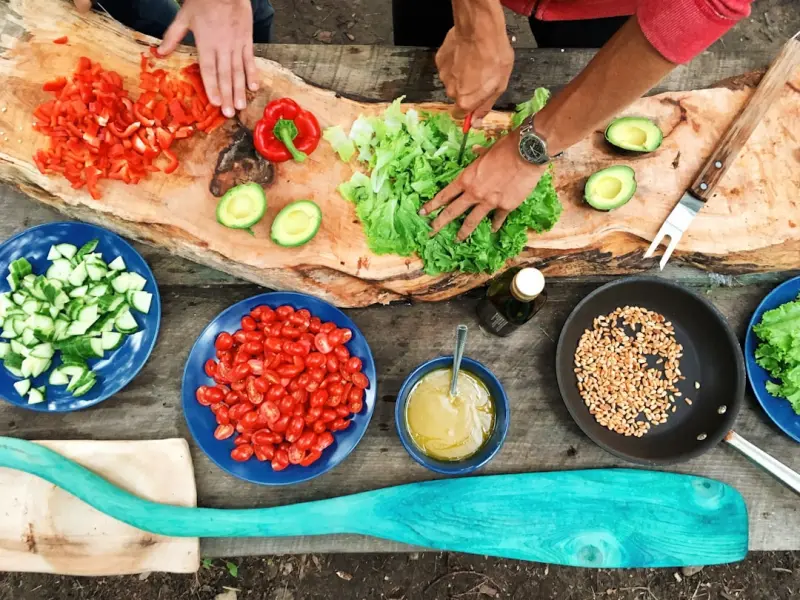
Sensory Cooking: A Mindful Path to Stress Relief and Wellbeing
Explore the transformative power of sensory cooking—using sight, smell, taste, touch, and sound—... Read More
Micro‑Moments: Why Short, Intentional Pauses Are the New Health Super‑Power for Knowledge Workers
Micro‑moments—brief, intentional pauses woven into the workday—reset the brain, lower stress, ... Read More
Top Posts

SEO as Code: Embedding Search Optimisation into Your CI/CD Pipeline
A step‑by‑step guide shows how B2B SaaS teams can integrate SEO linting, schema generation, and performance testing into their CI/CD pipelines, turning sear...Read More
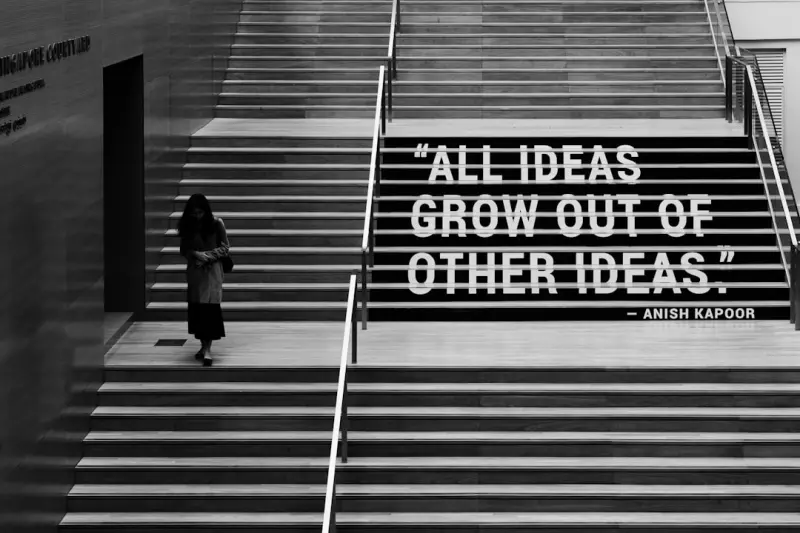
Ephemeral Video: B2B’s Hidden Growth Engine
Learn why fleeting video formats like LinkedIn and Instagram stories are becoming powerful tools for B2B marketers, how to produce authentic clips, integrate th...Read More
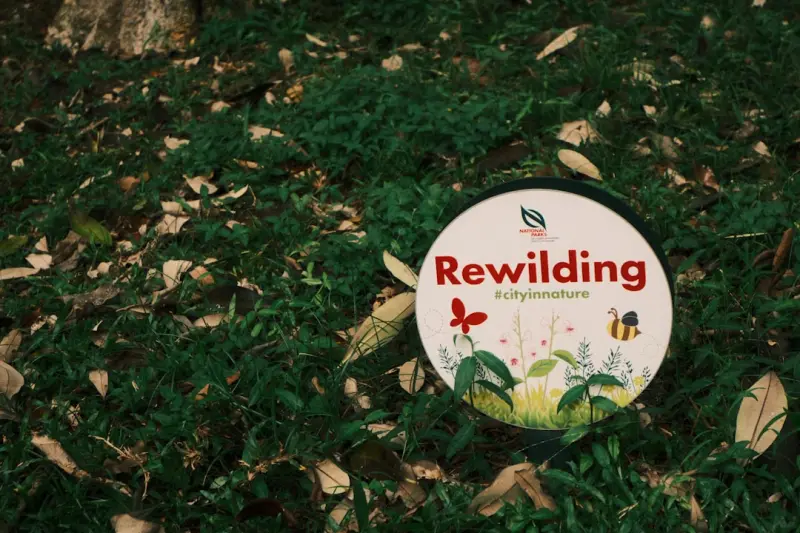
Rewilding Your Daily Routine: How Nature Immersion Boosts Health
A fresh take on health: learn to weave nature into your daily habits for lasting mental and physical benefits....Read More

Capturing Micro‑Moments: Real‑Time SEO for Instant Intent
Learn to dominate micro‑moments with actionable, real‑time SEO strategies that capture instant user intent, boost visibility, and drive sustained traffic....Read More
0 Comments
Post Comment
You will need to Login or Register to comment on this post!