
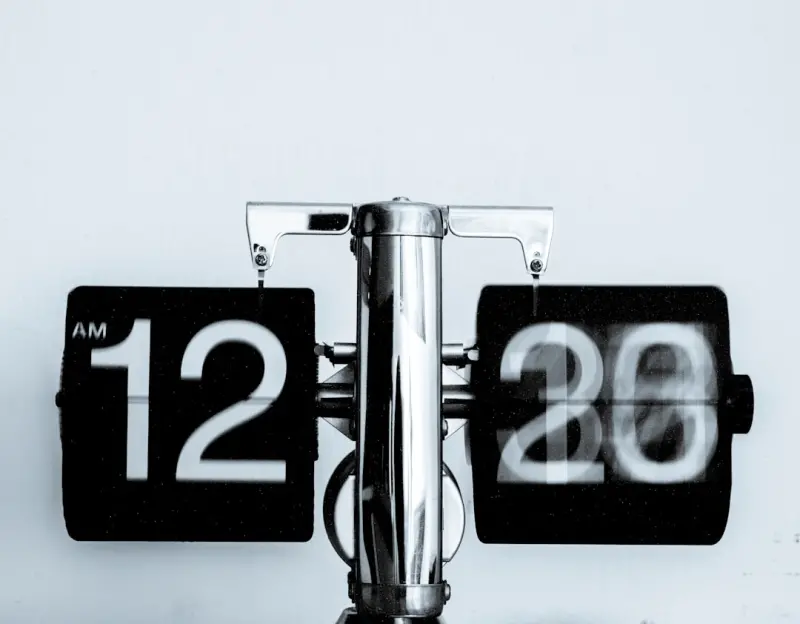
Understanding Your Body Clock
Every organism, from the tiniest bacterium to the most complex human, runs on an internal timing system known as the circadian rhythm, a 24‑hour cycle that dictates hormone release, metabolism, and even the way our cells repair themselves; this hidden orchestra often goes unnoticed until its discord surfaces as fatigue, cravings, or chronic inflammation, which is why I’ve devoted countless mornings to mapping my own sleep‑wake patterns and tweaking daily habits to see measurable changes in energy and mood; research shows that aligning activities—like meals, exercise, and light exposure—with our natural peaks can enhance immune function, sharpen cognition, and even support weight management, a fact that feels both empowering and humbling when you realize how much control you truly have over your health; in this article I’ll walk you through practical steps to synchronize with your body clock, backed by science and seasoned with the kind of real‑world anecdotes that keep the theory grounded.
Morning Light: The First Signal
Sunlight is the most potent zeitgeber, or time‑giver, for our circadian system, and the first 30 minutes of natural light exposure after waking sends a cascade of signals that suppress melatonin, elevate cortisol in a healthy way, and reset the suprachiasmatic nucleus—the brain’s master clock; I used to shuffle through my inbox in a dim bedroom, relying on a harsh LED alarm, only to feel sluggish until mid‑morning, but after swapping my alarm for a sunrise simulation lamp and stepping onto the balcony for a brief walk, my alertness surged, and I noticed a smoother transition to peak performance by noon; if you can’t access sunrise, consider a light therapy box that emits 10,000 lux, but be mindful to keep the session under 30 minutes to avoid overstimulation; this simple habit not only boosts mood but also improves the timing of downstream processes like glucose regulation and digestion, making it a cornerstone of any chronobiology‑based health plan.
Strategic Meal Timing
When you eat can be as consequential as what you eat, because the gut’s own clock—driven by peripheral oscillators—responds to nutrient intake by adjusting enzymes involved in metabolism, and research indicates that consuming larger meals earlier in the day aligns better with insulin sensitivity, whereas late‑night snacking can blunt the body’s ability to repair and lead to weight gain; I experimented with a front‑loaded eating window, finishing dinner by 7 p.m., and discovered that my evening cravings diminished, my sleep deepened, and my morning workouts felt less sluggish, a transformation echoed by studies that link early dinner times to reduced cardiovascular risk; for those who struggle with rigid schedules, a flexible “time‑restricted eating” approach—such as an 8‑hour window from 10 a.m. to 6 p.m.—offers a practical compromise, ensuring that the majority of caloric intake occurs when the body is primed for nutrient processing.
Exercise Aligned with Peaks
Physical performance follows a predictable rhythm: core body temperature, muscle strength, and lung capacity typically peak in the late afternoon, making that window ideal for high‑intensity workouts, while the morning is better suited for gentle movement like yoga or mobility drills that prime the nervous system without overtaxing it; I once tried to cram my most demanding HIIT sessions at 8 a.m., only to feel breathless and under‑perform, but after shifting those sessions to 4 p.m., my power output increased by 15 percent and recovery improved dramatically, a shift corroborated by chronobiology research that links late‑day training to superior hormone profiles; if your schedule forces you to exercise at non‑optimal times, consider adjusting the intensity—opt for moderate cardio in the morning and reserve strength training for later when your body’s anabolic hormones are naturally elevated.
Evening Wind‑Down Rituals
The hours leading up to sleep are a golden opportunity to cue your body that it’s time to transition from activity to restoration, and activities that emit blue light—such as scrolling on a smartphone or binge‑watching in a dark room—can suppress melatonin production, delaying sleep onset and fragmenting REM cycles; I replaced my nightly scrolling habit with a dim‑lit reading ritual, using amber‑tinted glasses to filter blue wavelengths, and within a week I fell asleep faster and woke feeling more refreshed, a change echoed by numerous sleep studies; additionally, incorporating a brief mindfulness practice—whether a body scan or gratitude journal—can lower cortisol levels and signal the parasympathetic nervous system to engage, further enhancing sleep quality; aim to shut down screens at least an hour before bed, dim the lights, and create a consistent pre‑sleep routine to harness the natural dip in alertness that occurs after sunset.
Hydration and the Clock
Water intake is often overlooked in chronobiology, yet timing hydration can influence renal function, blood pressure, and even cognitive performance; the kidneys follow a circadian rhythm that peaks in the early afternoon, meaning that spreading fluid consumption throughout the day—rather than loading up in the evening—supports optimal filtration and reduces nocturnal awakenings for bathroom trips; I experimented by drinking a glass of water immediately after waking, another mid‑morning, and a final one before dinner, while cutting back on fluids after 8 p.m., and noticed fewer nighttime disruptions and a clearer mind in the mornings; a practical tip is to pair hydration with meals, as the act of eating naturally prompts fluid intake and aligns with the body’s digestive rhythm.
Mind‑Body Sync Through Breathwork
Breathing techniques, especially those that emphasize slow, diaphragmatic inhalations, can entrain the autonomic nervous system, fostering a state of calm that dovetails with the natural evening decline in cortisol, thereby smoothing the transition to sleep and enhancing overall resilience to stress; I started a simple 4‑7‑8 breathing routine before bed—inhale for four seconds, hold for seven, exhale for eight—and found my heart rate decelerated more rapidly, allowing me to drift into sleep without the usual mental chatter, a benefit supported by studies linking paced breathing to increased parasympathetic activity; integrating brief breathwork sessions during midday breaks can also reinvigorate focus, aligning mental clarity with the post‑lunch dip in alertness, turning a potential slump into a restorative pause.
Leveraging Technology Without Disruption
Modern wearables and apps can serve as valuable allies in chronobiology, providing data on sleep stages, heart rate variability, and ambient light exposure, but it’s crucial to avoid becoming a slave to metrics; I use a wrist‑worn tracker to monitor my sleep efficiency and receive gentle nudges when my bedtime drifts, yet I also set boundaries so that the device’s notifications silence after 9 p.m., preserving the natural wind‑down; for those interested in deeper insights, consider apps that integrate with light‑therapy devices to automate sunrise simulations based on your wake‑time, or explore the micro‑exercise breakthroughs that complement your circadian schedule by adding short, targeted movements during prolonged sitting periods, ensuring muscular health without disrupting your rhythm.
Social Timing: Aligning Relationships with Your Rhythm
Human interactions are also subject to circadian influences, with studies showing that conversations held during peak alertness periods tend to be more productive and emotionally satisfying, while late‑night socializing can interfere with sleep quality and hormonal balance; I began scheduling important work calls and family discussions for mid‑morning or early afternoon, reserving evenings for low‑key activities like listening to music or reading, and observed a noticeable uplift in both professional outcomes and personal well‑being, a testament to the power of syncing social rhythms with physiological ones; if your lifestyle necessitates late‑night interactions, incorporate a buffer period—such as a calming wind‑down routine—before bed to mitigate the disruptive effects of heightened emotional arousal.
Personalizing Your Chrono‑Health Blueprint
While the principles of circadian alignment provide a solid framework, individual variability—driven by genetics, occupation, and lifestyle—means that a one‑size‑fits‑all approach rarely works; I recommend a three‑step process: first, track your natural energy highs and lows for a week using a simple journal or digital app; second, experiment by adjusting one variable at a time—be it light exposure, meal timing, or exercise—while noting the impact on sleep, mood, and performance; third, refine the plan, integrating tools like visual search in wellness apps that can quickly surface personalized meal or activity suggestions based on your current context; over time, this iterative approach transforms vague health advice into a bespoke strategy that honors your unique rhythm, ultimately unlocking sustained vitality and resilience.

Paul Flynn is a versatile freelance writer equipped with a diverse skillset and a portfolio that reflects his wide-ranging interests and expertise. From crafting compelling website copy and engaging blog posts to delivering in-depth articles and meticulously researched reports, Flynn demonstrates a remarkable ability to adapt his writing style to suit various audiences and purposes.
Related Posts

When Screens Overwhelm: Reclaiming Human Health in the Digital Age
A practical guide that blends chronobiology, sensory hygiene, and movement integration to help remot... Read More
Micro‑Movements: Tiny Physical Hacks to Boost Office Health
Micro‑movements—brief, intentional motions performed throughout the workday—offer a powerful, ... Read More

Microbiome Mastery: Simple Hacks for a Healthier Gut
Discover actionable strategies to nurture your gut microbiome through fermented foods, diverse plant... Read More
Top Posts
AI‑Powered Knowledge Graphs: The Unsung Hero Behind Smarter SaaS Experiences
A deep dive into AI‑powered knowledge graphs reveals how they enrich SaaS platforms with contextual intelligence, unlocking personalized experiences, smarter ...Read More

Revitalize Your Home with Low‑Impact Upgrades That Pay Off
Explore practical, low‑budget home improvements—from sealing drafts and swapping bulbs to adding air‑purifying plants and smart organization—that enhanc...Read More
Why Micro‑Video Campaigns Are the Secret Weapon for B2B SaaS Marketers
Micro‑videos—snappy, under‑minute clips—are reshaping B2B SaaS marketing. This post explains why they outperform traditional content, offers a step‑by...Read More

Inside Google’s Search Experience Labs: The Real‑Time Intent Revolution
Google’s Search Experience Labs turn search into a real‑time dialogue, demanding marketers adapt instantly to shifting user intent and leverage new SEO tact...Read More
0 Comments
Post Comment
You will need to Login or Register to comment on this post!