

Why Light Is the Unsung Hero of Everyday Health
When I first moved into a sun‑filled loft, I noticed a subtle shift: mornings felt brighter, my coffee tasted richer, and the afternoon slump that used to haunt me began to fade. Natural light does more than illuminate a room; it triggers a cascade of hormonal responses that set the tone for the entire day. The science behind this is simple yet profound—exposure to sunlight prompts the pineal gland to regulate melatonin, the hormone that tells our bodies when to sleep and wake. By aligning our schedules with the sun’s rhythm, we can harness a free, powerful tool that improves mood, sharpens cognition, and even bolsters immune function. This isn’t a new age fad; it’s a biological imperative that modern indoor lifestyles have sidelined, and it’s time we bring it back into our daily rituals.
Understanding the Circadian Clock: Your Body’s Internal Timekeeper
The circadian rhythm is an internal 24‑hour clock that governs everything from hormone release to body temperature, and its primary cue is light. When you step outside within the first hour of sunrise, blue‑rich light floods the retina, signaling the suprachiasmatic nucleus in the brain to reset the clock, which in turn lowers melatonin and boosts cortisol just enough to energize you for the day ahead. Skipping this natural cue forces the brain to rely on artificial signals, often leading to misaligned sleep patterns, chronic fatigue, and even metabolic disturbances. By intentionally syncing our exposure to daylight, we give our bodies the information they need to function optimally. For readers interested in expanding their health toolkit, consider exploring personal growth tools that can remind you to step outside at sunrise and track your light exposure over time.
Morning Sunlight: The First 30 Minutes That Set the Tone
Start your day with a brief, purposeful ritual: open the curtains, step onto the balcony, or take a short walk while the sky is still pink. Aim for at least 15–30 minutes of direct sunlight, which is sufficient to trigger the retinal receptors without the need for prolonged exposure. If weather or schedule constraints limit outdoor time, position your workspace near a window that receives early morning light; even indirect exposure can make a measurable difference. Pair this habit with a glass of water and gentle stretching to amplify the wake‑up signal, allowing the body to transition smoothly from sleep inertia to alertness. Over weeks, you’ll notice a steadier energy curve, fewer mid‑day crashes, and a deeper, more restorative sleep cycle.
Managing Artificial Light: From Screens to Smart Bulbs
Even as natural light powers our mornings, the modern environment bombards us with artificial illumination that can sabotage the same system we’re trying to support. Blue light emitted by smartphones, tablets, and computer screens peaks in the evening, confusing the brain into thinking it’s still daytime, which delays melatonin production and pushes bedtime later. Mitigate this by using built‑in night‑mode settings, installing blue‑light‑filtering glasses, or simply dimming screens an hour before sleep. Consider swapping out harsh overhead fluorescents for warm‑tone LED bulbs that mimic the sun’s natural progression from bright morning to soft dusk. These small adjustments can dramatically improve sleep onset, reduce eye strain, and preserve the delicate balance of your circadian rhythm.
Evening Wind‑Down: Crafting a Light‑Friendly Night Routine
Just as sunrise cues wakefulness, dusk signals the body to prepare for rest. Create a low‑light environment in the hour leading up to bedtime: dim lamps, candlelight, or amber‑hued smart bulbs can help signal the pineal gland to ramp up melatonin production. Incorporating a seasonal wellness checklist that includes adjusting lighting temperatures with the seasons further supports this natural transition. Pair the dimming lights with calming activities—reading a physical book, gentle yoga, or meditation—to reinforce the body’s expectation of sleep. Consistency is key; over time, the brain will associate these cues with nighttime, leading to quicker sleep onset and deeper REM cycles.
Movement Breaks: Light‑Infused Micro‑Activities for All-Day Energy
While light exposure sets the stage, regular movement keeps the body’s systems humming. Incorporate micro‑breaks every 60–90 minutes: stand, stretch, and if possible, move toward a window for a quick burst of daylight. These brief intervals boost circulation, reduce muscular tension, and reinforce the light signals already received, creating a feedback loop that sustains alertness without the need for caffeine spikes. Simple actions like a 30‑second doorway stretch, a few ankle rotations, or a quick walk around the block can reset posture and re‑energize the mind. Over time, this habit not only improves physical health but also sharpens mental focus, making it easier to stay productive and engaged throughout the day.
Designing a Health‑Focused Space: Light, Layout, and Lifestyle
The environment you inhabit can either nurture or negate your health goals. Position workstations near windows to maximize natural light exposure, and keep clutter to a minimum so that the eye can rest on open, bright spaces rather than chaotic surroundings. If space is limited, adopt space‑saving health hacks like floating shelves for plants, which not only purify air but also add a soothing visual element. Choose furnishings that promote good posture—ergonomic chairs, sit‑stand desks, and adjustable monitor heights—to complement the benefits of light exposure. By curating a setting that harmonizes illumination, movement, and organization, you create a holistic platform where healthy habits can thrive effortlessly.
Putting It All Together: A Simple Daily Blueprint
To reap the full benefits of natural light, follow this three‑step blueprint: (1) greet the sunrise with 15‑30 minutes of outdoor or window light; (2) maintain consistent lighting cues throughout the day, minimizing blue‑light exposure after sunset; and (3) close the day with a dim, warm‑lit environment paired with gentle movement breaks. By treating light as a cornerstone of your health regimen, you’ll notice improved sleep quality, steadier mood, and heightened cognitive performance—all without costly supplements or complex diets. Start small, stay consistent, and let the sun become your most reliable health partner.

Robert Mathews is a professional content marketer and freelancer for many SEO agencies. In his spare time he likes to play video games, get outdoors and enjoy time with his family and friends .
Related Posts

Why AI-Powered Wearables Are the New Frontier in Burnout Prevention
AI-powered wearables are evolving from step counters into proactive health partners, detecting stres... Read More

Embracing Forest Bathing: A Modern Path to Natural Healing
Explore the science behind forest bathing, learn simple ways to bring nature into your home, and see... Read More
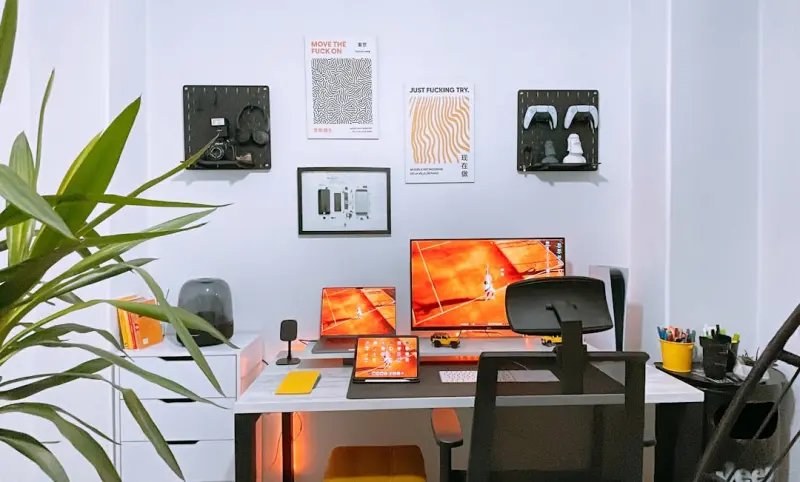
Rewire Your Home Office for Brain Power and Resilience
Learn practical, science‑backed strategies to transform your home office into a mental resilience ... Read More
Top Posts

Unlocking the Power of Structured Data for SaaS SEO
Structured data turns ordinary SaaS pages into click‑magnet rich snippets. This guide walks you through core schemas, workflow integration, ROI measurement, a...Read More

Future‑Proof Your SEO Against AI‑Generated Content Overload
Discover how to safeguard your SEO against the flood of AI‑generated content using a hybrid workflow, intent clusters, and structured data for lasting visibil...Read More

Riding Google’s AI Wave: A Marketer’s Personal Playbook for Staying Human
Explore a marketer’s insider guide to leveraging Google’s AI while preserving brand authenticity, with practical frameworks and real‑world examples....Read More
How to Turn SaaS Success Stories into a Living Marketing Engine
Discover a step‑by‑step framework for turning static case studies into multi‑channel, data‑driven story assets that boost engagement, improve lead quali...Read More
0 Comments
Post Comment
You will need to Login or Register to comment on this post!