
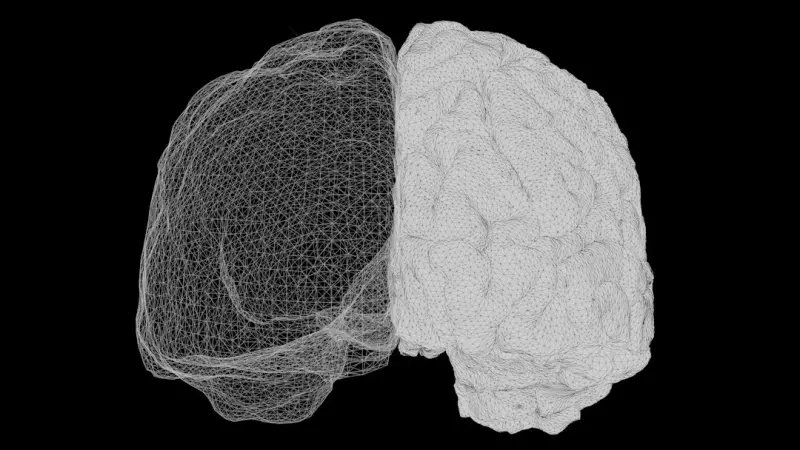
Neuro‑Driven Personalization: Turning Brain Signals into Clicks
When I first sat in a neuroscience lecture, watching a brain‑scan light up as volunteers stared at a simple banner ad, I realized that digital marketing had been flirting with the mind for decades—without ever truly listening. The flicker of a dopamine hit, the subtle gasp when a headline lands just right, the moment a user’s attention snaps to a call‑to‑action—these are not abstract concepts; they are measurable brain events. As marketers, we’ve always chased the “aha!” moment, but now we have the tools to see it.
Why Brain Science Matters More Than Ever
Traditional data points—click‑through rates, bounce percentages, conversion funnels—are still valuable. Yet they’re the tip of an iceberg hidden beneath a sea of subconscious triggers. The modern consumer (even in B2B) is bombarded with stimuli; the brain’s decision‑making circuitry has adapted to filter, prioritize, and sometimes ignore. When you align your digital assets with the brain’s natural wiring, you stop fighting the noise and start dancing with it.
- Attention is a scarce resource. The average web visitor’s attention span is now measured in seconds. Neuromarketing tells us that visual contrast, movement, and novelty trigger the reticular activating system, the brain’s “what’s important” filter.
- Emotion drives memory. A surge of oxytocin or a brief spike in adrenaline creates a stronger memory trace. That’s why stories, humor, and even subtle color choices can linger far longer than a static fact sheet.
- Trust is hard‑wired. The prefrontal cortex evaluates risk. Transparent design, consistent branding, and social proof all signal safety, reducing the brain’s perceived threat level.
Understanding these mechanisms is not a gimmick; it’s the next evolution of data‑driven marketing.
Building a Neuro‑Driven Framework
Here’s a step‑by‑step playbook I’ve refined over the past year, blending cognitive science with the practical realities of a SaaS marketing team.
- Map the Cognitive Journey. Begin with a traditional buyer’s journey map, then layer in the brain’s processing stages: pre‑attention (awareness), attention capture, emotional resonance, decision evaluation, and action reinforcement. Identify the mental “pain points” at each stage.
- Gather Neuro‑Data. You don’t need a full‑blown fMRI lab. Eye‑tracking heatmaps, facial expression analysis (via consented webcam tools), and psychophysiological metrics like galvanic skin response (GSR) from test panels are affordable and actionable. Pair these with your existing analytics for a richer picture.
- Design for the Brain. Apply findings:
- Visual hierarchy: Use bold, high‑contrast headlines to trigger the brain’s rapid scanning pathways.
- Micro‑movements: Subtle animations (e.g., a button that gently pulses) engage the mirror neuron system, increasing perceived interactivity.
- Story arcs: Frame your value proposition as a narrative with a clear conflict and resolution, tapping into the limbic system.
- Test with Neuro‑A/B. Run parallel campaigns where the only variable is a neuro‑informed tweak—like swapping a flat CTA button for a 3‑D, slightly raised version. Measure both traditional metrics and neuro‑data (e.g., dwell time, pupil dilation).
- Iterate and Scale. Once a neuro‑variant outperforms the control by a statistically significant margin, roll it out across channels. Keep the feedback loop tight; the brain’s preferences can shift with cultural trends.
Case Study: From Static Landing Page to Brain‑Friendly Experience
A mid‑size SaaS platform approached us with a high‑traffic landing page that was under‑performing. Conversion hovered around 2.1%, despite strong traffic volumes. We applied the neuro‑driven framework:
- Eye‑Tracking Insight: Users spent 70% of their time scanning the hero image, barely noticing the CTA.
- Emotional Trigger: The original copy was feature‑heavy, leading to cognitive overload.
- Neuro‑Design Change: We introduced a concise, benefit‑first headline with a contrasting color accent, added a short, relatable story snippet, and swapped the rectangular CTA for a rounded, shadowed button that “pulsed” on hover.
Post‑launch, the AI‑Generated Meta: Scaling SEO‑Friendly Content tool helped us quickly test meta variations aligned with our new messaging. The result? Conversion leapt to 4.3% in just two weeks, and average session duration increased by 18 seconds—an indication that users were genuinely engaging, not just skimming.
Zero‑Party Data: The Trust Engine Meets Neuro‑Insights
Collecting data ethically is a cornerstone of any neuro‑driven strategy. Zero‑Party Data—information that users voluntarily share—provides the consent‑backed foundation you need for neuro‑testing. By asking prospects for preference sliders (e.g., “I prefer data‑heavy case studies vs. visual demos”), you gather both a data point and a cognitive cue about their processing style. This dual value boosts trust while enriching your brain‑mapping efforts.
Integrating Neuro‑Personalization with Existing Tech Stacks
Most B2B SaaS marketers already use a suite of tools: CRM, marketing automation, analytics, and perhaps a personalization engine. Here’s how to weave neuro‑insights into that ecosystem without a massive overhaul:
- Data Layer Enrichment: Tag neuro‑metrics as custom dimensions in your analytics platform. For example, “CTA Hover Dwell (ms)” becomes a measurable field you can segment on.
- Dynamic Content Blocks: Use your existing personalization engine to swap in brain‑optimized elements (e.g., a video vs. a static graphic) based on a user’s known cognitive preference.
- Automation Triggers: Set up workflow triggers that fire when neuro‑signals indicate disengagement—like a rapid drop in eye‑fixation time—prompting a retargeting email with a fresh visual hook.
The Ethical Line: Respecting the Brain
Neuro‑marketing walks a fine line between insight and manipulation. Transparency is your safeguard. Offer clear opt‑ins for any neuro‑data collection, explain the purpose, and give users an easy way to withdraw. When you treat neuro‑insights as a service to improve user experience—not as a covert mind‑control tactic—you build long‑term brand equity.
Future Glimpses: Where Neuro‑Marketing Is Headed
Imagine a world where every ad unit can adapt in real‑time to a viewer’s emotional state, detected through a simple webcam with consent. Or where AI agents generate copy that aligns with the viewer’s current cognitive load, delivering “light” versus “deep‑dive” content on the fly. While these scenarios feel futuristic, the building blocks—edge‑computing, privacy‑first AI, and affordable neuro‑sensors—are already emerging. Marketers who start now will have a head start in mastering the next wave of human‑centric digital experiences.
In the meantime, start small. Map a single conversion funnel, sprinkle in a few eye‑tracking studies, and let the brain guide your design decisions. The payoff isn’t just higher click‑through rates; it’s a more authentic connection with the very organ that makes your audience human.

Related Posts

Beyond Clicks: Building Trust in Decentralized Social Hubs
Digital marketers can unlock new growth by embracing decentralized social hubs, where token incentiv... Read More

Micro‑Moments: Capturing Split‑Second Intent to Accelerate B2B Growth
Micro‑moments are the fleeting, intent‑driven windows where B2B buyers make quick decisions. Thi... Read More

Beyond Clicks: Rethinking Attribution in Complex B2B Journeys
Traditional last‑click models miss the hidden contributions of each touchpoint in a B2B buyer’s ... Read More
Top Posts

Riding Google’s 2026 AI Wave: Insider Strategies for Marketers
Explore how the 2026 AI wave reshapes Google search and learn proven, insider tactics to optimize content, capture answer boxes, and future‑proof your SEO str...Read More

AI‑Augmented Customer Success: The Next Competitive Edge for SaaS
AI is shifting customer success from reactive support to proactive delight. Learn how predictive churn alerts, dynamic playbooks, and knowledge graphs empower S...Read More

Privacy‑Centric Attribution: Turning Cookieless Challenges into Growth
Discover a privacy‑first attribution framework that transforms cookieless challenges into measurable growth, using first‑party data, adaptive journeys, and ...Read More

Riding the AI Wave: Rose DesRochers’ Insider Playbook for Google’s 2024 Search Revolution
Rose DesRochers reveals how to thrive in Google’s 2024 AI search era—conversation‑first content, multimodal optimization, and new AI‑centric metrics to ...Read More
0 Comments
Post Comment
You will need to Login or Register to comment on this post!