
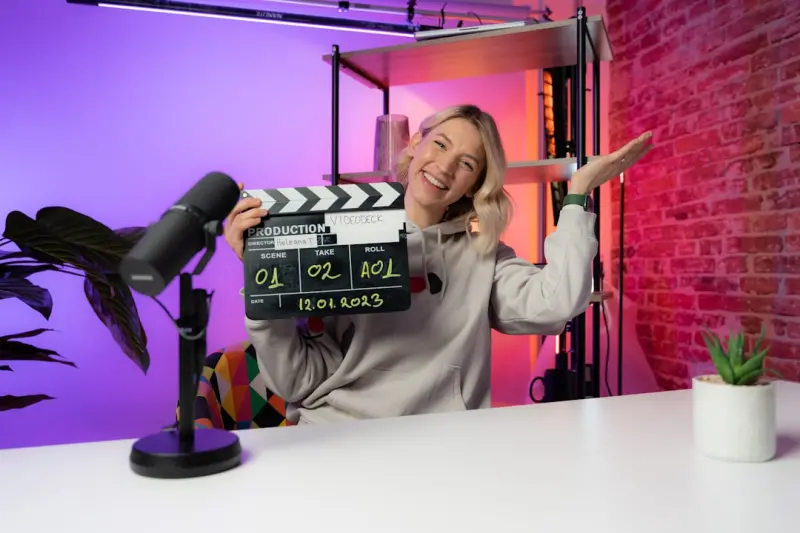
Why Micro‑Video Is the Secret Weapon B2B SaaS Marketers Have Been Waiting For
When most people think about video marketing, they picture polished product demos, webinars, or maybe a slick brand film. Those formats still have a place, but the real disruption is happening at a much smaller scale: micro‑video storytelling. Think 15‑ to 30‑second clips that capture a single insight, a customer win, or a quick tip, and then get shared across LinkedIn, Twitter, or even internal Slack channels. If you’ve ever felt that your long‑form content is getting lost in the noise, you’re not alone. The modern B2B buyer’s attention span is shrinking, and the only way to stay top‑of‑mind is to meet them where they are—on the fast‑moving feeds that dominate their day.
The Psychology Behind Bite‑Size Video
Human brains are wired for rapid visual processing. A micro‑video taps into that instinct by delivering a complete narrative in a matter of seconds. Research shows that viewers retain up to 60% of information from a 30‑second video, compared with just 10% from a written paragraph. That retention boost isn’t magic; it’s the result of three core neurological triggers:
- Motion. Moving images activate the visual cortex more intensely than static text.
- Story arcs. Even a single sentence “problem‑solution‑result” structure gives the brain a satisfying conclusion.
- Emotion. Facial expressions, tone of voice, and ambient sound create an empathetic connection that words alone struggle to achieve.
When you combine these triggers in a concise format, you get an engagement engine that works for every stage of the funnel—from awareness to advocacy.
Micro‑Video vs. Traditional Formats: A Quick Comparison
| Metric | Micro‑Video (≤30 s) | Traditional Video (≥5 min) |
|---|---|---|
| Average View Completion Rate | 65‑80% | 30‑45% |
| Production Time | Hours to a day | Days to weeks |
| Cost per Minute | $100‑$500 | $2,000‑$10,000 |
| Shareability | High (social feeds, Slack, email) | Low (mostly hosted platforms) |
The numbers speak for themselves. By reallocating a portion of your video budget to micro‑content, you can dramatically increase reach without sacrificing quality.
Building a Micro‑Video Playbook for B2B SaaS
Creating compelling micro‑videos isn’t about buying the fanciest camera; it’s about strategy, consistency, and leveraging the data you already have. Below is a step‑by‑step framework that can be rolled out within a single sprint.
1. Identify Core Themes That Resonate
Start with the topics that already drive traffic and conversions in your long‑form assets. Pull insights from high‑performing blog posts, case studies, and support tickets. For example, if your most‑read blog post is about “unlocking the power of zero‑party data,” turn that insight into a 20‑second explainer that says, “Did you know you can collect first‑hand customer preferences without a cookie?” Use the internal link as a reference point: zero‑party data to deepen the context.
2. Script in 3 Beats
Even 15 seconds needs structure. Follow the classic “hook‑problem‑solution” beat:
- Hook: Capture attention (a surprising stat, a bold claim, or a visual gag).
- Problem: Briefly articulate the pain point.
- Solution: Show your product or a tip that resolves it.
Keep language simple and avoid jargon—your audience should grasp the value in a single viewing.
3. Choose the Right Format
Depending on the platform, you may opt for:
- Talking‑head clips. Great for thought‑leadership and personality.
- Animated GIF‑style snippets. Ideal for illustrating UI flows.
- Screen‑recorded demos. Show a feature in action within 10 seconds.
Mix and match to keep the feed fresh.
4. Leverage a Privacy‑First Lens
In an era where consent is king, make sure your micro‑videos respect user privacy. Highlight how your SaaS solution handles data responsibly. For a deeper dive, see our guide on privacy‑first digital marketing. A short clip that says, “Your data stays yours—our platform only uses what you allow,” can turn a skeptic into a brand advocate.
5. Optimize for Each Channel
Different platforms have distinct specs and user behaviors:
- LinkedIn: 15‑second native video, subtitles mandatory.
- Twitter/X: Looping GIFs or 30‑second videos with a strong hook in the first 3 seconds.
- Instagram Reels/TikTok: Vertical format, playful tone, music overlay.
- Slack/Teams: Tiny clips embedded in newsletters or product updates.
6. Measure, Iterate, Scale
Micro‑video success is data‑driven. Track these KPIs:
- View‑through rate (VTR)
- Click‑through rate (CTR) on the associated call‑to‑action
- Share count
- Lead conversion lift (compare against a control group)
Run A/B tests on hook variations, captions, and thumbnail images. The agility of short‑form production means you can iterate weekly rather than monthly.
Case Study: Turning a Feature Demo Into a Viral Micro‑Clip
One of our SaaS clients struggled to convey the value of a new “automated onboarding” feature. Their initial approach was a 10‑minute webinar that saw a 12% attendance rate. We broke the demo into three 20‑second micro‑videos:
- A “before” clip showing a frustrated admin juggling spreadsheets.
- A “magic moment” clip where the onboarding wizard auto‑populates fields.
- A “result” clip highlighting a 30% reduction in time‑to‑value.
These clips were posted on LinkedIn with subtitles and a clear CTA to “Start a free trial.” Within two weeks, the combined view count topped 50,000, the CTR jumped to 4.2%, and the trial sign‑up rate increased by 27% compared to the webinar baseline. The secret? Simplicity, humor, and a focus on the user’s emotional relief.
Micro‑Video as a Bridge to Larger Campaigns
Think of micro‑videos as the front door to your deeper content ecosystem. Use them to:
- Drive traffic to a conversational experience landing page where visitors can chat with a bot for a personalized demo.
- Introduce a new e‑book, then follow up with a series of short clips that each summarize a chapter.
- Tease an upcoming webinar, creating anticipation with a “save the date” micro‑clip.
This layered approach ensures that each micro‑video is not an isolated effort but a component of a cohesive funnel.
Tools of the Trade: From Smartphones to AI‑Powered Editors
You don’t need a Hollywood studio to produce high‑impact micro‑videos. Here’s a quick stack that works for most B2B teams:
- Capture: Modern smartphones (iPhone 15/Google Pixel 8) with built‑in stabilization.
- Editing: AI‑driven tools like Descript or Clipchamp that auto‑generate captions and suggest cuts.
- Graphics: Templates from Canva Pro for branded lower thirds.
- Analytics: Platform native insights (LinkedIn Video Analytics) plus a consolidated dashboard in Google Data Studio.
The biggest time‑saver is using AI to draft scripts based on existing blog copy—just feed the article, ask for a 30‑second hook, and refine.
Common Pitfalls and How to Avoid Them
Even with a solid strategy, teams can stumble:
- Skipping subtitles. 70% of videos on social are watched without sound. Always add captions.
- Over‑branding. A splashy logo every 2 seconds feels spammy. Keep branding subtle—perhaps only at the start and end.
- Neglecting the CTA. Every micro‑video needs a clear next step, whether it’s “Learn more,” “Download the guide,” or “Start a free trial.”
- Ignoring platform specs. Vertical videos on LinkedIn perform poorly; respect each channel’s aspect ratio.
The Future: AI‑Generated Micro‑Videos at Scale
We’re already seeing early adopters use generative AI to create entire micro‑video campaigns in minutes. By feeding the AI a brand guide, tone of voice, and a few bullet points, you can receive a batch of ready‑to‑publish clips with synthetic voices and motion graphics. While the technology is still maturing, the promise is clear: hyper‑personalized micro‑videos that adapt to each prospect’s industry, role, and pain points.
Getting Started Today
If you’re ready to experiment, follow this 3‑day sprint:
- Day 1: Audit your top‑performing content and extract 5 core insights.
- Day 2: Script and shoot 5 micro‑videos (15‑30 seconds each). Use a smartphone, a simple tripod, and a ring light.
- Day 3: Publish across LinkedIn, Twitter, and your internal Slack channel. Track VTR, CTR, and shares for 7 days, then refine.
Within a week you’ll have a library of bite‑size assets that can be repurposed for ads, newsletters, and sales outreach. The ROI is immediate: higher engagement, more qualified leads, and a brand that feels human in a crowded digital space.
Conclusion: Small Clips, Big Impact
Micro‑video storytelling isn’t a fleeting trend; it’s an evolution of how B2B SaaS marketers communicate value. By embracing short, emotionally resonant clips, you can cut through the clutter, respect privacy, and guide prospects smoothly toward conversion. The tools are accessible, the data is measurable, and the payoff—both in brand perception and pipeline health—is undeniable. Start small, iterate fast, and watch your micro‑content become the catalyst for macro‑growth.

David Moore is a freelance writer specializing in two dynamic and ever-evolving fields: gambling and the tech industry. With a keen eye for detail and a knack for unraveling complex topics, David delivers insightful and engaging content that keeps readers informed and entertained.
Related Posts
How AR Filters Are Redefining Brand Engagement
Augmented reality filters are transforming how brands connect with audiences, turning casual scrolls... Read More

Zero‑Party Data: The Secret Weapon for B2B SaaS Marketers
Zero‑party data—information that prospects willingly share—offers B2B SaaS marketers a privacy... Read More

Gamify Your Funnel: Turning Leads into Players
Learn why adding game‑like challenges, rewards, and progress tracking to your B2B SaaS funnel tran... Read More
Top Posts
Google’s Green Cloud: How Sustainable Infrastructure Can Supercharge Your SaaS
Explore the hidden advantages of Google’s renewable‑powered cloud, carbon‑aware scheduling, and edge capabilities, and learn practical steps SaaS companie...Read More

Why Progressive Web Apps Are the SEO Game‑Changer You Need
Progressive Web Apps blend native app speed with web accessibility, delivering faster load times, higher engagement, and stronger SEO signals. Learn how to impl...Read More

The Secret Benefits of Tiny Home Rituals
Learn practical, low‑effort habits that turn everyday rooms into calming sanctuaries, improve sleep, and increase daily productivity without major renovations...Read More

The Voice & Visual Search Playbook: Future‑Ready SEO Tactics
This post explores practical tactics for mastering voice and visual search, from conversational FAQs and image schema to measuring new SEO KPIs, helping SaaS ma...Read More
0 Comments
Post Comment
You will need to Login or Register to comment on this post!