
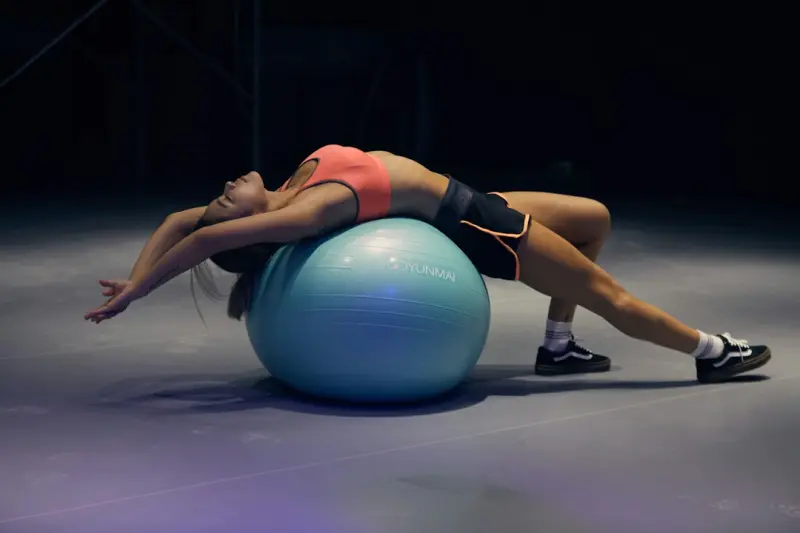
Micro‑Movement Workouts: Tiny Physical Nudges That Boost Health in a Sedentary World
When I first stepped into a conference room full of developers, product managers, and marketers, I expected the usual buzz of ideas and the occasional coffee‑powered caffeine buzz. What I didn’t expect was the collective sigh of bodies that had been glued to chairs for eight, ten, even twelve hours straight. As someone who has spent the last decade navigating the intersection of health and high‑performance work environments, I’ve learned that the real catalyst for sustained energy isn’t a marathon‑length workout or a pricey standing desk—it’s the power of micro‑movement.
Micro‑movement isn’t a new concept in sports science, but it’s rarely discussed in the context of everyday office life. It’s the idea that a series of tiny, intentional motions—lasting a few seconds each—can accumulate into a measurable boost in circulation, posture, mental clarity, and overall wellbeing. Think of it as the “snack” version of exercise: easy to digest, low on commitment, and surprisingly satisfying.
Why Traditional Exercise Plans Miss the Mark for Desk‑Bound Professionals
Most corporate wellness programs champion a “30‑minute cardio session three times a week” or a “weekly yoga class.” While these are fantastic for those who can carve out that time, they often clash with the reality of tight deadlines, overlapping meetings, and the ever‑present pressure to stay “always‑on.” The result? A well‑meaning but underutilized program that gathers dust in a shared drive.
Micro‑movement sidesteps these barriers by embedding activity directly into the workday. No need to change clothes, book a studio, or even leave the office. It’s about turning the moments you already have—waiting for a file to upload, standing up to grab a coffee, or listening to a colleague’s update—into opportunities for subtle, health‑enhancing motion.
Science Behind the Small: What Happens When You Move a Little
Research from kinesiology labs shows that even a 20‑second stretch can increase blood flow to the brain by up to 12 percent. A series of brief ankle pumps can activate the calf muscle pump, which helps return venous blood to the heart, reducing swelling and fatigue. These physiological responses translate into real‑world benefits:
- Improved focus: Movement triggers the release of norepinephrine, a neurotransmitter that heightens alertness.
- Reduced musculoskeletal discomfort: Regularly resetting posture prevents the chronic tension that leads to neck and back pain.
- Elevated mood: Tiny bursts of activity stimulate endorphin production, the body’s natural “feel‑good” chemicals.
- Enhanced metabolic health: Cumulative micro‑movements can offset the negative metabolic effects of prolonged sitting, such as reduced insulin sensitivity.
Getting Started: The Six Core Micro‑Movement Categories
To make micro‑movement a habit, it helps to categorize the types of motions you can do throughout the day. Below are six pillars that cover the major muscle groups and functional needs of most office workers.
- Spinal Flexion & Extension – Gentle forward folds, seated cat‑cow stretches, or standing “reach‑up” motions.
- Shoulder Mobility – Arm circles, wall slides, and scapular squeezes.
- Hip Opener – Seated figure‑four stretches, standing hip swings, or light lunges.
- Leg Activation – Ankle pumps, seated calf raises, or quick wall‑sits.
- Core Engagement – Seated torso twists, standing pelvic tilts, or brief plank holds (if space permits).
- Eye & Neck Relief – 20‑20‑20 rule eye breaks, neck rotations, and gentle gaze shifts.
Each category can be completed in under a minute. The magic lies in the repetition throughout the day.
Designing Your Workspace for Micro‑Movement Success
Environment plays a pivotal role in whether you’ll remember—or even be able—to move. If your office feels like a static prison, the odds of slipping in micro‑movements drop dramatically. That’s why I often reference the home environment that supports movement when discussing office layout. The same principles apply: clear pathways, adjustable furniture, and visual cues that invite action.
Consider the following tweaks:
- Strategic placement of supplies: Keep a water bottle, a small resistance band, or a balance cushion within arm’s reach. The mere presence of these items serves as a reminder to use them.
- Floor markings: Use a subtle line or rug to designate a “movement zone” where you can perform ankle pumps or quick stretches without disturbing colleagues.
- Adjustable desks: Even if you don’t have a full sit‑stand station, a simple riser can allow you to transition to a slight incline, encouraging subtle posture shifts.
- Visual prompts: Sticky notes or digital reminders that pop up every hour can cue you to pause and move.
Integrating Micro‑Movement into Your Routine
Consistency is the secret sauce. Below is a sample day‑long micro‑movement schedule that you can adapt to your own workflow. Feel free to modify the timing, duration, or type of motion based on personal preference and job demands.
| Time | Micro‑Movement | Duration |
|---|---|---|
| 09:00 – Start of Day | Standing torso twists (alternating left/right) | 30 seconds |
| 09:45 | Shoulder rolls (forward & backward) | 20 seconds |
| 10:30 | Ankle pumps while waiting for a download | 15 seconds |
| 11:15 | Seated cat‑cow stretch | 30 seconds |
| 12:00 – Lunch Break | Walk around the office or outside (optional) | 5‑10 minutes |
| 13:00 | Hip swings (standing) | 20 seconds |
| 13:45 | Neck rotations | 15 seconds |
| 14:30 | Wall‑sit (if space permits) | 30 seconds |
| 15:15 | Eye break – look 20 feet away for 20 seconds | 20 seconds |
| 16:00 | Standing calf raises | 20 seconds |
| 16:45 | Full‑body stretch (reach up, then bend forward) | 30 seconds |
Notice how the schedule weaves movements into natural pauses—like waiting for a file to upload or transitioning between meetings. Over a typical eight‑hour day, you’ll accumulate roughly ten minutes of intentional movement, without sacrificing productivity.
Micro‑Movement Meets Technology: Leveraging SaaS Tools for Accountability
In a world where SaaS solutions dominate productivity, why not harness them to reinforce health? There are several low‑friction tools that can remind you to move, track compliance, and even gamify the experience.
For instance, a simple Slack bot can post a friendly “Time to stretch!” reminder every hour. Integrations with calendar apps can automatically schedule micro‑movement blocks after back‑to‑back meetings, ensuring you never lose momentum. Some platforms even let teams share their movement streaks on a leaderboard, turning the habit into a collaborative challenge.
When you’re looking for inspiration on how to blend tech and habit formation, the post When Your Knowledge Base Becomes an AI Co‑Pilot for Teams offers a glimpse into how AI can act as a gentle guide—think of it as a virtual wellness coach that nudges you at the right moments.
Overcoming Common Barriers
Even the best‑designed system can falter if you run into mental or logistical roadblocks. Below are the three most frequent objections I hear, along with practical counter‑strategies.
- “I don’t have time.” – Remember, micro‑movements are measured in seconds, not minutes. The key is to treat each pause as a micro‑investment that pays back in focus and reduced fatigue.
- “I feel self‑conscious.” – Choose discreet motions that can be performed while seated or standing in place. Ankle pumps or seated torso twists go unnoticed by most coworkers.
- “I forget.” – Use visual cues, digital reminders, or pair the habit with an existing trigger (e.g., “after every coffee refill, I’ll do a shoulder roll”). Consistency builds an automatic association over time.
Measuring Success: What to Track and How
Unlike a traditional gym routine, the metrics for micro‑movement aren’t about reps or weight. Instead, focus on the following indicators:
- Subjective energy levels: Rate your alertness on a 1‑10 scale before and after a day of micro‑movement.
- Physical comfort: Note any reduction in neck, shoulder, or back discomfort over a week.
- Productivity markers: Track the number of tasks completed or the amount of uninterrupted focus time.
- Frequency log: Use a simple spreadsheet or a habit‑tracking app to record each micro‑movement session.
After a month of consistent practice, most people report a noticeable uptick in mental clarity and a dip in the “mid‑afternoon slump.” That’s the data‑driven validation you need to keep the habit alive.
Scaling Micro‑Movement Across Teams
If you’re a manager or HR leader, consider rolling out a micro‑movement initiative across your department. Here’s a quick blueprint:
- Kick‑off workshop: Host a 15‑minute session demonstrating the six core movement categories.
- Resource hub: Create a shared folder with illustrated guides, short video demos, and the schedule template above.
- Leadership buy‑in: Encourage executives to model the behavior; visibility from the top drives adoption.
- Feedback loop: Collect weekly surveys on comfort, focus, and perceived productivity.
- Celebrate milestones: Recognize teams that achieve the highest compliance or report the most significant well‑being improvements.
When you align health with performance, you create a culture where taking a moment to move is seen as a strategic advantage—not a distraction.
The Bigger Picture: Micro‑Movement as a Public Health Strategy
On a macro level, encouraging micro‑movement in workplaces could help address the global rise in sedentary‑related diseases—cardiovascular issues, type‑2 diabetes, and musculoskeletal disorders. By shifting the narrative from “exercise must be a dedicated block of time” to “movement can be woven into every moment,” we democratize health for the millions whose jobs demand prolonged sitting.
Policy makers and corporate wellness advocates are beginning to recognize this. Some forward‑thinking companies have already incorporated “movement minutes” into their performance metrics, rewarding teams that collectively hit a target of daily micro‑movement minutes.
Conclusion: Tiny Motions, Massive Impact
Micro‑movement isn’t a gimmick; it’s a scientifically backed, easily implementable approach that bridges the gap between health aspirations and the reality of a desk‑bound workday. By reframing brief pauses as opportunities for purposeful motion, you unlock a cascade of benefits—enhanced focus, reduced discomfort, and a steadier mood—all without sacrificing productivity.
Start small. Pick one movement from the list, set a reminder, and notice how a few seconds of intentional motion can reset your day. Before you know it, those tiny nudges become a natural rhythm, and the cumulative health gains will speak for themselves.

In the world of freelance writing, where creativity and adaptability are paramount, Michelle Fisher stands out as a dedicated and versatile professional. With a passion for crafting compelling narratives and a keen eye for detail, Michelle has established herself as a trusted voice.
Related Posts

Why Digital Therapeutics Are the New Frontier in Personal Health
Digital therapeutics are emerging as clinically validated, software‑driven health solutions that b... Read More
Unlocking Biofeedback: Real-Time Stress Mastery for Knowledge Workers
Biofeedback transforms invisible stress signals into actionable data, letting knowledge workers inte... Read More

From Data to Pulse: Redefining Workplace Health with Wearable Biofeedback
Wearable biofeedback devices are more than fitness trackers; they’re personal health coaches that ... Read More
Top Posts

Riding Google’s AI Wave: How to Keep Your Brand Human and Authentic
Learn practical steps to blend AI efficiency with genuine brand voice, ensuring your content stays authentic and human on Google’s search platform....Read More

Semantic SEO for SaaS: Crafting Topic Clusters That Convert
Semantic SEO transforms traditional keyword tactics into a holistic content strategy for SaaS. Learn how to build topic clusters, leverage entity markup, and us...Read More

Prompt Engineering: Turning Conversation into Competitive Advantage
Prompt engineering is evolving from a novelty to a core business capability. This article shows why structured prompting, testing, and continuous optimization c...Read More
Interactive Newsletters: The Untapped Engine Driving Modern Digital Campaigns
Explore the power of interactive newsletters—quizzes, polls, micro‑videos, and AI‑driven personalization—to revitalize email marketing, drive deeper eng...Read More
0 Comments
Post Comment
You will need to Login or Register to comment on this post!