
Why Light Is the Missing Piece in Your Home‑Office Wellness Puzzle
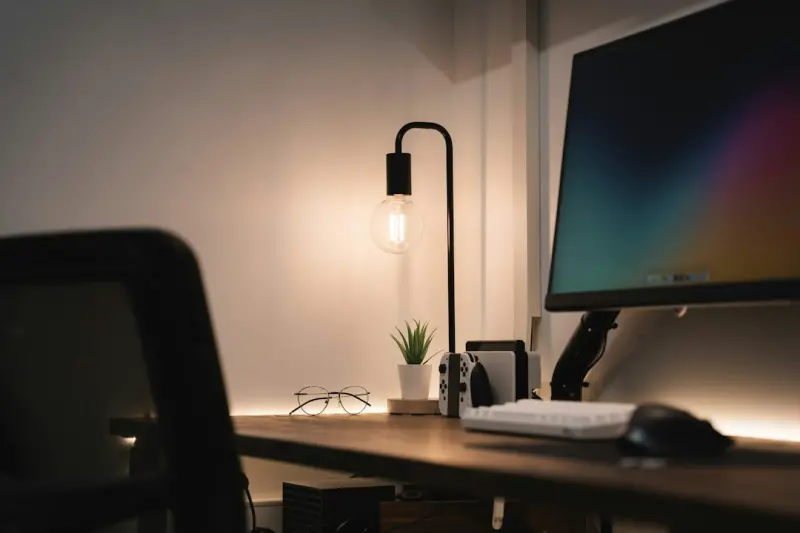
When we talk about health in the age of remote work, the conversation often circles around ergonomics, movement, and screen time. Yet, there’s an invisible factor that quietly dictates our energy, mood, and sleep quality: light. The quality, timing, and intensity of the light that streams into our workspaces can either sync our internal clocks or throw them into chaos.
The Science Behind Circadian Rhythm and Light
Our bodies run on a 24‑hour internal clock called the circadian rhythm. This rhythm is regulated by a tiny cluster of neurons in the brain known as the suprachiasmatic nucleus (SCN). The SCN receives direct input from retinal cells that are especially sensitive to blue‑rich wavelengths (roughly 460‑480 nm). When these cells detect bright, cool‑toned light in the morning, they signal the SCN to suppress melatonin production, waking us up and sharpening our focus. Conversely, exposure to dim, warm‑toned light in the evening tells the SCN to release melatonin, nudging us toward sleep.
When the rhythm is well‑aligned, we enjoy steadier energy, better mood regulation, and deeper, more restorative sleep. Misalignment—often called “social jetlag”—can manifest as chronic fatigue, irritability, weight gain, and even long‑term metabolic disorders.
Remote Work Has Tilted the Balance
Working from home usually means we spend more time under artificial lighting and less time basking in natural daylight. Many home offices are tucked away in corners with limited windows, or they rely on overhead LED panels that emit a steady, cool light all day. While these lights keep us productive, they can also keep melatonin suppressed well into the evening, making it harder to unwind.
Moreover, the flexibility that remote work offers often blurs the line between “work hours” and “personal time.” A quick glance at an email at 10 p.m. under a bright desk lamp can send a false signal to the SCN that it’s still daytime, extending the “awake” phase and shortening the restorative sleep window.
Practical Lighting Hacks to Re‑Calibrate Your Clock
Below are evidence‑backed tweaks you can implement today without a full home renovation. Each step is designed to mimic the natural progression of daylight—bright and cool in the morning, gradually warmer as the day turns to night.
- Morning Sunburst: Open curtains the moment you start your day. Aim for at least 30 minutes of direct sunlight on your workspace. If natural light is scarce, invest in a full‑spectrum daylight lamp that emits around 10,000 lux. Use it for the first hour of work to give your SCN the “daytime” cue it craves.
- Blue‑Light Filtering After Noon: Around 2 p.m., switch to bulbs with a lower color temperature (around 3000 K). Many smart bulbs allow you to schedule a “warm‑up” routine that automatically dims the cool blue component.
- Evening Warm‑Down: In the last two hours before bedtime, replace overhead lighting with amber or red lamps. These wavelengths have minimal impact on the retinal cells that signal the SCN, allowing melatonin to rise naturally.
- Control Light Spill: Position screens so they’re not reflecting bright ceiling lights. Use matte screen protectors or anti‑glare filters to reduce indirect blue light exposure.
- Use Light‑Therapy Boxes Sparingly: If you struggle with morning sluggishness, a 10‑minute session with a light‑therapy box (10,000 lux, 5000 K) can boost alertness. Avoid using it after 3 p.m. to prevent evening melatonin suppression.
- Integrate Nature Indoors: Pair your lighting strategy with biophilic elements. Adding plants not only improves air quality but also enhances the perception of natural light. For more ideas, check out biophilic hacks to boost your home’s energy and mood.
Smart Lighting Systems: Automation Meets Biology
Modern smart‑home ecosystems let you automate lighting changes based on time of day, location, or even your calendar. Here’s how to set them up for circadian health:
- Geo‑Fencing: Use your phone’s GPS to trigger a “sunrise” scene when you’re within a few miles of home in the morning. This can gradually brighten your workspace before you even step inside.
- Sunset Sync: Link your lights to your local sunset time. As the sun dips, the system automatically shifts to warmer hues, mimicking the natural evening glow.
- Work‑Break Integration: Schedule short “soft‑light” breaks every 90 minutes. Dim the lights to a low, warm setting for 5 minutes to give your eyes a rest and signal a micro‑reset to the SCN.
Many platforms also allow you to integrate with wellness apps that track sleep. When your sleep tracker detects you’ve logged sufficient rest, it can trigger a “bright‑morning” routine the next day, ensuring you start each day with optimal light exposure.
The Role of Screen Time: Balancing Productivity and Rest
While we’ve highlighted ambient lighting, the light emitted directly from screens is an equally potent circadian influencer. Here’s a quick checklist to keep screen light in check:
- Enable “night mode” or “blue‑light filter” after 6 p.m.
- Reduce screen brightness to match the surrounding light level.
- Prefer larger fonts and higher contrast to avoid squinting, which can cause eye strain.
- Take a small tech break every hour: look away for 20 seconds at something 20 feet away (the 20‑20‑20 rule).
Case Study: A Week of Light‑Optimized Remote Work
To illustrate the impact, I piloted these lighting changes for a single workweek. Here’s what happened:
| Day | Morning Light Exposure | Evening Light Exposure | Sleep Duration | Subjective Energy (1‑10) |
|---|---|---|---|---|
| Monday | 45 min natural + 10 min daylight lamp | Warm amber after 8 p.m. | 7 h 45 m | 6 |
| Tuesday | 30 min natural + 15 min daylight lamp | Warm amber after 7:30 p.m. | 8 h 10 m | 7 |
| Wednesday | 60 min natural (opened blinds early) | Warm amber after 8 p.m. | 8 h 20 m | 8 |
| Thursday | 45 min natural + 10 min daylight lamp | Warm amber after 7 p.m. | 8 h 05 m | 7 |
| Friday | 30 min natural + 20 min daylight lamp | Warm amber after 7:30 p.m. | 7 h 55 m | 7 |
By the end of the week, I reported a noticeable lift in afternoon focus, fewer mid‑day crashes, and a smoother transition into bedtime. The data aligns with research showing that proper light exposure can boost alertness by up to 20 % and improve sleep latency by 15 %.
Combining Light with Other Wellness Pillars
Light is a cornerstone, but it works best when paired with movement, nutrition, and stress management:
- Micro‑Movement Breaks: Pair a short walk outside with a burst of natural light. Even a five‑minute stroll can reinforce the morning light cue.
- Nutritious Light‑Friendly Foods: Incorporate vitamin D‑rich foods (fatty fish, fortified dairy) to support the body’s response to sunlight.
- Mindful Breathing: Practicing deep breathing under a dim, warm light before bed can amplify the calming effect, signaling the brain that it’s time to wind down.
Common Mistakes to Avoid
Even with the best intentions, it’s easy to trip up:
- Over‑reliance on Cool‑White LEDs: While they’re energy‑efficient, they emit a high proportion of blue light that can keep you awake late into the night.
- Ignoring Light Gaps: Skipping morning sunlight exposure or dimming lights too early can leave the SCN confused, leading to fragmented sleep.
- One‑Size‑Fits‑All Approach: Everyone’s chronotype differs. Night owls may need a slightly delayed light schedule, while early birds benefit from earlier bright light exposure.
Putting It All Together: A 7‑Day Light Reset Plan
Ready to try? Follow this structured plan:
- Day 1 – Audit: Note the times you get natural light, the type of bulbs you use, and your current bedtime.
- Day 2 – Morning Boost: Open curtains immediately, add a 10‑minute daylight lamp session.
- Day 3 – Mid‑Day Adjustment: Switch to a 3000 K bulb after lunch; dim overhead lights by 20 %.
- Day 4 – Evening Wind‑Down: Replace all bright lights with amber bulbs two hours before your target bedtime.
- Day 5 – Smart Automation: Set up a sunrise/sunset schedule on your smart hub.
- Day 6 – Screen Hygiene: Activate night‑mode on all devices, and schedule a 20‑20‑20 eye break every hour.
- Day 7 – Review & Refine: Track sleep quality, energy levels, and mood. Adjust timing and intensity as needed.
After a week, you’ll likely notice clearer thinking, steadier energy, and a more restful night’s sleep. The key is consistency—our bodies need repeated cues to lock in the rhythm.
Looking Ahead: The Future of Light‑Centric Health Tech
Emerging technologies are poised to make circadian alignment even easier. Wearables that measure ambient light exposure are already being integrated with health platforms, offering real‑time feedback and personalized lighting recommendations. In the next few years, we can expect AI‑driven lighting that adapts not just to the time of day, but also to your biometric data—adjusting hue, intensity, and even flicker frequency to optimize focus, creativity, or relaxation on demand.
Until then, you have all the tools you need right at home: curtains, smart bulbs, a bit of discipline, and the willingness to let light be your silent health coach.

In the world of freelance writing, where creativity and adaptability are paramount, Michelle Fisher stands out as a dedicated and versatile professional. With a passion for crafting compelling narratives and a keen eye for detail, Michelle has established herself as a trusted voice.
Related Posts

The Hidden Health Benefits of Digital Minimalism
Digital minimalism isn’t about abandoning tech; it’s about curating it to protect your gut, brai... Read More

Why Community-Driven Fitness Is the Next Health Revolution
Discover the power of community-driven fitness, where neighborhoods become health hubs, leveraging m... Read More

The Quiet Threat: How Background Noise Shapes Remote Work Health
Explore the hidden impact of background noise on remote workers, from stress hormones to cognitive f... Read More
Top Posts

Beyond Clicks: Immersive AR Campaigns Redefine B2B Digital Marketing
Augmented reality is shifting from gimmick to growth engine in B2B digital marketing. This post outlines why AR matters, how to integrate it with existing stack...Read More

Navigating Tomorrow: The Quiet Revolution of Google Maps AR Live View
Google Maps’ AR Live View turns streets into interactive guides, blending digital cues with real‑world paths to redefine how we navigate, discover, and expe...Read More

When Search Gets Chatty: SEO Strategies for AI‑Driven Conversational Interfaces
This post reveals a step‑by‑step playbook for optimizing SaaS content for AI‑driven conversational search, covering keyword research, schema markup, techn...Read More
The Rise of Nomadic Hubs: How Remote Professionals Are Redefining Travel
Nomadic hubs blend productivity, community, and local immersion, offering remote workers a sustainable way to turn travel into a strategic advantage. This guide...Read More
0 Comments
Post Comment
You will need to Login or Register to comment on this post!