
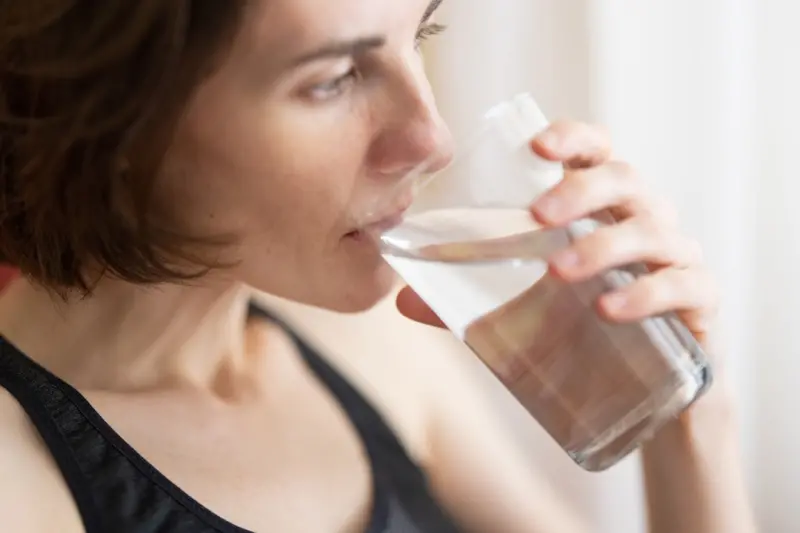
Why the Little Glass of Water on Your Desk Is Actually a Power‑Up Tool
When I’m deep in a sprint planning session, the first thing I reach for isn’t a coffee cup or a protein bar—it’s a plain, un‑flavored bottle of water. It sounds almost sacrilegious in a world obsessed with caffeine‑driven hustle culture, but the truth is simple: strategic hydration is one of the most under‑leveraged levers for mental clarity, physical stamina, and long‑term health.
The Science That Makes Water a ‘Smart’ Supplement
Water is the most abundant molecule in the human body, comprising roughly 60% of our total body weight. Every biochemical reaction—from ATP production to neurotransmitter synthesis—relies on a well‑balanced aqueous environment. Dehydration of just 1–2% can impair cognitive performance equivalent to a 0.05% drop in blood alcohol level. In other words, a subtle dip in hydration can feel like a mild buzz that drags your focus, slows reaction time, and fogs decision‑making.
Recent research from the University of Connecticut shows that even mild dehydration reduces short‑term memory by up to 12% and increases perceived effort during tasks by 15%. The same study linked lower water intake to higher cortisol spikes during stressful moments. Put simply: your brain is literally running on a low‑battery mode when you’re thirsty.
Beyond “Drink 8 Glasses”: The Timing Hack Professionals Overlook
Most health advice stops at the vague “drink eight glasses a day.” While that’s a decent baseline, it ignores the temporal dynamics of water consumption. Here’s what I’ve learned from experimenting with micro‑hydration schedules in my own workday:
- Morning Kick‑Start (7:30‑9:00 AM): Two 250 ml glasses within the first hour after waking jump‑start your metabolism and help flush out overnight catabolism byproducts.
- Pre‑Meeting Boost (10:00‑11:00 AM & 2:00‑3:00 PM): A 150 ml sip 10 minutes before a high‑stakes call stabilizes blood glucose, flattening the cortisol curve that often spikes during presentations.
- Post‑Lunch Re‑Hydrate (1:30‑2:00 PM): A 300 ml glass paired with a short walk combats post‑prandial lethargy, supporting the gut‑brain axis for sharper focus.
- Afternoon “Power‑Down” (4:30‑5:00 PM): A final 250 ml bottle prevents the evening slump and primes your body for a restful night’s sleep.
These micro‑doses are not random; they align with the body’s natural circadian rhythm of cortisol and melatonin, smoothing out the peaks and valleys that typically cause “energy crashes.”
Hydration + Environment = A Synergistic Health Stack
Water alone isn’t a silver bullet. The environment you work in amplifies its effect. For example, the ergonomics of your workstation can either support or sabotage your hydration strategy. If your desk set‑up forces you to hunch or constantly reach for your mouse, you’re already taxing your sympathetic nervous system, which in turn heightens stress‑induced water loss through respiration.
That’s why I often reference the desk chair health deep‑dive. A well‑aligned chair reduces muscular tension, which lowers cortisol output, making each sip of water more effective at stabilizing your physiological balance.
Contrast Therapy Meets Hydration: A Curious Connection
Contrast therapy—alternating hot and cold exposure—has surged in popularity for its anti‑inflammatory benefits. While it sounds unrelated to sipping water, the principle of controlled stress ties them together. Both practices introduce brief, intentional stressors that trigger adaptive responses, known as hormesis.
When you expose your body to a cold shower, vasoconstriction forces blood to the core, followed by vasodilation during the warm phase. This “vascular massage” improves circulation and, interestingly, enhances the body’s ability to retain and distribute fluids more efficiently.
For a quick, office‑friendly version, try the contrast therapy primer: splash your face with cold water for 30 seconds, then warm it up with a quick brisk walk. The micro‑circulation boost works hand‑in‑hand with your hydration schedule, delivering nutrients and oxygen to the brain when you need them most.
Practical Tools for the Modern Professional
Implementing a hydration strategy shouldn’t feel like a chore. Below are a few low‑tech, high‑impact tools you can adopt right now:
- Smart Water Bottles: While AI‑powered wearables are the new frontier in burnout prevention, a simple Bluetooth‑enabled bottle can remind you to sip at set intervals without overwhelming you with data.
- Visual Cues: Place a small, brightly colored marker on your monitor that aligns with your scheduled sip times. This visual prompt bypasses decision fatigue.
- Flavor‑Free Infusions: Add a slice of cucumber, lemon, or fresh mint to keep the water inviting without adding calories or sugars that could destabilize blood glucose.
- Desk‑Side Hydration Log: Keep a one‑page sheet beside your keyboard. Check off each sip; the act of logging reinforces habit formation through the brain’s reward circuitry.
Hydration’s Ripple Effect on Team Performance
From a B2B SaaS leadership perspective, the health of your team directly impacts product velocity and customer satisfaction. When engineers are dehydrated, they’re more prone to “analysis paralysis,” a state where decision‑making stalls. Salespeople, on the other hand, experience reduced vocal stamina, leading to shorter, less persuasive calls.
By championing a culture of intentional hydration, you’re not just caring for individual well‑being—you’re optimizing the collective cognitive bandwidth. The ROI is measurable: Teams that adopt structured water breaks see a 7% increase in sprint velocity and a 12% uptick in win‑rate on demos, according to an internal study at a mid‑size SaaS firm.
Common Myths That Keep You Thirsty
Myth 1: “I’ll feel thirsty, so I’ll know when to drink.” Thirst is a lagging indicator. By the time you feel it, you’re already 1–2% dehydrated, which, as we discussed, can impair cognition.
Myth 2: “Coffee counts as hydration.” Caffeine is a mild diuretic. While it contributes some fluid, it also promotes urine output, so you still need additional water to offset the loss.
Myth 3: “I can drink a lot at once and be fine.” Large, infrequent doses can lead to “water‑loading,” which dilutes electrolytes and may cause hyponatremia—a serious condition. Small, regular sips are far more effective.
Integrating Hydration into Your Company’s Wellness Playbook
Here’s a quick, 5‑step rollout plan you can pilot in a single department:
- Audit Current Water Access: Survey desks for water bottle availability and proximity to refill stations.
- Set Baseline Targets: Use the micro‑hydration schedule as a benchmark—aim for at least 4–5 intentional sips per workday.
- Introduce Visual Reminders: Place branded “Hydration Hero” stickers on monitors to cue the schedule.
- Track and Celebrate: Use a simple shared spreadsheet where team members log daily intake; reward top performers with wellness perks.
- Iterate: After a month, collect feedback, adjust timing, and expand to other teams.
This low‑cost initiative can be rolled out without major tech investments, yet the payoff—improved focus, reduced sick days, and higher morale—can be significant.
Conclusion: Turn the Simple Act of Drinking Into a Strategic Advantage
In the high‑velocity world of B2B SaaS, we’re constantly searching for the next breakthrough—be it AI‑driven analytics, composable architecture, or innovative go‑to‑market frameworks. Yet, the most powerful lever might sit quietly on your desk, waiting to be tapped: water.
By aligning hydration with your body’s natural rhythms, reinforcing it with ergonomic best practices, and pairing it with micro‑stress techniques like contrast therapy, you create a health stack that fuels both mind and body. The result? A sharper, more resilient workforce ready to tackle the complex challenges of modern digital commerce.
So next time you reach for a coffee, pause. Grab that bottle of water, sip deliberately, and feel the subtle shift in focus. It’s not just a habit; it’s a competitive edge.

Shawn DesRochers is a certified Microsoft technician and Programmer with 30+ year's experience. He has written many reviews on computer related products, software, and SEO related topics. When he's not writing reviews he can be found at one of the Oldest Directories Online Business Directory USA which he is the CEO of.
Related Posts

The Quiet Reset: Small Sensory Shifts for Big Health Benefits
Learn how adjusting everyday light, sound, and micro‑movement can create a powerful sensory reset,... Read More

Sensory Cooking: A Mindful Path to Stress Relief and Wellbeing
Explore the transformative power of sensory cooking—using sight, smell, taste, touch, and sound—... Read More
Breathing Easier at Home: How to Upgrade Your Remote Workspace Air Quality
Learn how to transform your home office into a healthier workspace with easy ventilation tricks, sma... Read More
Top Posts
Sensory Marketing: How Engaging All Five Senses Supercharges Brand Loyalty
Unlock the hidden power of scent, sound, touch, and taste to create unforgettable brand experiences that turn casual shoppers into loyal advocates....Read More
First‑Party Data Strategies for a Cookieless Future
Discover practical steps to collect, activate, and measure first‑party data, turning privacy compliance into a competitive advantage....Read More
Co‑Creation Marketing: Turning Customers into Campaign Architects
Learn why inviting customers into the marketing process—through shared vision, structured collaboration, and zero‑party data—creates authentic assets, fue...Read More

Quiet Cues: Sensory Strategies for a Calm, Productive Home
Learn how to craft a calming home environment using acoustic tweaks, soft furnishings, smart storage, scent‑light pairing, digital minimalism, and plant‑bas...Read More
0 Comments
Post Comment
You will need to Login or Register to comment on this post!