
Why Experiential Pop‑Ups Are the New Growth Engine
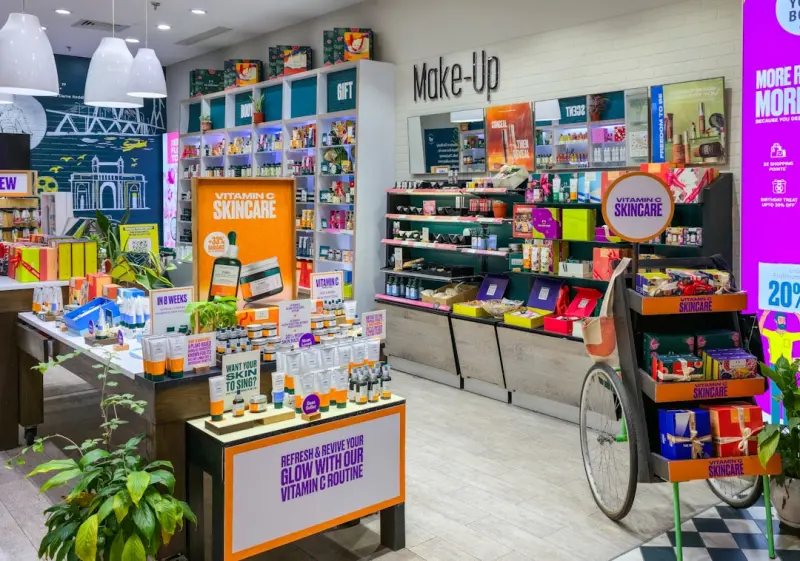
When I first walked into a pop‑up that felt more like a living room than a sales floor, I realized that modern marketing is no longer about pushing messages—it’s about creating moments that people can step into, breathe, and share. Experiential pop‑ups blend the tactile allure of brick‑and‑mortar with the data‑driven precision of digital campaigns, letting brands test concepts, harvest real‑time feedback, and ignite organic buzz without the overhead of a permanent storefront. The magic lies in the scarcity‑driven excitement; a limited‑time activation turns a casual passerby into a brand advocate who feels privileged to have witnessed something exclusive. By weaving storytelling, sensory triggers, and interactive technology into a temporary space, marketers can craft a micro‑universe where every touchpoint feels intentional, memorable, and instantly shareable across social feeds.
Designing for the Senses: From Visuals to Smell
In my experience, the most unforgettable pop‑ups are those that engage all five senses, turning a simple product showcase into a multisensory narrative that lingers long after the doors close. Imagine walking into a pop‑up where the lighting shifts to match the brand’s color palette, a subtle scent of citrus evokes freshness, and a curated playlist whispers the brand’s personality—each element is meticulously calibrated to reinforce the core message while prompting subconscious emotional connections. By partnering with scent‑design studios, leveraging programmable LED walls, and curating tactile experiences such as textured product samples, marketers can create a holistic environment that feels both immersive and authentic. The result? Consumers leave not just with a product, but with a vivid memory that translates into higher recall and a stronger propensity to recommend the brand to friends and family.
Data Capture in Real Time: Turning Footfall Into Insight
While the ambience captures hearts, the back‑stage technology captures data, and that duality is where the true ROI of pop‑up marketing shines. By deploying QR‑code check‑ins, Bluetooth beacons, and facial‑recognition heat maps—always with clear consent—you can instantly gauge which zones attract the most dwell time, which product displays spark the highest interaction, and which messaging resonates most strongly. I’ve seen brands integrate community‑driven brand advocacy tools directly into the pop‑up experience, allowing visitors to sign up for exclusive groups on the spot, thereby feeding a pipeline of passionate ambassadors. The real‑time dashboards feed into agile decision‑making; if a particular demo station underperforms, the team can pivot on the fly, adjusting signage or staff focus to maximize engagement before the pop‑up closes its doors.
Leveraging Influencer Partnerships for Amplified Reach
One of the most potent levers I’ve pulled in recent campaigns is the strategic alignment of micro‑influencers with the pop‑up’s narrative, turning each influencer into a living billboard that amplifies the experience beyond the physical walls. By inviting a curated group of creators whose audiences align with the brand’s target demographics, you generate authentic, user‑generated content that feels less like an ad and more like a personal recommendation. These influencers can host live‑stream tours, conduct behind‑the‑scenes interviews, or even co‑create limited‑edition products on‑site, providing followers with a real‑time invitation to join the event. The result is a cascade of organic reach: each post, story, or reel becomes a ripple that draws new foot traffic, fuels social chatter, and enriches the brand’s digital repository with fresh, high‑engagement assets that can be repurposed across campaigns.
Purpose‑First Storytelling in Temporary Spaces
In today’s socially conscious marketplace, a pop‑up that merely showcases a product risks being dismissed as a gimmick; instead, weaving a purpose‑driven narrative into the very fabric of the experience can turn a transaction into a movement. I’ve found that aligning the pop‑up’s theme with a tangible social cause—whether it’s sustainability, mental‑health awareness, or community empowerment—creates a resonant emotional hook that compels visitors to act, not just purchase. By collaborating with nonprofits, displaying impact metrics on interactive screens, and offering donation stations where every sale contributes to a cause, brands can demonstrate authentic commitment. This approach not only deepens brand loyalty but also aligns with the principles outlined in purpose‑first marketing, turning values into a measurable growth engine that resonates with today’s ethically minded consumers.
Omnichannel Integration: Bridging Physical and Digital Journeys
To truly maximize the impact of a pop‑up, it must exist as a seamless node within an omnichannel ecosystem, ensuring that the excitement generated on the floor continues to echo across the brand’s digital touchpoints. I encourage marketers to embed QR‑linked product pages, AR filters that extend the physical experience into the smartphone, and post‑visit email sequences that deliver exclusive content, discounts, or behind‑the‑scenes footage. By syncing the pop‑up’s inventory with e‑commerce platforms, visitors who fall in love with a product but miss the limited‑time purchase window can still complete the transaction online, preserving the momentum generated by the in‑person encounter. This cohesive strategy ensures that the pop‑up acts as a catalyst, not an isolated event, driving sustained engagement across social media, email, and website channels long after the physical space has been dismantled.
Measuring Success: Beyond Footfall and Sales
While foot traffic and immediate sales are obvious metrics, the true success of an experiential pop‑up lies in its ability to shift brand perception, increase affinity, and generate long‑term advocates. I recommend constructing a balanced scorecard that includes qualitative measures such as Net Promoter Score (NPS) collected on‑site, sentiment analysis of social mentions during the activation, and post‑event surveys that gauge shifts in brand trust. Additionally, tracking the lift in user‑generated content—hashtags, story mentions, and shared reels—provides a proxy for organic amplification. By integrating these data points into a unified analytics dashboard, marketers can attribute incremental lift to the pop‑up, justify budget allocations, and extract actionable insights that inform future activations. In essence, the pop‑up becomes a living laboratory where hypotheses are tested, learnings are harvested, and the brand’s strategic roadmap is refined with precision.
Future‑Proofing Pop‑Ups: Sustainability and Scalability
Looking ahead, the longevity of pop‑up marketing will depend on its ability to adapt to evolving consumer expectations around sustainability and scalability. I’ve started to design pop‑ups using modular, reusable components—think recyclable signage, solar‑powered lighting, and furniture that can be reconfigured for different campaigns—so that each new activation leaves a smaller environmental footprint while reducing setup costs. Moreover, by developing a playbook that outlines brand‑consistent design language, data collection protocols, and influencer partnership frameworks, teams can replicate successful pop‑up formulas across multiple markets with minimal friction. This blend of eco‑conscious design and operational efficiency not only aligns with the growing demand for responsible marketing but also ensures that the pop‑up model remains a viable, high‑impact tactic in the marketer’s toolkit for years to come.

In the world of freelance writing, where creativity and adaptability are paramount, Michelle Fisher stands out as a dedicated and versatile professional. With a passion for crafting compelling narratives and a keen eye for detail, Michelle has established herself as a trusted voice.
Related Posts
Sensory Storytelling: Crafting Multi‑Sense Experiences for B2B Buyers
Margaret Thomson explains why adding sight, sound, touch, scent, and even taste to B2B campaigns can... Read More
Turning Niche Communities into Loyal Brand Advocates
Learn the proven steps to transform small, passionate online groups into powerful brand advocates th... Read More
Turning Employees into Brand Ambassadors: A Playbook for SaaS Marketing
Learn a step‑by‑step framework to build a sustainable employee advocacy program that amplifies r... Read More
Top Posts

Composable Architecture: Building Modular SaaS for Speed and Scale
Composable architecture lets SaaS teams build modular, interchangeable components that accelerate feature delivery, improve reliability, and future‑proof prod...Read More

How a Pocket Library Transforms Every Journey
Explore how carrying a simple paperback can reshape travel experiences, turning mundane commutes into immersive journeys and connecting you with local stories w...Read More

From Data Clean Rooms to Consent‑First Personalization: Winning Strategies for a Cookieless Digital Landscape
Explore privacy‑centric tactics—data clean rooms, unified customer profiles, and consent‑first personalization—that let marketers thrive without thirdâ€...Read More

Reclaiming Your Brain: A Practical Blueprint for Digital Detox
A detailed guide shows how to map your digital habits, set signal‑to‑noise goals, create device‑free zones, and use mindful breaks to restore mental clari...Read More
0 Comments
Post Comment
You will need to Login or Register to comment on this post!