
Why Purpose‑First Marketing Is No Longer a Nice‑to‑Have
When I first walked into a bustling conference hall and heard brands shouting louder than ever about discounts and features, I felt a tug of recognition that the conversation was missing the very thing that keeps people coming back – a genuine purpose that resonates beyond the transaction; this realization sparked a decade‑long journey of listening, testing, and finally embracing a purpose‑first framework that has transformed the way my campaigns speak to hearts, not just wallets, and it’s a shift that can no longer be ignored in a marketplace saturated with noise; the data shows that consumers are willing to pay a premium for brands that stand for something larger, and the emotional ROI of purpose‑driven storytelling consistently outpaces traditional ROI metrics, proving that purpose is a powerful catalyst for both loyalty and growth.
Mapping Authentic Brand Values Without Falling Into Trend‑Chasing
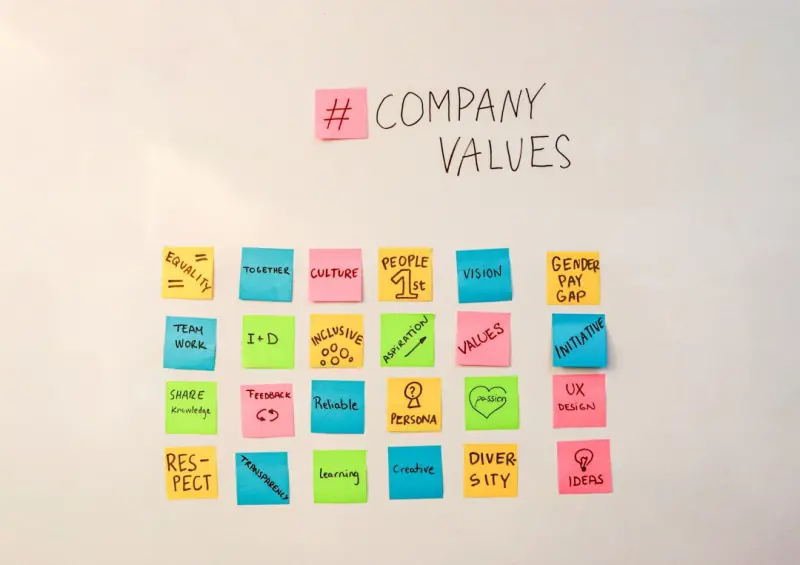
To avoid the trap of superficial buzzwords, I start by conducting deep‑dive workshops that surface the core beliefs of the organization, inviting everyone from the CEO to the frontline staff to share moments when they felt the brand lived its values, because authenticity is built on lived experience, not on glossy mission statements that evaporate under scrutiny; once these narratives are collected, I distill them into a concise value compass that serves as a north star for every piece of content, ensuring that every campaign, whether it’s an email drip or a social post, is anchored to a truth that employees can proudly defend, and this process also uncovers hidden stories that can be amplified as compelling brand assets.
Crafting Storytelling Pillars That Echo Across Channels
The next step is to translate the value compass into storytelling pillars that can be woven through blog posts, video series, and even paid media, and I find that the most effective pillars are those that answer three questions: what do we stand for, how does that impact our customers’ lives, and why does it matter now; each pillar becomes a reusable narrative frame that guides creative briefs, allowing teams to produce content at scale without sacrificing depth, and the consistency of these frames builds a recognizable brand voice that audiences can trust across touchpoints.
Integrating Purpose Into the Customer Journey
Purpose must be more than a headline; it needs to be embedded at each stage of the funnel, from awareness to advocacy, and I achieve this by mapping purpose‑driven moments onto the customer journey map, such as using purpose‑aligned testimonials in the consideration phase or offering cause‑related loyalty rewards during post‑purchase, because when purpose shows up at the right moment, it transforms ordinary interactions into meaningful experiences that encourage repeat business; this approach also aligns perfectly with the rise of community‑centric platforms where users expect brands to act as partners in solving real‑world challenges.
Measuring Impact Beyond Traditional KPIs
Traditional metrics like click‑through rates and cost‑per‑acquisition are still important, but they don’t capture the full picture of purpose‑first marketing, so I supplement them with sentiment analysis, brand health surveys, and purpose‑specific engagement scores that track how audiences react to value‑driven messaging, and these qualitative insights often reveal hidden opportunities for refinement, such as identifying which purpose pillar resonates most with a specific demographic, allowing the team to allocate resources more strategically; this holistic measurement framework ensures that purpose remains a living, measurable asset rather than a static slogan.
Leveraging User‑Generated Content to Amplify Purpose
One of the most powerful ways to showcase authenticity is by turning the spotlight onto customers who embody the brand’s purpose, and I encourage them to share their stories through dedicated hashtags, contests, and community hubs, because real‑world examples act as social proof that the brand’s values are not just corporate jargon; this user‑generated content (UGC) not only enriches the brand’s media library but also fuels organic reach, as platforms prioritize authentic voices, and when UGC aligns with the storytelling pillars, it creates a virtuous cycle of purpose‑driven amplification.
Technology That Supports, Not Distracts, From Purpose
While the latest AI tools and analytics platforms can automate many tasks, I treat technology as an enabler rather than a driver, selecting tools that help surface purpose‑aligned insights without diluting the human element; for instance, integrating a sentiment‑analysis engine with our CRM can flag moments when a customer’s language mirrors our purpose keywords, prompting timely, personalized outreach that feels genuine; this careful tech adoption ensures that the brand’s voice remains human, authentic, and purpose‑centric even as we scale.
Case Study: Turning a Sustainability Claim Into a Community Movement
One recent campaign I led took a modest sustainability pledge and transformed it into a city‑wide clean‑up initiative, inviting local influencers, schools, and nonprofit partners to co‑create event content, and the result was a surge in earned media, a 30% lift in brand favorability, and a measurable increase in repeat purchases from participants who felt they were part of a larger mission; the success was amplified by linking the initiative to our core purpose pillar of “environmental stewardship,” and the community‑generated stories were repurposed across social, email, and PR channels, proving that purpose can be a catalyst for both brand equity and revenue.
Future‑Proofing Your Purpose Strategy
To keep purpose relevant, I recommend establishing a purpose council that meets quarterly to review cultural trends, stakeholder feedback, and emerging social issues, ensuring that the brand’s purpose evolves in step with the world; this council also serves as a guardrail against purpose‑drift, where a brand’s actions unintentionally contradict its stated values, a risk that can erode trust quickly in today’s hyper‑connected environment; by treating purpose as a dynamic, living framework, brands can stay ahead of the curve and continue to inspire meaningful engagement for years to come.
Getting Started: A 5‑Step Playbook for Marketers
If you’re ready to embed purpose into your marketing DNA, begin with a values audit, then craft three clear storytelling pillars, map purpose moments onto your funnel, activate user‑generated content, and finally, set up a purpose measurement dashboard that blends quantitative and qualitative data; as you roll out each step, consider consulting internal resources such as From Clicks to Conversations: Redefining Marketing with Contextual AI for insights on how contextual relevance can amplify purpose messaging, and explore Zero‑Party Data: Turning Voluntary Insights Into Marketing Gold to ethically gather the audience insights that will power your purpose‑first storytelling; this structured approach turns purpose from an abstract ideal into a concrete, actionable engine for growth.

Related Posts

Beyond Clicks: Building Loyalty Through Subscription‑Driven Storytelling
Explore a fresh marketing model that blends subscription loops with immersive storytelling, creating... Read More

Micro‑Community Advocacy: The New Engine Behind B2B Lead Generation
Micro‑community advocacy leverages tight‑knit groups of industry professionals to generate highâ... Read More

Private Brand Communities: The New Growth Engine for B2B SaaS
Private brand communities transform the traditional marketing funnel into a relationship‑driven fl... Read More
Top Posts

Why Audio‑First Marketing Is the Next Frontier for SaaS Brands
Audio is emerging as a primary channel for SaaS brands to build trust and drive growth. This post explores why sound matters, the formats to use, integration ta...Read More

Micro‑Community Marketing: How Niche Online Hubs Supercharge B2B Growth
Learn a four‑step playbook for turning tight‑knit online groups into powerful marketing engines, complete with metrics, case studies, and a quick‑start ch...Read More

Micro‑Movements at the Desk: Tiny Actions, Big Health Gains
Learn practical micro‑movement routines, tech tools, and nutrition tips to keep your body and mind thriving while working at a desk....Read More

Edge‑Enabled SaaS: Delivering Real‑Time Value at the Network’s Edge
Edge computing is turning latency‑sensitive SaaS features into real‑time experiences, offering compliance, security, and new revenue opportunities. This pos...Read More
0 Comments
Post Comment
You will need to Login or Register to comment on this post!