
Why Conversational Interfaces Are the New Search Frontier
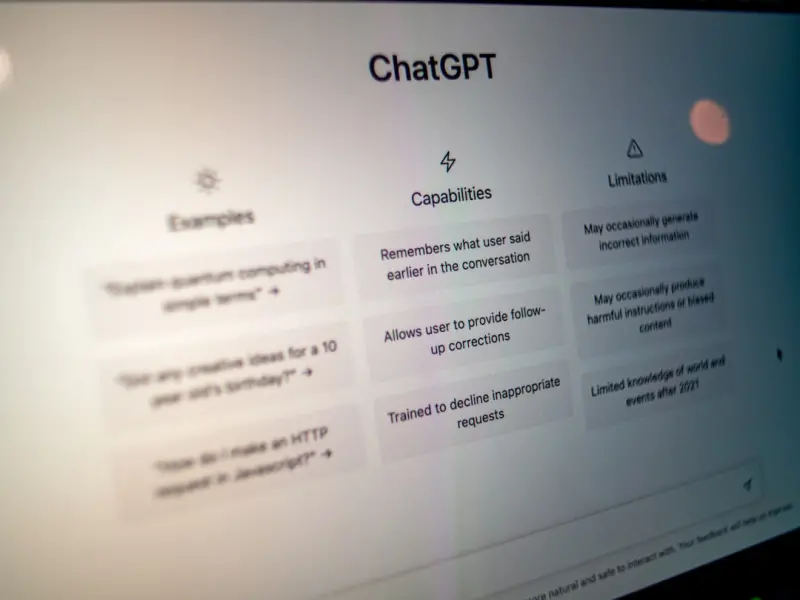
When I first started optimizing sites for Google’s classic results pages, the focus was on keywords and backlinks. Today, AI assistants like ChatGPT, Claude, and Gemini are reshaping how users retrieve information, turning a single query into a fluid, back‑and‑forth dialogue. This shift means that the traditional “page‑rank” mindset no longer captures the full picture; instead, we must consider how our content will sound in a conversational setting. The rise of these assistants is not a passing fad—they’re embedded in smartphones, smart speakers, and even car dashboards, creating a parallel search universe where the answer, not the link, is the prize.
Unlike the classic SERP, where a list of ten blue links competes for clicks, AI‑driven answer engines synthesize information from multiple sources before delivering a concise response. This “knowledge‑graph” approach bypasses the click entirely, echoing the zero‑click SERP phenomenon but taking it a step further by generating original prose. For marketers, the challenge is no longer merely ranking; it’s about being the authoritative voice that these models choose to quote. The stakes are high because a single well‑crafted snippet can dominate the conversation across millions of user interactions.
To thrive in this environment, we need to master user intent clustering that goes beyond simple keyword groups. By mapping out the possible follow‑up questions a user might ask, we can create a web of interconnected content that feels natural in a dialogue. This method aligns closely with the principles of semantic entity clustering, yet it emphasizes the sequential flow of a conversation rather than isolated topic buckets. Imagine a user asking, “What are the health benefits of meditation?” and then following up with, “How often should I practice?” Your content should be ready to answer both, seamlessly guiding the AI’s narrative.
Structuring Content for AI Readability
AI models ingest data the way we teach machines—through structured, machine‑readable formats. Implementing comprehensive schema markup is no longer optional; it’s the lingua franca that tells an assistant how to interpret and relay your information. Use schema types like FAQPage, HowTo, and Article to surface concise, answer‑ready blocks that the AI can pull directly into its response. This not only boosts visibility in traditional SERPs but also positions your content as a reliable source for conversational answers.
Beyond markup, the prose itself must echo natural language patterns. Write in a tone that feels like a knowledgeable friend, breaking down complex ideas into bite‑size sentences. Organize content with clear headings, bullet points, and short paragraphs—these cues help the AI parse the hierarchy and extract the most relevant facts. A practical tip is to create a dedicated FAQ section that anticipates the next logical question in a user’s journey, effectively pre‑empting the AI’s follow‑up queries and increasing the chance of being quoted.
Linking strategy also evolves in the conversational era. Internal links should form logical pathways that mirror a human’s thought process, guiding the AI from one concept to the next. When you reference broader themes, anchor them to cornerstone pieces that demonstrate depth and authority. For instance, discussing the role of machine learning in content creation can naturally lead readers—and the AI—to explore our detailed guide on AI‑powered content strategies. Such contextual linking not only improves crawl efficiency but also signals to AI models that your site offers a cohesive knowledge ecosystem.
Measuring Success and Future‑Proofing Your Strategy
Traditional metrics like organic traffic and click‑through rate only tell part of the story when AI assistants dominate the landscape. Instead, track “answer impressions”—the number of times your content is cited in a conversational response. Tools that monitor API calls or use structured data performance dashboards can reveal how often your snippets are being served, giving you a clear view of impact beyond clicks. Combine this with engagement metrics such as dwell time on the page after an AI‑driven referral to gauge user satisfaction.
Testing becomes an iterative, data‑driven exercise. Conduct A/B experiments on phrasing, schema variations, and FAQ structures to see which formats the AI prefers. Monitoring changes in answer impressions after each tweak provides real‑time feedback, allowing you to fine‑tune your content for optimal recall. This proactive approach mirrors the tactics used for zero‑click SERP optimization but adds a layer of conversational nuance that keeps your brand relevant as AI models evolve.
Looking ahead, the key to staying ahead is to embrace flexibility and continuous learning. As AI assistants become more sophisticated, they will demand richer, more context‑aware content. By building a solid foundation of structured data, conversationally written copy, and strategic internal linking, you’ll position your site to thrive in both traditional search and the emerging AI‑first ecosystem. The future of SEO isn’t just about ranking—it’s about becoming the trusted voice that guides the next generation of digital conversations.

Karen Edwards is a seasoned freelance writer with a passion for all things furry, feathered, and scaled. With a dedicated focus on pets, she brings a wealth of knowledge and a keen eye for detail to her writing.
Related Posts

Privacy‑First SEO: Ranking Without Third‑Party Cookies
Learn why shifting to privacy‑centric SEO tactics—like structured markup, intent‑driven conten... Read More

Beyond Text: How Visual Search Is Redefining SaaS SEO
Visual search is rapidly becoming a critical channel for SaaS discovery. This post explains why imag... Read More

SEO Playbook for Technical Docs: Ranking Your API Guides
Technical documentation is a gold mine for SEO. This post shows how to use structured data, smart in... Read More
Top Posts

Cultivating Private Communities to Supercharge Account‑Based Marketing
Private, invitation‑only communities turn prospects into co‑creators, delivering deep insights and faster sales cycles. Learn a 5‑step playbook to embed c...Read More

Community‑First Marketing: Turning Niche Tribes into Growth Engines
Explore a fresh digital marketing angle that puts niche online tribes at the center, driving authentic engagement, measurable impact, and sustainable brand grow...Read More

Beyond Rankings: How PWAs Are Redefining SEO Success
Explore how PWAs transform SEO by improving Core Web Vitals, enhancing user engagement, and opening new link‑building opportunities—all backed by real‑wor...Read More

How to Harness Google’s Sustainable Search for Eco‑Friendly SEO Success
Discover practical steps to leverage Google’s sustainable search initiative, from technical tweaks and green content strategies to measuring real carbon impac...Read More
0 Comments
Post Comment
You will need to Login or Register to comment on this post!