
Why Desk Health Matters More Than You Think
In an era where most of our professional lives unfold in front of a screen, the humble desk has become a silent accomplice to a host of musculoskeletal issues. From creeping lower‑back stiffness to stubborn neck tension, the cumulative effect of hours spent hunched over a keyboard is a public‑health concern that rarely makes headlines. Yet, unlike the flashier topics of sleep hygiene strategies or the latest meditation apps, the solution can be as simple as a series of intentional micro‑movements woven into your daily workflow.
The Science Behind Micro‑Movements
Research in occupational health has shown that brief, low‑intensity movements stimulate synovial fluid production, which lubricates joints and reduces wear. When you stand up for a minute or flex a muscle group for ten seconds, you trigger a cascade of circulation‑boosting responses that keep tissues nourished. Micro‑movements—defined here as purposeful actions lasting under thirty seconds—activate muscle fibers without the fatigue associated with traditional exercise routines.
Beyond the mechanical benefits, these tiny bouts of activity have neurocognitive perks. A quick stretch can reset the brain’s default mode network, sharpening focus and reducing the mental fog that often follows prolonged screen time. The result? A healthier spine, more resilient joints, and a brain that’s primed for sustained productivity.
10 Easy Micro‑Movements to Try Right Now
- Seated Cat‑Cow Stretch: Sit tall, place hands on knees, inhale as you arch your back (cow), exhale to round (cat). Repeat five cycles.
- Wrist Waves: Extend arms forward, palms down. Rotate wrists clockwise for ten seconds, then counter‑clockwise.
- Neck Release: Gently tilt your ear toward each shoulder, holding for eight seconds per side.
- Chair Squat Pulse: Stand, lower halfway into a squat, pulse up and down for fifteen seconds.
- Toe Tap March: While seated, alternately lift each foot, tapping the toe on the floor. Continue for 30 seconds.
- Shoulder Blade Squeezes: Pull shoulder blades together, hold for five seconds, release. Do ten reps.
- Hip Opener: Cross right ankle over left knee, gently press down on the right knee. Hold for ten seconds, switch sides.
- Chest Opener: Interlace fingers behind your back, straighten arms, and lift gently for a deeper inhale.
- Eye Palming: Rub palms together, cover eyes for fifteen seconds to relax ocular muscles.
- Micro‑Breath Reset: Inhale for four counts, hold for four, exhale for four, hold for four (box breathing). Incorporate this after every two micro‑movements.
Integrating Light and Breathing for Maximum Benefit
While micro‑movements target the musculoskeletal system, pairing them with optimal lighting and breathwork techniques creates a holistic health circuit. Natural daylight regulates circadian rhythms, which in turn influence cortisol levels—the hormone that spikes during stress. Position your monitor to minimize glare, and consider a desk lamp that mimics sunrise tones during early hours.
When you transition from a micro‑movement to a breath pause, you’re essentially giving your nervous system a chance to shift from the sympathetic “fight‑or‑flight” mode to the parasympathetic “rest‑and‑digest” state. This dual‑action not only reduces tension but also primes the brain for better information retention—a hidden productivity booster for knowledge‑workers.
Building a Sustainable Routine
Consistency is the linchpin of any health habit. Rather than viewing micro‑movements as an optional add‑on, embed them into the natural rhythm of your workday. Here are three practical frameworks:
- Pomodoro‑Pairing: After every 25‑minute focus sprint, spend the five‑minute break performing three micro‑movements.
- Meeting Warm‑Ups: Begin virtual calls with a quick shoulder roll and a breath reset. It signals both body and mind that it’s time to engage.
- Calendar Reminders: Set recurring ten‑second alerts every hour. When the notification sounds, stand, stretch, and breathe.
By anchoring movement to existing structures—time blocks, meetings, or calendar alerts—you eliminate the decision fatigue that often derails new habits.
Tools and Tech to Support You
For those who thrive on data, a handful of low‑cost gadgets can track your micro‑movement compliance. Wearable devices with “move reminders” can vibrate after periods of inactivity, prompting a quick stretch. Some smart desks even integrate posture sensors that flash a subtle light when you slouch, turning corrective action into a game.
If you’re a SaaS enthusiast, consider leveraging the very platforms that power your business. A simple workflow automation can send a Slack message, an email, or a Teams notification with a random micro‑movement suggestion. This not only democratizes the habit across teams but also fosters a culture of collective wellbeing.
The Ripple Effect: From Individual to Organization
When a single employee adopts micro‑movements, the benefits cascade. Reduced musculoskeletal complaints mean fewer sick days. Enhanced focus translates into higher output per hour, and the shared experience of brief movement breaks can strengthen team cohesion. Companies that champion these practices often see a measurable lift in employee Net Promoter Scores (eNPS) and a decline in healthcare costs.
Moreover, the commitment to physical health signals a broader corporate value: caring for the whole person, not just the output. In a marketplace where talent is scarce and retention is costly, such gestures become strategic differentiators.
Conclusion: Small Actions, Big Returns
Micro‑movements are the unsung heroes of modern health. They require no gym membership, no expensive equipment, and only a few seconds of your day. Yet, when practiced consistently and paired with mindful lighting and breathwork, they lay the foundation for joint longevity, mental clarity, and sustained professional excellence. The next time you feel the pull of the chair, remember: a tiny stretch could be the most powerful investment you make in your body—and in your career.

Margaret Thomson is a seasoned freelance writer specializing in the dynamic worlds of marketing and advertising. With a career deeply rooted in the marketing field, Margaret brings a wealth of practical experience and insightful knowledge to her writing.
Related Posts

Why Digital Detox is the Missing Pillar in Modern Professional Health
A deep dive into why unplugging is crucial for modern professionals, offering actionable steps to cr... Read More
Digital Detox Rituals: Small Tech Breaks That Supercharge Your Well‑Being
Learn how brief, intentional tech pauses can recalibrate your nervous system, enhance mood, and incr... Read More

Nature Soundscapes: The Quiet Productivity Boost for Remote Professionals
Natural soundscapes reduce stress hormones, enhance attention, and pair perfectly with micro‑movem... Read More
Top Posts

Riding Google’s 2026 AI Wave: A Marketer’s Insider Playbook
Explore Rose DesRochers’ insider guide to mastering Google’s 2026 AI wave—practical tactics, ethical insights, and tools that keep marketers ahead of the ...Read More
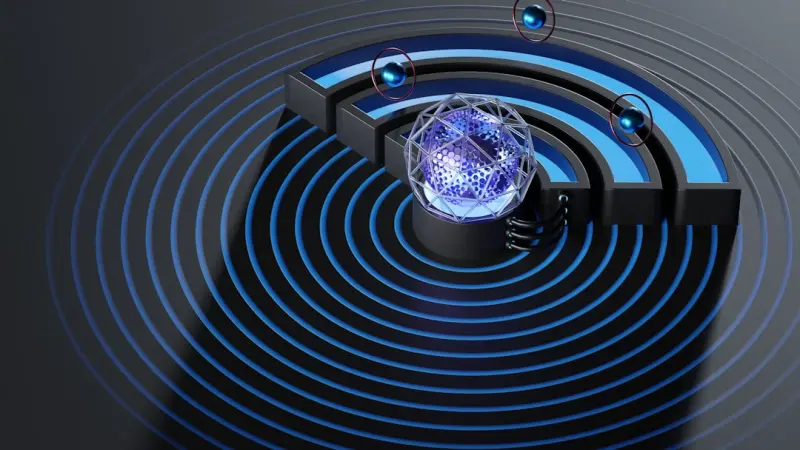
Ambient Computing: The Invisible Helpers Shaping Our Daily Lives
Discover the rise of ambient computing—how invisible sensors and edge AI turn ordinary environments into proactive, privacy‑focused assistants that enhance ...Read More

SEO Blueprint: Turning SaaS API Docs into Organic Traffic Engines
A step‑by‑step guide shows SaaS teams how to transform API documentation and developer resources into high‑ranking, traffic‑generating assets using stru...Read More

Riding the Google AI Wave: Rose DesRochers’ Insider Take on the Latest Revolution
Rose DesRochers gives an insider’s look at Google’s AI tsunami, highlighting practical steps to ride the wave and keep your brand ahead....Read More
0 Comments
Post Comment
You will need to Login or Register to comment on this post!