
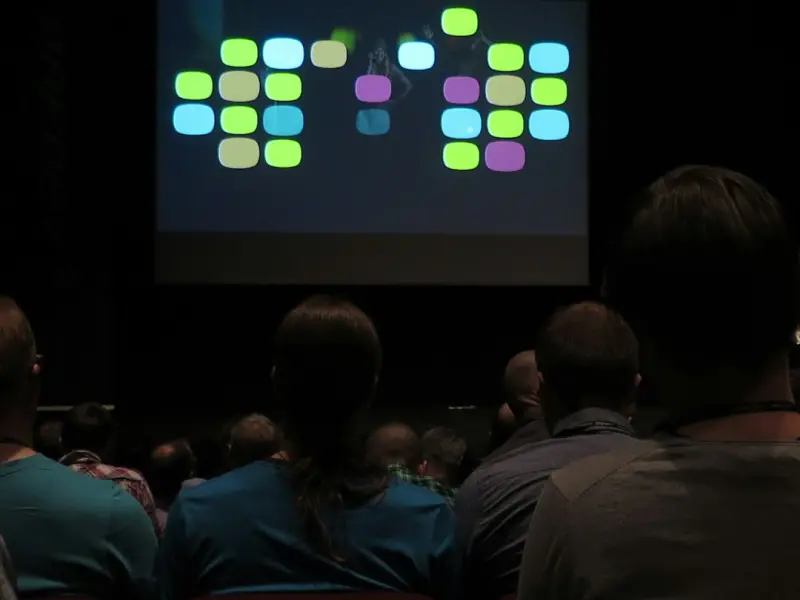
When Pixels Talk: AI‑Generated Visual Storytelling Redefines Digital Marketing
Imagine walking into a boutique where every display adjusts its colors, shapes, and even the soundtrack to match your mood, buying history, and the weather outside. Now replace the boutique with a digital platform, and you’ll get a taste of where visual AI is steering our marketing ships. I’m Rose, and after years of watching brands scramble for attention in a noisy feed‑filled world, I’m convinced that the next wave isn’t just about more content—it’s about content that learns to speak the language of the eye.
Why Visual AI Is Not a Fancy Add‑On, But a Core Engine
For a long time, marketers treated images like decorative flourishes: “Add a stock photo, sprinkle a few icons, and call it a day.” The reality is that visual assets now hold more data than a paragraph of text. With generative diffusion models, text‑to‑image engines, and AI‑driven video synthesis, a single pixel can convey:
- Brand personality calibrated to a specific audience segment
- Real‑time adaptation to a user’s behavior (scroll speed, hover time, click patterns)
- Dynamic storytelling that evolves as the funnel progresses
When those capabilities converge, the result isn’t just a prettier ad; it’s a responsive narrative that guides prospects from curiosity to conversion without a human hand‑off.
From Static Banners to Adaptive Visual Narratives
Let’s break down the evolution:
- Static graphics. Think banner ads designed once and served forever. Low ROI, high fatigue.
- Dynamic creatives. Using rules‑based engines (e.g., “if user is in NYC, show this skyline”). Better relevance, but still limited to pre‑programmed options.
- AI‑generated adaptive visuals. The system creates a new image or short video on the fly, informed by real‑time data points. This is the sweet spot where art meets algorithm.
What makes the third tier so compelling is its ability to personalize at scale. A global SaaS brand can serve a unique visual for each of its 10,000 inbound leads without hiring a design team for each variation.
How The Technology Works (Without The Tech Jargon)
At its core, visual AI relies on three pillars:
- Training data. Vast libraries of images, videos, and design patterns teach the model what “good” looks like.
- Prompt engineering. Marketers feed concise textual prompts (“young professional, remote work, sunrise, calming tones”) and the model conjures a matching visual.
- Feedback loops. Real‑time performance metrics (CTR, dwell time, conversion) fine‑tune the model, ensuring the next visual iteration learns from the previous one.
Think of it as a digital painter who watches the audience’s reactions and instantly adjusts the brushstroke.
Strategic Use‑Cases That Actually Move the Needle
Now that we’ve covered the “what,” let’s explore the “where.” Below are four high‑impact scenarios where AI‑generated visuals are already proving their worth.
1. Hyper‑Personalized Landing Pages
Traditional landing pages rely on A/B testing a handful of static designs. With visual AI, you can generate a unique hero image for each visitor based on their industry, role, and even recent content interactions. A product‑focused SaaS firm reported a 27% lift in conversion after swapping a generic hero banner for AI‑crafted, role‑specific visuals.
2. Interactive Email Campaigns
Email clients still struggle with video, but they love GIFs and static images. AI can spin up a brand‑consistent GIF that reflects a subscriber’s recent webinar attendance (“You just watched a session on data security—here’s a quick visual recap”). The result? Higher open rates and a measurable dip in unsubscribe spikes.
3. Real‑Time Social Ads
Social platforms thrive on fresh content. An AI engine can pull the latest product screenshot, overlay a seasonal theme, and push it as a carousel ad within minutes of a product update. Brands that embraced this approach saw a 15% reduction in cost‑per‑click because the ads felt “timely” rather than “recycled.”
4. Dynamic Video for Account‑Based Marketing (ABM)
ABM is all about relevance. Instead of sending a generic explainer video, you can generate a short, AI‑stitched clip that includes the prospect’s logo, a reference to their recent news headline, and a visual metaphor that aligns with their pain point. It’s a visual version of “Dear [Name], we understand your challenge…” and it lands.
Want to see how narrative can elevate ABM? Check out Narrative‑Driven ABM: Turning Prospects into Heroes for SaaS Growth for a deeper dive.
Designing With AI: Best Practices to Avoid “AI‑Art Fatigue”
Even the smartest AI can produce a visual that feels off‑brand or overly generic. Here’s my cheat sheet for keeping AI‑generated assets fresh and on‑message:
- Start with brand guidelines. Feed the model your color palettes, typography, and tone of voice as part of the prompt.
- Limit the creative horizon. Use “style tags” like “minimalist,” “flat‑design,” or “photorealistic” to steer the output.
- Human‑in‑the‑loop review. Have a designer review AI drafts before publishing. Think of AI as a rapid prototyping tool, not a finalizer.
- Monitor performance metrics. If a visual consistently underperforms, tweak the prompt or adjust the training data set.
Measuring Success: From Clicks to Cognitive Impact
Traditional metrics (CTR, CPM, conversion) still matter, but visual AI opens the door to deeper, cognitive measurements:
- Eye‑tracking heatmaps. Integrated with web analytics, they reveal which parts of a generated image draw attention.
- Emotion detection. Sentiment analysis on user comments or reaction emojis can gauge how a visual makes people feel.
- Recall tests. Follow‑up surveys that ask users to describe the image they saw can quantify brand recall.
When you combine these insights with the Structured Data Secrets for SaaS SEO Success, you create a feedback loop that not only informs future visual generation but also boosts organic discoverability.
The Ethical Tightrope: Authenticity vs. Manipulation
AI’s power to craft hyper‑realistic visuals also raises a red flag: where do we draw the line between personalization and deception? Here are three guardrails I recommend:
- Transparency. Include a subtle “AI‑generated” badge if the visual significantly alters reality (e.g., adding a product that doesn’t exist yet).
- Consent. Leverage first‑party data responsibly. If you’re generating visuals based on user behavior, make sure privacy policies are crystal clear.
- Human oversight. Never let a fully automated pipeline push content without a final human check, especially for regulated industries.
By respecting these principles, you protect brand integrity while still harnessing AI’s creative firepower.
Getting Started: A Practical 30‑Day Playbook
Ready to dip your toes into AI‑driven visual storytelling? Here’s a sprint‑ready roadmap:
- Day 1‑5: Audit your current visual assets. Catalog which images and videos perform best and why.
- Day 6‑10: Choose a visual AI platform. Options range from open‑source diffusion models to enterprise SaaS solutions. Look for APIs that let you plug in real‑time data.
- Day 11‑15: Build your prompt library. Draft 20‑30 prompts aligned with buyer personas, campaign themes, and seasonal moments.
- Day 16‑20: Run a pilot. Deploy AI‑generated hero images on a single landing page and monitor CTR, bounce, and conversion.
- Day 21‑25: Iterate. Refine prompts based on performance and involve a designer for final tweaks.
- Day 26‑30: Scale. Extend to email headers, social carousel ads, and ABM videos. Keep a dashboard tracking visual‑specific KPIs.
Remember, the goal isn’t to replace your creative team but to amplify their speed and ideation capacity. Think of AI as your “visual co‑pilot.”
Future Glimpse: Beyond 2D – AR, VR, and the Metaverse
We’re already seeing AI generate 2D images and short loops, but the next frontier is immersive. Imagine a prospect walking through a virtual showroom where each product’s appearance morphs based on their real‑time feedback—a blend of generative visual AI and spatial computing. While the metaverse is still nascent for B2B, early adopters who experiment now will own the narrative when the technology matures.
Wrapping Up: Your Brand’s New Visual Voice
Digital marketing is no longer a battle of words; it’s a choreography of sight, motion, and emotion. By letting AI paint your brand’s story in real time, you unlock a level of relevance that static assets could never achieve. The key is to start small, stay ethical, and always let data guide the brush.
So, the next time you draft a campaign brief, ask yourself: What would a visual that learns from my audience look like? The answer might just be the pixel‑perfect edge you’ve been searching for.

Related Posts

Storytelling at Scale: How Narrative‑Driven Content Fuels SaaS Growth
A deep dive into narrative‑driven marketing for SaaS, showing how compelling stories, backed by da... Read More

Zero‑Party Data: The Secret Weapon for Modern Digital Marketing
Zero‑party data lets customers voluntarily share preferences, turning curiosity into actionable in... Read More

Why Interactive Video Is the Next Frontier in B2B Digital Marketing
Interactive video is reshaping B2B digital marketing by turning passive viewers into active particip... Read More
Top Posts

The Nomadic Capsule: A Ten‑Piece Wardrobe That Powers Global Exploration
A ten‑piece capsule wardrobe frees mental space, cuts luggage weight, and aligns with sustainable travel, empowering wanderers to focus on experiences rather ...Read More

When AI Models Age: Guarding SaaS Against Drift and Decay
Model drift can silently undermine AI‑powered SaaS products. This guide shows how to embed detection, automate retraining, and align teams to keep AI performa...Read More
Inside Google’s New AI‑Powered Workspace: How Collaboration Is Evolving
A deep dive into Google’s AI‑enhanced Workspace suite reveals how real‑time assistance, smart suggestions, and integrated data protection are redefining t...Read More

Riding the Google AI Wave: Rose DesRochers’ Insider Perspective for 2024
Rose DesRochers shares her front‑row view of Google’s AI surge, offering actionable tactics, ethical guidance, and future predictions to help marketers domi...Read More
0 Comments
Post Comment
You will need to Login or Register to comment on this post!