
Beyond Keywords: Building a Semantic SEO Engine for B2B SaaS in the AI Era
When I first stepped onto the SEO stage, I was a kid armed with a spreadsheet of keywords and a naive belief that ranking was a numbers game. Fast forward a few product releases, a handful of failed experiments, and a lot of coffee, and I’ve learned that modern SEO—especially for B2B SaaS—is less about stuffing phrases and more about speaking the language of search engines’ emerging “understanding” of content.
In this post, I’ll walk you through a fresh, semantic approach to SEO that aligns your SaaS product with the AI‑driven SERP. We’ll dive into three pillars:
- Entity‑First Content Modeling – Treat concepts, not just words, as the building blocks of your pages.
- Structured Data for API & Feature Documentation – Leverage schema.org to make your technical assets discoverable.
- Voice & Conversational Query Optimization – Prepare for the rise of voice‑first B2B search.
By the end, you’ll have a roadmap you can start implementing today, turning the “semantic” buzzword into a tangible traffic engine.
1. Stop Thinking Keywords, Start Thinking Entities
Google’s Search Generative Experience (SGE) has turned the classic keyword‑centric mindset on its head. The engine now parses your content, extracts entities (people, products, processes) and maps them to its Knowledge Graph. The result? Search results that answer questions before the user even clicks.
So, what does that mean for a B2B SaaS company?
- Identify Core Entities: Every SaaS product is a constellation of concepts—user onboarding, role‑based access control, data encryption, and so on. Create a master list of these entities and the relationships between them.
- Map Content to Entities: Instead of a blog titled “Best Practices for Data Encryption,” structure the piece around the
DataEncryptionentity, linking it to related entities likeZeroTrustArchitectureandComplianceStandards. - Use Natural Language: Write for humans, but embed the entities naturally. The AI behind SGE rewards content that feels conversational while still covering the technical depth B2B buyers crave.
When you think in entities, you’re essentially speaking the same language as Google’s Knowledge Graph. The more overlap you have, the higher the chance your content will be featured in AI‑generated answer panels.
2. Structured Data: Your API Documentation’s Secret Weapon
Most SaaS companies pour resources into product features but overlook a goldmine—API documentation. Search engines love structured data, and schema.org now offers TechArticle, SoftwareApplication, and even APISchema types that let you annotate code snippets, endpoint descriptions, and usage examples.
Here’s a quick implementation checklist:
- Choose the Right Schema: Use
SoftwareApplicationfor product overviews,TechArticlefor deep‑dive guides, andAPISchemato expose endpoint details. - Embed JSON‑LD: Place a JSON‑LD block in the
<head>of each documentation page. Include properties likename,version,programmingLanguage, andurlfor each endpoint. - Link Entities: Reference the same entities from your main site (e.g., the “Data Encryption” entity) so Google can see the connection across your ecosystem.
- Test Rigorously: Use Google’s Rich Results Test and the Structured Data Testing Tool to verify that your markup is error‑free.
By exposing your API in a machine‑readable format, you enable two powerful outcomes:
- Discoverability: Developers searching for “OAuth 2.0 token endpoint example” can land directly on your docs.
- Authority Signals: Structured data tells Google you own the content, boosting confidence in the relevance of your pages.
As an anecdote, one of our customers added APISchema markup to their REST endpoint pages. Within two weeks, they saw a 32% lift in organic clicks from developers—traffic that previously never found them via traditional keyword search.
3. Voice & Conversational Query Optimization
Voice search isn’t just for “what’s the weather?” B2B buyers are increasingly using smart assistants to ask complex questions like, “Which SaaS platform offers PCI‑DSS‑compliant data encryption for multi‑tenant environments?” These queries are longer, more conversational, and often framed as a problem rather than a product name.
To capture this traffic, you need to:
- Adopt Question‑Based Headers: Turn H2 and H3 tags into natural questions—e.g., “How does role‑based access control improve security in a multi‑tenant SaaS?”
- Leverage FAQ Schema: Populate the
FAQPageschema with the exact questions you anticipate from voice searches. - Provide Concise Answers: Aim for 40‑50 word paragraphs that directly answer the question, followed by deeper technical details.
Don’t forget to tap into the broader SGE playbook. The same principles that guide generative snippets apply to voice—both rely on clear, entity‑rich, and succinct content.
4. Integrating Knowledge Graphs into Your SEO Strategy
If you haven’t yet explored how Knowledge Graphs can supercharge your SEO, you’re missing a strategic lever. By feeding your entity map into a graph database, you can surface hidden relationships that Google’s algorithms love to surface in “People also ask” and “Related searches” sections.
Start small:
- Export your entity list into a tool like Neo4j.
- Define relationships—
FEATURE_OF,REQUIRES,COMPLIES_WITH. - Generate internal linking patterns based on these connections, ensuring each page reinforces the graph.
When you align your site’s internal link architecture with a knowledge graph, you give crawlers a clear roadmap of how concepts interrelate, which can translate into richer SERP features.
For a deeper dive, see our piece on why knowledge graphs are the secret weapon for AI‑powered SaaS. It outlines how graph‑driven insights can feed back into product roadmaps and, as you’ll see, SEO too.
5. Measuring Success: From Rankings to Entity Authority
Traditional SEO metrics—keyword rankings, organic traffic, CTR—still matter, but they’re no longer sufficient to gauge the health of a semantic strategy. Add these to your dashboard:
- Entity Visibility Score: Use tools like SEMrush’s Topic Research or Ahrefs’ Content Explorer to track how often your core entities appear in SERP features.
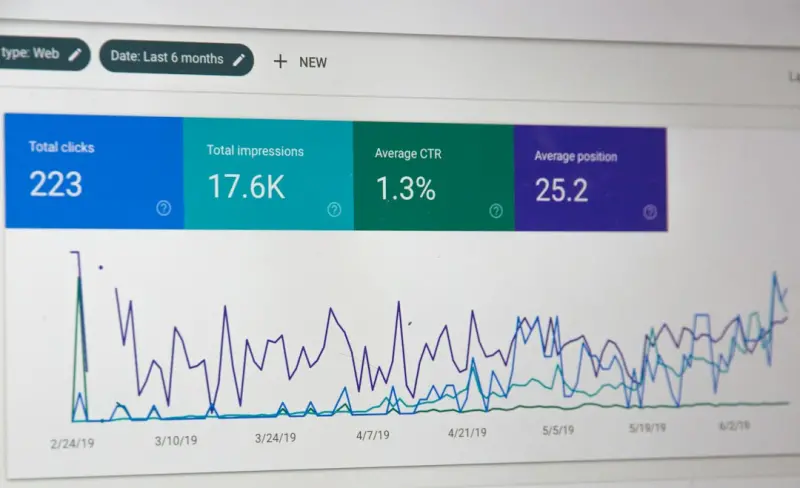
- Structured Data Rich Result Impressions: Google Search Console now reports impressions for rich results. Monitor growth after adding schema to your docs.
- Voice Search Click‑Through Rate: Track the “voice‑only” traffic segment in your analytics (filter by user‑agent containing “Alexa”, “GoogleAssistant”, etc.).
When these metrics move in tandem with traditional KPIs, you have evidence that your semantic SEO is resonating with both search engines and real users.
6. Putting It All Together: A 30‑Day Action Plan
Don’t try to overhaul everything at once. Here’s a pragmatic, sprint‑style roadmap you can execute in a month:
- Week 1 – Entity Audit: List 20–30 core entities for your product. Map each to an existing page or create a new “entity hub” page.
- Week 2 – Structured Data Rollout: Add JSON‑LD to 5 high‑traffic API docs. Validate with Google’s testing tools.
- Week 3 – Voice Optimization: Convert 3 top‑performing blog posts into FAQ‑style content with
FAQPageschema. - Week 4 – Knowledge Graph Alignment: Build a simple graph in Neo4j, export relationship data, and adjust internal links accordingly.
At the end of the sprint, review the new metrics in Search Console and your analytics platform. Iterate based on what the data tells you.
Conclusion: The Future Belongs to the Semantic Savvy
SEO is no longer about finding the perfect keyword phrase and sprinkling it across a page. It’s about building a semantic web of meaning that Google’s AI can parse, surface, and trust. By focusing on entities, structured data, voice readiness, and knowledge graph integration, you position your B2B SaaS not just to rank, but to become the go‑to authority in your niche.
Remember: the search landscape will keep evolving, but the principle stays constant—help search engines understand the real value you deliver, and they’ll reward you with visibility. So go ahead, map those entities, tag those APIs, and let the AI do the heavy lifting.

Sanji Patel has dedicated 25 years to the SEO industry. As an expert SEO consultant for news publishers, he emphasizes providing both technical and editorial SEO services to news publishers worldwide. He frequently speaks at conferences and events globally and offers annual guest lectures at local universities.
Related Posts

Semantic Search & AI: Rethinking SEO for SaaS Growth
Discover a fresh SEO approach for SaaS companies that moves beyond keywords to semantic intent, AIâ€... Read More
Zero-Click SERP Optimization: Capture Value Without Clicks
Learn how to win zero‑click SERPs by crafting concise answers, leveraging schema, and measuring su... Read More

Entity‑First SEO: How SaaS Brands Can Own Their Digital Neighborhood
A fresh look at SEO for SaaS: move beyond keywords to an entity‑first strategy that leverages stru... Read More
Top Posts

Rebooting Your Health in a Hyper‑Connected World
In a world saturated with screens and notifications, reclaiming health demands intentional breaks, mindful eating, micro‑movement, and optimized sleep—simpl...Read More

The Art of Sensory Home Curation: Scent, Light, and Texture for Everyday Calm
Explore practical, low‑cost ways to boost your home’s ambiance through scent, lighting, and texture, creating a calming environment that supports wellness a...Read More

How AI‑Powered Adaptive Learning Loops Are Redefining SaaS Product Evolution
Adaptive learning loops let SaaS products evolve instantly by analyzing user behavior in real time and automatically adjusting features, pricing, and UI, delive...Read More

Riding the Wave: How Google’s Generative AI Is Redefining B2B SaaS Discovery
Google’s new generative search experience is compressing the B2B SaaS buyer’s journey into a single AI‑curated answer. Learn how to structure content, lev...Read More
0 Comments
Post Comment
You will need to Login or Register to comment on this post!