
When Google first introduced its AI‑driven search updates, the digital marketing community collectively held its breath, wondering if the era of human‑crafted content was about to be eclipsed by algorithmic efficiency. The reality, however, has unfolded as a nuanced dance where sophisticated neural networks amplify the reach of stories, yet they still lean on the authenticity that only a human voice can supply. In this whirlwind, I’ve learned that the most successful campaigns are those that treat AI as a catalyst rather than a replacement, allowing creativity to flow through the machine’s analytical lens while preserving the soul of the message.
Human Connection: The Undeniable Edge
Despite the dazzling capabilities of Google’s language models, the core of search intent remains rooted in human curiosity, emotion, and the desire for relevance. Users still crave narratives that reflect their lived experiences, and when a brand delivers that with genuine empathy, the algorithm rewards it with higher engagement metrics. This paradox—where data‑driven precision meets heartfelt storytelling—creates a fertile ground for marketers to thrive, proving that the human touch is not just a nostalgic afterthought but a strategic imperative.
My own journey through countless algorithmic rollouts reinforced a simple truth: authenticity wins, even when the engine behind the scenes becomes more complex. I recently explored this dynamic in depth, outlining why human connection still triumphs in a world dominated by AI. You can dive into the full discussion here: Riding Google’s AI Wave: Why Human Connection Still Wins. By examining real‑world case studies, the piece demonstrates how brands that prioritize empathy outperform those that chase purely technical optimizations.
Building a Human‑First Brand in a Machine World
The data avalanche that Google’s AI delivers can feel overwhelming, but it also offers a compass for pinpointing exactly where the human element can make the biggest impact. By dissecting search queries, click‑through patterns, and dwell times, marketers can identify the emotional triggers that compel users to linger, share, or convert. Yet, without a human‑first mindset, this data risks becoming a sterile set of numbers that fail to inspire action.
One of the most powerful strategies I employ is to translate analytical insights into narrative arcs that resonate on a personal level. For instance, a spike in “sustainable office supplies” searches revealed a growing concern for eco‑friendly workplaces; I responded by crafting a series of stories that highlighted real employees championing green initiatives, weaving in statistics to reinforce credibility. This blend of hard data and heartfelt storytelling creates a feedback loop where Google’s AI amplifies content that truly connects.
Keeping your brand human and authentic amidst AI‑driven churn is a delicate balancing act, and I’ve documented a practical roadmap for doing just that. In my latest guide, I break down the steps to embed genuine personality into every piece of content while still satisfying Google’s technical requirements. Check it out here: Riding Google’s AI Wave: How to Keep Your Brand Human and Authentic. The framework emphasizes voice consistency, transparent storytelling, and purposeful engagement—elements that ensure your brand remains a trusted companion rather than a faceless algorithm.
Staying Ahead While Staying Real
Looking ahead, Google’s AI will only become more adept at interpreting nuance, sentiment, and context, meaning the margin for generic content will continue to shrink. Brands that invest in cultivating a distinct human voice now will find themselves well‑positioned to ride the next wave of algorithmic refinements, as the system rewards depth and relevance over superficial keyword stuffing. In practice, this translates to a commitment to continuous listening, iterative storytelling, and authentic dialogue with audiences.
To operationalize this philosophy, I recommend a three‑step checklist: first, audit your existing content for moments where the brand’s personality is muted; second, enrich those touchpoints with real anecdotes, user‑generated quotes, or behind‑the‑scenes glimpses; third, leverage Google’s AI tools to test and refine the emotional resonance of each piece before publishing. By treating AI as a partner in the creative process, you retain control over the narrative while benefiting from the platform’s predictive power.
In closing, the conversation about Google’s AI is not a binary debate between machines and humans; it is an invitation to reimagine how we collaborate with technology to amplify our most human qualities. When we anchor our strategies in empathy, transparency, and purposeful storytelling, we not only satisfy the algorithm but also forge lasting relationships with the people behind the search queries. The future of search belongs to brands that dare to be both data‑savvy and deeply human—let’s lead that charge together.

Related Posts
Riding Google’s AI Wave: How I Keep My Brand Human and Thriving
A personal guide to mastering Google’s AI tools without sacrificing your brand’s voice, featurin... Read More
Google Cloud Confidential Computing: A Trust‑First Blueprint for Multi‑Tenant SaaS
Learn why Google Cloud’s confidential computing is a game‑changer for B2B SaaS, offering hardwar... Read More
Google’s Green Data Center Revolution: Turning Sustainability Into a SaaS Competitive Edge
Google’s renewable‑powered data centers are reshaping the SaaS landscape. Learn practical steps ... Read More
Top Posts

How AI Can Turn Any Curiosity Into a Lifelong Hobby
Explore how AI transforms hobby hunting into a tailored, engaging journey—discover, learn, and grow with intelligent recommendations and real‑time coaching....Read More

Zero‑Click Search: Turning SERP Snippets Into Your SaaS’s Silent Salesforce
Zero‑click search is reshaping SaaS growth. This post reveals how to map intent, craft snippet‑ready content, leverage schema, and measure impact, turning S...Read More
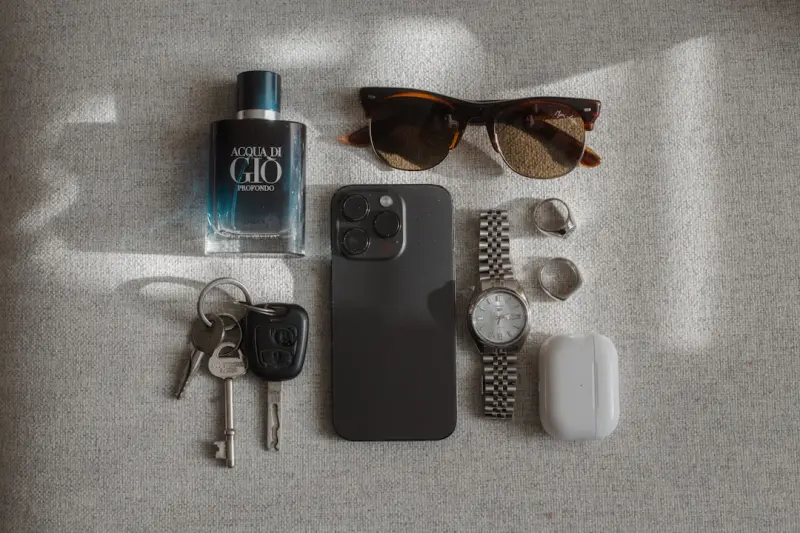
Sustainable Gear Hacks for the Modern Tech Nomad
A practical guide for tech professionals on choosing sustainable travel gear, leveraging data‑driven packing, and integrating eco‑friendly habits to stay pr...Read More

Riding the Google AI Wave: Rose DesRochers’ Insider Perspective on the Latest Revolution
Rose DesRochers shares her insider take on Google’s AI wave, detailing Gemini’s authenticity leap, SEO impacts, privacy concerns, and the future of AR‑dri...Read More
0 Comments
Post Comment
You will need to Login or Register to comment on this post!