
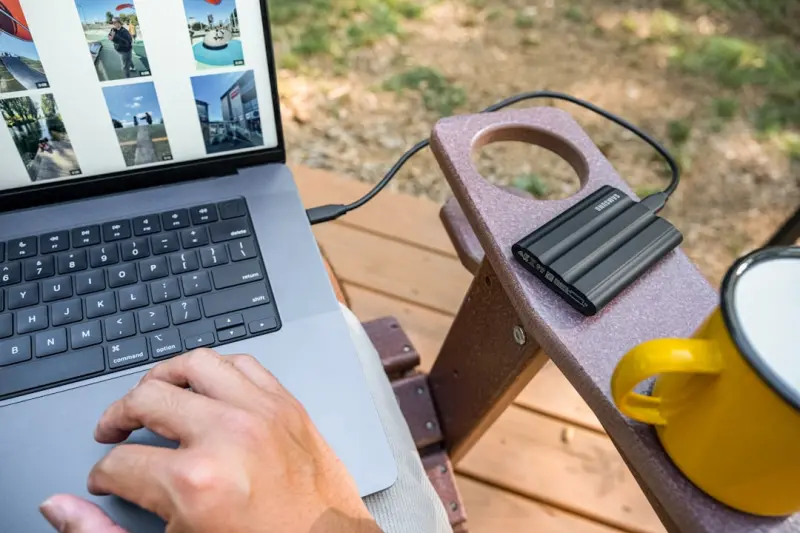
Imagine stepping off a sunrise train in a sun‑kissed town, setting up your laptop on a rooftop café, and joining a community of strangers who share the same hunger for both productivity and discovery. This isn’t a fantasy—it’s the rapidly expanding world of remote nomad hubs, where the line between work and wanderlust blurs into a seamless, intentional lifestyle.
Why Nomad Hubs Are the Next Big Travel Trend
For years, digital nomads have chased Wi‑Fi and cheap flights, hopping from city to city with a backpack of gear and a spreadsheet of bookings. The new wave, however, is less about random stops and more about curated ecosystems designed to sustain long‑term stays. These hubs combine coworking infrastructure, affordable housing, and vibrant social programs, creating a home base that feels both temporary and permanent.
The appeal is simple: you get the freedom to explore new cultures while maintaining the professional rhythm that keeps your career advancing. No longer must you sacrifice one for the other. Instead, you can cultivate a rhythm where the two amplify each other.
Key Ingredients of a Thriving Nomad Hub
- Reliable Connectivity – A robust internet backbone is non‑negotiable. Many hubs partner with local ISPs to offer fiber connections that can handle video calls, large file transfers, and cloud‑based workflows without a hiccup.
- Designed Workspaces – Open‑plan desks, private booths, and phone‑proof pods cater to varied work styles. Some even incorporate standing desks and sound‑masking panels to boost focus.
- Community Programming – Regular meet‑ups, skill‑share workshops, and cultural excursions foster relationships that go beyond a quick coffee chat. A sense of belonging turns a fleeting stay into a meaningful experience.
- Affordability & Flexibility – Tiered pricing, month‑to‑month contracts, and shared‑room options make it financially viable for freelancers, startups, and remote employees alike.
- Local Integration – Partnerships with nearby restaurants, gyms, and transport services help nomads blend into the host city rather than existing in a bubble.
Designing Your Own Portable Life
Transitioning to a nomad hub lifestyle isn’t just about booking the next flight; it requires strategic planning. Below are the steps I’ve honed through years of globetrotting and remote work.
1. Map Out Your Professional Needs
Begin with a needs audit. List the tools, bandwidth, and collaboration platforms critical to your daily workflow. Do you need a dual‑monitor setup for design work? Is a quiet phone booth essential for client calls? Use this list to filter potential hubs.
2. Leverage Data to Choose Destinations
Travel decisions are now data‑driven. By analyzing patterns like cost of living, time‑zone compatibility with your team, and local climate, you can predict which hubs will deliver the best ROI on both personal and professional fronts. data storytelling for travel itineraries can transform raw statistics into compelling narratives that guide your choice.
3. Embrace Personalized Experiences
Every nomad hub is a canvas, and you are the artist. Tailor your stay by tapping into local customs, language lessons, and community events. The secret sauce is personalized travel experiences—use the hub’s data insights (often shared voluntarily) to match you with mentors, language partners, or even fitness groups that align with your interests.
4. Optimize Your Online Presence
When you’re constantly on the move, visibility matters. Whether you’re a freelance designer or a consultant, a strong online footprint helps attract clients and collaborators. travel SEO strategies—like geo‑targeted blog posts, localized keywords, and structured data—can elevate your profile in each new city you call home.
5. Build a Portable Toolkit
Invest in gear that travels light but performs heavy. A compact laptop with a detachable keyboard, a portable monitor, noise‑cancelling headphones, and a universal power adapter are the building blocks of a mobile office. Pair this with cloud‑based file storage and a password manager to keep your workflow seamless.
6. Cultivate Community Before You Arrive
Most hubs have Slack channels, Discord servers, or private Facebook groups that welcome newcomers weeks in advance. Join these platforms early to introduce yourself, ask questions, and even schedule a coffee meet‑up for your first day. Pre‑arrival connections turn strangers into allies from day one.
7. Adopt a “Home‑Away‑From‑Home” Mindset
Instead of chasing novelty for novelty’s sake, focus on building routines that anchor you. A morning jog along the river, a weekly co‑working brunch, or a sunset meditation on the rooftop become the rituals that give your nomadic life structure and comfort.
Case Study: The Rise of “Coastal Co‑Work” in a Mediterranean Town
Last year, I spent three months at a boutique hub perched on a cliffside overlooking turquoise waters. The hub, named “Coastal Co‑Work,” combined a restored lighthouse with a modern coworking floor. Here’s why it exemplified the ideal nomad hub:
- Seamless Connectivity – 1 Gbps fiber, backed up by a 5G hotspot for redundancy.
- Flexible Housing – Options ranged from shared lofts to private sea‑view apartments, all under the same roof.
- Community‑Led Events – Daily language exchanges, weekly hackathons, and monthly cultural tours curated by locals.
- Sustainability – Solar panels and a zero‑waste kitchen aligned with eco‑conscious travelers.
My productivity spiked by 27 % compared to my previous apartment‑based remote setup, and I forged collaborations that turned into long‑term contracts. The key takeaway? When a hub invests in both infrastructure and community, it creates an environment where work and play coexist harmoniously.
Overcoming Common Challenges
While the nomad hub lifestyle promises freedom, it’s not without hurdles. Below are the most frequent pain points and practical solutions.
Isolation
Even with vibrant community programming, you might feel alone during quieter weeks. Combat this by scheduling regular virtual coffee chats with remote colleagues, joining online mastermind groups, or volunteering for local initiatives.
Time‑Zone Drift
Working across continents can lead to odd hours. Set clear boundaries: allocate “core hours” that align with your team, and protect personal time for exploration.
Legal & Visa Complications
Many hubs operate in countries with flexible digital‑nomad visas. Research each destination’s regulations well in advance, and consider hiring a specialist service that handles paperwork for you.
Financial Management
Currency fluctuations and varying cost‑of‑living levels can strain budgets. Use multi‑currency accounts, set automatic alerts for exchange rates, and maintain a buffer in a stable currency.
The Future: Hybrid Nomad Networks
We’re already seeing the emergence of “hub clusters”—networks of interconnected nomad spaces across regions. Imagine spending a month in a coastal hub, then moving to an alpine retreat, all while maintaining a single membership that grants access to both. This model reduces the friction of booking separate accommodations and encourages cross‑regional collaboration.
These clusters will likely integrate with corporate remote‑work policies, giving employees the option to rotate through curated hubs while still belonging to a single employer. The result? A global talent pool that’s both mobile and deeply rooted in community.
Takeaway Checklist for Aspiring Nomad Hub Dwellers
- Audit your professional requirements and prioritize connectivity, workspace, and community.
- Use data‑driven tools to assess cost, climate, and cultural fit.
- Leverage hub‑provided data for personalized experiences.
- Implement robust SEO tactics to stay visible across locations.
- Pack a portable toolkit: laptop, monitor, headphones, power adapters.
- Engage with hub communities before arrival.
- Establish daily routines that blend work and local culture.
- Prepare for legal, financial, and time‑zone challenges.
- Explore hybrid hub networks for long‑term mobility.
Whether you’re a freelancer yearning for fresh inspiration, a corporate team seeking to break the office mold, or simply a curious traveler wanting to blend work with wanderlust, remote nomad hubs offer a compelling blueprint for a life unbound by geography. Embrace the movement, and turn the world into your office, conference room, and living room—simultaneously.

Shawn DesRochers is a certified Microsoft technician and Programmer with 30+ year's experience. He has written many reviews on computer related products, software, and SEO related topics. When he's not writing reviews he can be found at one of the Oldest Directories Online Business Directory USA which he is the CEO of.
Related Posts
Rediscovering Home: The Art of the Neighborhood Micro‑Getaway
A micro‑getaway transforms familiar streets into fresh destinations, offering low‑impact, highâ€... Read More

How Travel-Driven Storytelling Can Transform Your B2B Brand
Travel isn’t just a break—it’s a storytelling engine. Learn how to capture authentic experienc... Read More
Resetting the Brain on the Move: How Travel Reboots Creativity and Decision‑Making
Travel isn’t just a break; it’s a powerful brain‑reset. Learn how changing scenery, sensory im... Read More
Top Posts

Unlocking Google Workspace as a Secret Weapon for SaaS Growth
Google Workspace isn’t just email and docs—its hidden features, add‑ons, and emerging AI capabilities can become a SaaS growth engine. Learn a step‑byâ€...Read More

Why Federated Learning Is the Next Frontier for B2B SaaS
Federated learning lets SaaS platforms train shared AI models on client devices, keeping raw data local. This approach boosts privacy, reduces bandwidth costs, ...Read More

Conversational Commerce: Turning B2B Chat into Revenue
A deep dive into conversational commerce for B2B, covering strategy, technology, metrics, and a 30‑day action plan to turn chat interactions into measurable r...Read More

Mastering Your Body Clock: A Remote Worker’s Guide to Peak Energy
Discover how to synchronize your circadian rhythm with daily work habits, using light exposure, timed nutrition, micro‑movements, and a sleep‑friendly envir...Read More
0 Comments
Post Comment
You will need to Login or Register to comment on this post!