
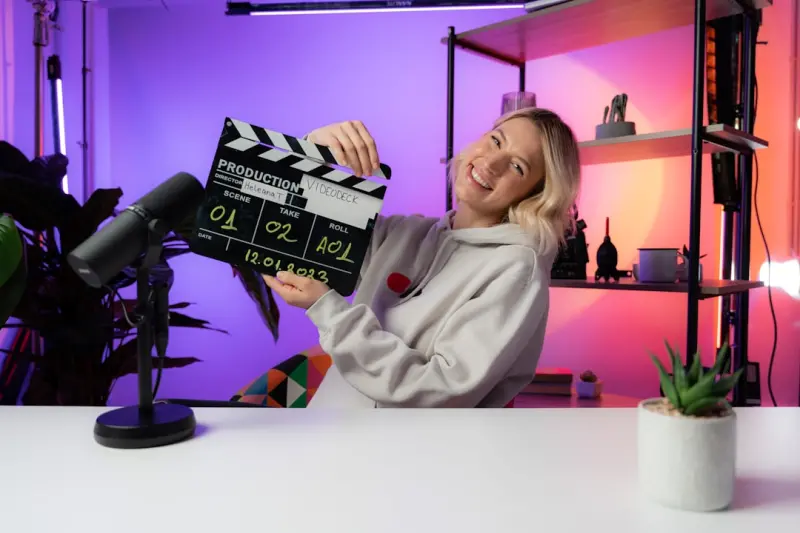
When I first started experimenting with TikTok as a side hobby, I never imagined the platform would become a strategic asset for my B2B clients. The rise of short‑form video has turned the traditional sales funnel upside‑down, forcing marketers to think in micro‑moments—those split‑second opportunities where a prospect’s attention flickers on a piece of content and a decision is nudged. In this post, I’ll walk you through why those micro‑moments matter, how short‑form video fits into a B2B playbook, and the concrete steps you can take today to embed this approach into your existing workflow.
Micro‑Moments: The New Currency of Attention
In the past, B2B marketers measured success by the length of a sales cycle or the number of qualified leads generated from whitepapers. Today, the battlefield is far more granular. A micro‑moment is a sub‑ten‑second window where a prospect, often on a mobile device, looks for quick answers, inspiration, or validation. These moments are fleeting, but they’re also abundant—think of a decision‑maker scrolling through LinkedIn, watching a 15‑second product demo on Instagram Reels, or pausing a TikTok tutorial that solves a tiny workflow pain point.
What makes micro‑moments powerful is their ability to bypass the “hard sell” mindset. When you deliver a concise, value‑first snippet that directly addresses a need, you plant a seed that can blossom into a deeper conversation later. The challenge is to surface that seed precisely when the prospect’s curiosity spikes.
Why Short‑Form Video Is a Natural Fit for B2B
Short‑form video (15‑60 seconds) aligns perfectly with the micro‑moment framework for three reasons:
- Speed. Decision‑makers don’t have time to sit through a 30‑minute webinar. A quick visual explanation can convey a concept faster than any blog post.
- Shareability. Videos are inherently more shareable across platforms. A clever 20‑second demo can be forwarded in a Slack channel, sparking internal discussion.
- Humanization. Seeing a real person—whether it’s your CEO, product engineer, or a satisfied customer—adds credibility that static PDFs can’t match.
In practice, this means rethinking your content creation process. Instead of producing one massive asset, you craft a series of bite‑size clips, each targeting a specific micro‑moment. One clip might answer “How do I integrate X with Y in under two minutes?” while another showcases a quick ROI calculator in action.
Mapping Micro‑Moments to the Buyer Journey
Even though micro‑moments are brief, they still belong to the broader buyer journey. Here’s a simple mapping you can use to ensure you’re covering each stage:
- Awareness. The prospect sees a teaser—perhaps a 15‑second “Did you know?” fact that highlights a pain point.
- Consideration. A follow‑up video demonstrates a feature, using screen recordings or animated explainer graphics.
- Decision. A short testimonial from a peer in the same industry, paired with a quick “book a demo” call‑to‑action.
By aligning each micro‑moment with a stage, you avoid the trap of random content and instead build a cohesive narrative that nudges the prospect forward.
Integrating Short‑Form Video into Your marketing operations
Many B2B teams struggle with the operational side of video—how to produce, store, and repurpose clips at scale. This is where a solid marketing operations foundation becomes essential. Start by establishing a lightweight video asset library with metadata tags such as “pain point,” “industry,” and “stage.” Use a simple workflow: content ideation → script (30 words max) → one‑take recording → quick edit (add captions) → upload.
Automation tools can then pull the right clip into email sequences, LinkedIn Sponsored Content, or your website’s product pages. The key is to treat each video like a micro‑asset that can be reused across channels, much like a thumbnail image or a CTA button.
Data‑Driven Iteration: Measuring Micro‑Moment Success
Because micro‑moments are so short, traditional metrics like “time on page” lose relevance. Instead, focus on:
- Completion Rate. The percentage of viewers who watch the entire clip.
- Engagement Ratio. Likes, comments, and shares relative to impressions.
- Conversion Path Depth. How many subsequent steps (e.g., clicking a link, filling a form) a viewer takes after watching.
Set up A/B tests where you swap out the hook (the first 3 seconds) and track which version drives higher completion. Over time, you’ll develop a library of high‑performing hooks that can be repurposed across campaigns.
Leveraging conversational commerce to Amplify Video Impact
Short‑form video and conversational commerce are a dynamic duo. After a prospect watches a 20‑second demo, embed a chat widget that asks a simple follow‑up question like “Want to see how this works for your team?” This instant, contextual interaction turns passive viewers into active participants, shortening the sales cycle dramatically.
The chat can also surface a second micro‑moment—a quick video answer to the prospect’s specific query—creating a loop of content and conversation that feels tailor‑made.
Practical Production Tips for Busy Marketers
You don’t need a Hollywood studio to get started. Here are my go‑to tricks:
- Use a smartphone. Modern phones shoot in 4K and have built‑in stabilization. Pair it with a ring light for consistent lighting.
- Keep scripts under 30 words. Write a single sentence that captures the core value, then rehearse until it feels natural.
- Caption everything. Many viewers watch without sound, especially in office environments.
- Batch record. Set aside a half‑day each month to film 10‑15 clips. This creates a pipeline that fuels multiple campaigns.
Future‑Proofing: From Short‑Form to Immersive Experiences
While short‑form video is the current frontier, the underlying principle—delivering instant, relevant value—will translate to emerging formats like AR overlays and interactive 3D demos. Think of a micro‑moment where a prospect scans a QR code on a business card and instantly sees a 10‑second AR animation of your product in their environment. Preparing your content strategy now ensures you can pivot to those immersive experiences without starting from scratch.
In short, the marriage of micro‑moments and short‑form video is reshaping B2B digital marketing. By mapping these moments to the buyer journey, embedding video production into your marketing operations, measuring the right metrics, and tying it to conversational commerce, you create a feedback loop that continuously fuels growth. The next time you see a prospect scrolling through their feed, ask yourself: “What micro‑moment can I own with a 30‑second video today?” The answer could be the catalyst that turns a casual scroll into a qualified pipeline.

In the world of freelance writing, where creativity and adaptability are paramount, Michelle Fisher stands out as a dedicated and versatile professional. With a passion for crafting compelling narratives and a keen eye for detail, Michelle has established herself as a trusted voice.
Related Posts

Voice Search Optimization: The New Frontier for Digital Marketers
Explore the rise of voice search, learn practical audit steps, and unlock strategies to make your br... Read More

Audio SEO: Turning Podcasts into Powerful Search Engines for Brands
Learn to transform your brand’s podcast into a high‑impact SEO tool, leveraging searchable trans... Read More
Micro‑Advocates: Turning Customer Communities into Growth Engines
Micro‑advocates—passionate, niche‑focused customers—are reshaping B2B SaaS marketing. Learn ... Read More
Top Posts

Confidential Computing on Google Cloud: A New Trust Layer for SaaS
Confidential Computing on Google Cloud encrypts data while it’s being processed, offering SaaS providers a verifiable trust layer that reduces compliance cost...Read More

Beyond Keywords: Mastering the New Landscape of Search Intent
Discover a fresh SEO framework that moves beyond keyword stuffing, focusing on micro‑, macro‑, and experience intent to create semantic clusters, win zeroâ€...Read More

Travel as a Product Lab: Turning Journeys into SaaS Innovation
Travel isn’t a perk—it’s a strategic product lab. This post shows how embedding purposeful journeys into the development cycle uncovers real‑world insig...Read More

Riding Google’s AI Wave: A Human‑First Marketer’s Journey
Explore Rose DesRochers’ human‑first perspective on Google’s AI wave, with actionable strategies that keep brands authentic while leveraging cutting‑edg...Read More
0 Comments
Post Comment
You will need to Login or Register to comment on this post!