
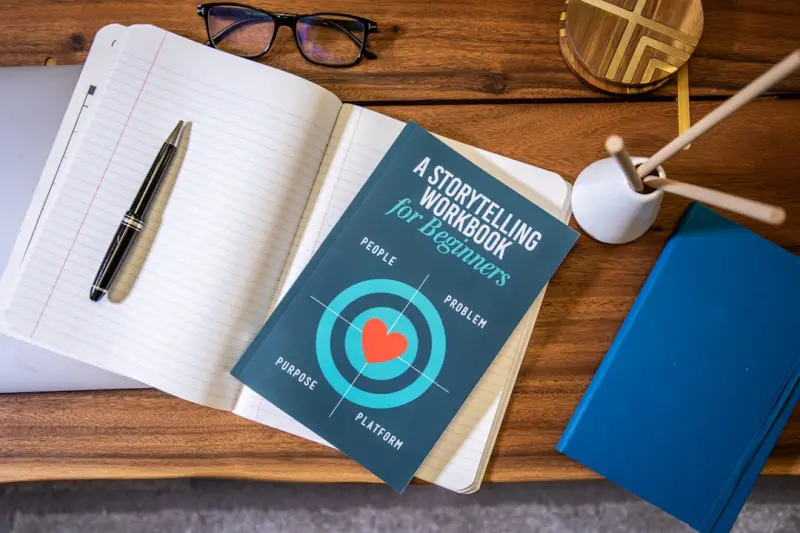
The Creative Leap: AI as a Visual Storyteller
When I first experimented with a generative image model, I expected static outputs, but what emerged was a dynamic partner that could translate a vague concept into a vivid tableau, all within seconds. This shift from manual design to AI‑driven co‑creation is reshaping the very definition of creativity, turning imagination into an instantly shareable visual language that resonates across platforms. AI‑generated visual storytelling is no longer a novelty; it is becoming a core asset for brands seeking to capture attention in a saturated feed.
Behind the Algorithms: How Machines Learn to Paint
The magic lies in diffusion models that iteratively refine noise into coherent images, guided by massive datasets that encode styles, cultures, and visual tropes. By conditioning these models on textual prompts, we give machines a narrative skeleton, allowing them to flesh out details that would take a human designer hours to draft. As I integrate these tools into my workflow, I notice a feedback loop where the AI suggests variations I hadn’t imagined, pushing my creative boundaries further than any traditional sketchbook ever could.
Ethical Canvas: Navigating Bias and Ownership
While the possibilities excite me, the ethical landscape is fraught with questions about authorship, cultural appropriation, and the provenance of training data. I constantly reference the ongoing discussions in the field, reminding myself that every generated image carries the imprint of the data it learned from, which can embed subtle biases. Balancing innovation with responsibility means adopting transparent attribution practices and actively curating the datasets that feed our AI collaborators.
Business Impact: From Campaigns to Conversions
Clients who once relied on costly photo shoots now receive bespoke visual assets on demand, slashing production timelines and budgets dramatically. The ability to A/B test multiple visual concepts overnight empowers marketers to identify the most resonant imagery before any spend hits the ledger. In my recent projects, this agility translated into click‑through rate lifts of up to 30%, a testament to how AI‑enhanced visuals can directly influence the bottom line.
Measuring Success: Metrics That Matter
Beyond vanity metrics, the true value of AI‑generated content is measured through engagement depth, dwell time, and conversion pathways that tie visual exposure to action. I employ heat‑mapping tools to see how users interact with AI‑crafted hero images, noting that eye‑tracking data often reveals a stronger focal pull toward algorithmically balanced compositions. By aligning these insights with revenue attribution models, we can quantify the ROI of each visual iteration with unprecedented precision.
Future Trends: Real‑Time Collaboration and Immersive Media
The next frontier is integrating generative visuals into live streams and augmented reality, where AI can adapt imagery on the fly based on audience sentiment. Imagine a virtual storefront that morphs its displays in response to shopper behavior, all powered by the same diffusion engine that once produced static ads. I see a future where the line between creator and consumer blurs, and every user becomes a co‑author of the brand narrative.
Practical Tips: Getting Started with AI Visuals
For those eager to dip their toes, start with open‑source models like Stable Diffusion, and pair them with prompt‑engineering guides to coax the desired aesthetic. Incorporate feedback loops: generate, critique, and iterate, treating the AI as a teammate rather than a tool. Remember to embed a small watermark or credit line when publishing, both to maintain transparency and to safeguard against inadvertent plagiarism.
Integrating with Existing Strategies
AI‑generated visuals should complement, not replace, your existing content pillars. I often blend AI concepts with traditional photography, creating hybrid campaigns that feel fresh yet grounded. Linking this approach with broader initiatives—such as AI‑Powered Research that informs narrative direction—ensures a cohesive brand story that leverages data, design, and dynamism.
Conclusion: Embrace the Partnership
The rise of AI as a visual storyteller invites us to rethink the creative process as a collaborative dance between human intent and machine imagination. By approaching this partnership with curiosity, ethical rigor, and a focus on measurable outcomes, we unlock a new era where compelling imagery is produced at scale without sacrificing authenticity. The canvas is expanding, and the brush is now digital—let's paint the future together.

Robert Mathews is a professional content marketer and freelancer for many SEO agencies. In his spare time he likes to play video games, get outdoors and enjoy time with his family and friends .
Related Posts

AI‑Powered Compliance: From Risk to Revenue
AI can transform compliance from a costly burden into a strategic advantage for SaaS companies. This... Read More

AI‑Driven Sustainability: Turning Green Goals into SaaS Growth
Artificial intelligence is unlocking new ways for SaaS firms to measure, reduce, and monetize their ... Read More

Synthetic Data: The Secret Weapon Empowering AI in SaaS
Synthetic data lets SaaS companies train and test AI models at scale without compromising privacy, o... Read More
Top Posts
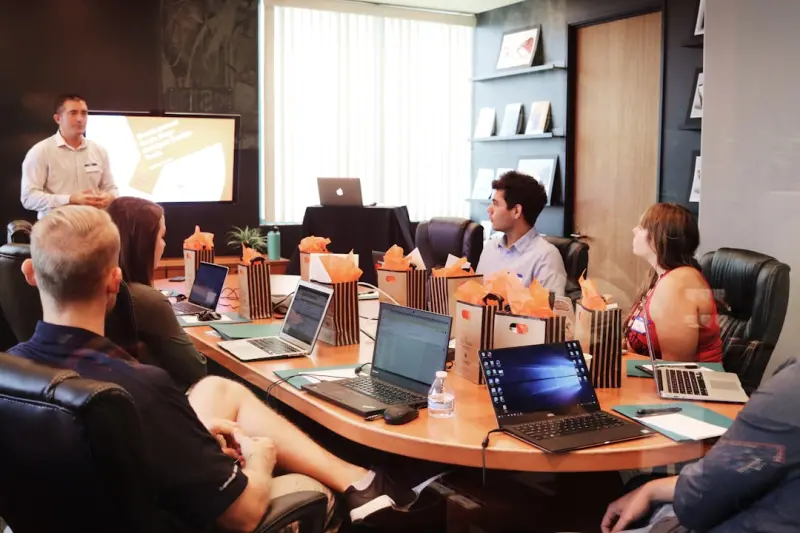
Turning Employees into Brand Ambassadors: A New Frontier for B2B Digital Marketing
Learn how to transform every team member into a micro‑influencer, leveraging authentic stories, technology, and community‑first principles to create a highâ...Read More

Voice‑First SEO for B2B SaaS: A Pragmatic Playbook
Voice search is reshaping how executives discover SaaS solutions. This guide walks you through technical markup, content strategies, and measurement tactics to ...Read More
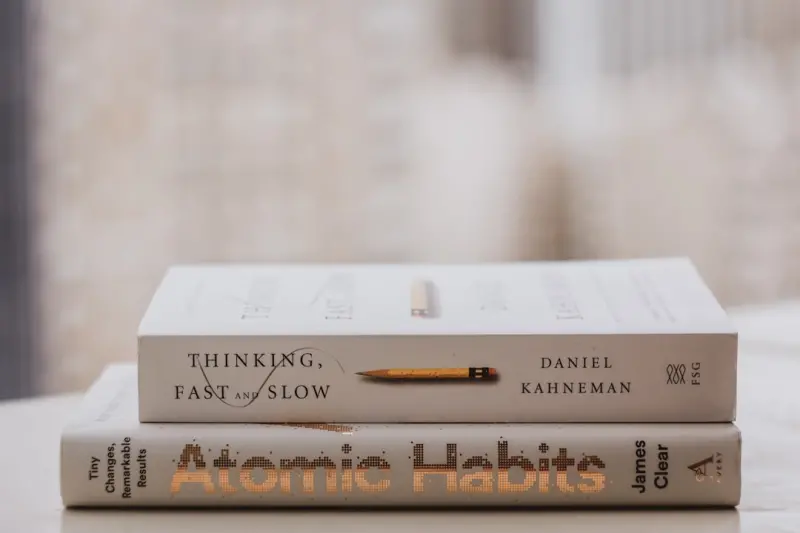
When AI Becomes Your Personal Habit Coach
Learn how an AI habit coach transforms tiny daily actions into lasting habits, offering personalized nudges, ethical safeguards, and a new way to boost producti...Read More
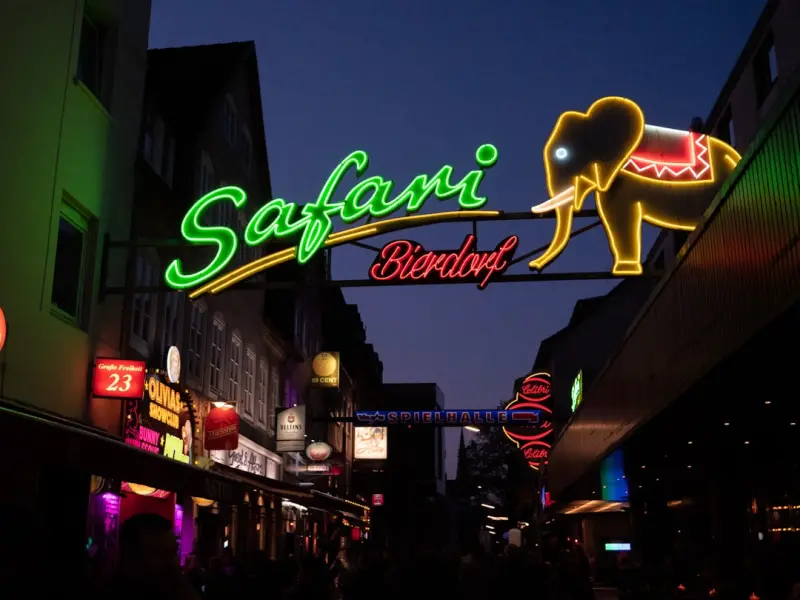
Chasing Flavors: A Street‑Food Safari That Redefines Wanderlust
Dive into a street‑food safari where taste leads the journey, uncovering hidden markets, sustainable connections, and unforgettable sensory stories beyond the...Read More
0 Comments
Post Comment
You will need to Login or Register to comment on this post!