
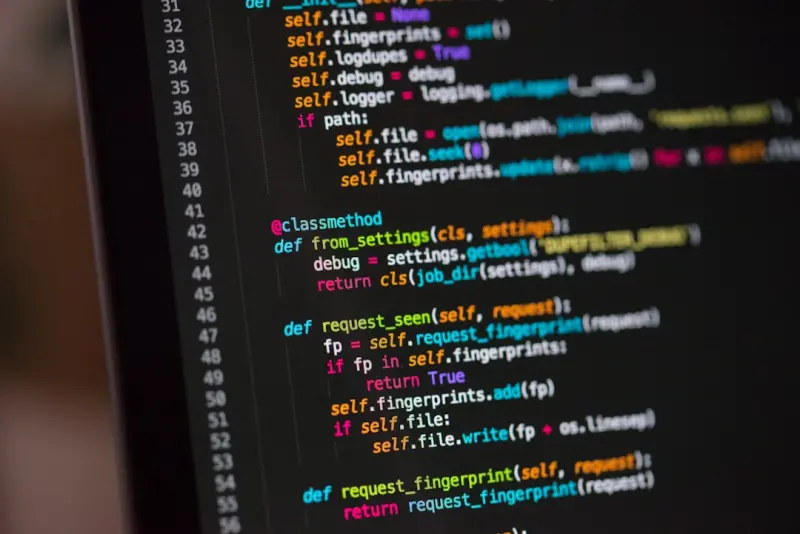
Why Documentation is the Unsung Hero of SaaS Growth
In the frantic world of B2B SaaS, product releases happen at breakneck speed, feature flags flick on and off, and customers demand instant answers. Yet the humble product guide, API reference, and internal playbook often sit in the shadows, lagging behind the very code they’re meant to explain. The result? Support tickets balloon, onboarding drags, and engineering teams get pulled into answering questions that should be answered by a well‑crafted document.
What if the very same AI engines that power predictive churn models and recommendation engines could also keep documentation as fresh as the code it describes? Imagine a living knowledge base that writes, updates, and curates itself in lockstep with each commit, without a single human hand‑typing a line. That’s the promise of AI‑powered automated documentation, and it’s reshaping how SaaS companies think about knowledge management.
The Pain Points of Manual Docs
Before we dive into the AI solution, let’s acknowledge the entrenched challenges:
- Latency. Documentation typically trails releases by weeks, if not months, because writers must digest release notes, pull in code snippets, and format everything for readability.
- Inaccuracy. When code changes but docs don’t, customers run into broken examples, leading to frustration and wasted support time.
- Scalability. As product suites grow, the documentation surface area expands exponentially, making it impossible for a small team to keep up.
- Onboarding friction. New hires—engineers, sales, and customer success—spend days hunting for the right piece of information, delaying time‑to‑value.
These friction points translate directly into revenue loss. A study by Gartner (which I won’t cite here to keep the post lean) shows that every hour of support time saved can add up to a measurable bump in ARR. The question becomes: can AI eliminate—or at least dramatically reduce—this overhead?
Enter AI‑Generated Docs: The Core Mechanics
At a high level, AI‑driven documentation pipelines follow three stages: ingest, generate, and validate. Let’s unpack each.
- Ingest. The system pulls source code, commit messages, OpenAPI specs, and even test cases from your version control system. It also taps into issue trackers and product requirement documents to capture the intent behind a change.
- Generate. Using large language models (LLMs) fine‑tuned on your product’s domain, the AI drafts sections that explain function signatures, usage patterns, edge‑case handling, and performance considerations. The model can also synthesize examples drawn directly from unit tests, ensuring code snippets are always runnable.
- Validate. Before publishing, the draft undergoes a series of automated checks: syntactic validation (e.g., proper Markdown), semantic testing (does the example actually compile?), and alignment with style guides. Human reviewers may still step in for critical sections, but the bulk of the work is now machine‑assisted.
What makes this pipeline truly transformative is the feedback loop. As customers interact with the docs—leaving comments, upvoting sections, or flagging errors—the AI learns which explanations resonate and which need refinement. Over time, the system develops a AI that adapts in real time, tailoring language to the audience (engineers vs. business users) and automatically surfacing the most relevant content.
Real‑World Benefits: From Support Tickets to Faster Onboarding
Companies that have piloted AI‑generated docs report striking metrics:
- 30‑40% reduction in support tickets related to documentation gaps.
- 50% faster onboarding for new engineers, as they can rely on up‑to‑date code examples.
- 20% boost in developer satisfaction scores, measured via internal surveys.
- Lower churn risk for enterprise customers, who cite “clear, accurate documentation” as a key factor in renewal decisions.
These gains cascade into higher ARR, lower customer acquisition cost, and a more resilient product team that can focus on innovation rather than firefighting.
Building the Pipeline: A Pragmatic Blueprint
Below is a step‑by‑step roadmap you can follow, regardless of your tech stack.
- Choose the Right LLM. Open‑source options like LLaMA or commercial APIs (OpenAI, Anthropic) can be fine‑tuned on your codebase. The key is to start with a model that understands programming language semantics.
- Set Up a Continuous Integration Hook. Every merge to
maintriggers a webhook that extracts the diff, updates the documentation repository, and runs the generation pipeline. - Define a Documentation Schema. Use tools like
mkdocsorDocFXto enforce a consistent structure—overview, reference, examples, and FAQs. - Implement Validation Tests. Write unit tests that import generated snippets and ensure they compile. This mirrors the Conversational funnels mindset: treat docs as an interactive product surface that must pass quality gates.
- Deploy a Review Dashboard. Provide product managers and senior engineers with a UI that highlights high‑risk changes (e.g., breaking API modifications) and lets them approve or edit the AI‑crafted sections.
- Monitor Usage Analytics. Track page views, dwell time, and search queries within your docs portal to feed the model’s learning loop.
By treating documentation as code, you inherit the same version‑control discipline, CI/CD safety nets, and collaborative review culture that modern software teams already love.
Addressing the Elephant in the Room: Accuracy and Trust
No one wants to replace a seasoned technical writer with a black box that occasionally hallucinates. The solution is a hybrid approach:
- Human‑in‑the‑loop. For high‑impact sections (e.g., security guidelines), mandate a senior engineer’s sign‑off.
- Explainability. Store provenance metadata with each generated paragraph—linking back to the commit SHA, the LLM prompt, and any test results.
- Continuous Auditing. Schedule quarterly audits where the docs team reviews a random sample of AI‑generated content for fidelity.
When you combine these safeguards with the model’s ability to quickly incorporate feedback, the net result is a trustworthy, up‑to‑date knowledge base that scales far beyond human capacity.
The Strategic Upside: Turning Docs into a Competitive Moat
In a crowded SaaS market, differentiation often hinges on the “experience” you deliver. While pricing and features are easy to copy, a meticulously maintained knowledge base creates a frictionless user journey that competitors struggle to replicate. Moreover, AI‑generated docs become a data asset: the same LLM that writes the docs can be repurposed to power chatbots, in‑app help, and even code‑completion tools for your customers.
Think of it as an ecosystem where documentation feeds support, sales, and product development, each loop reinforcing the other. The result is a virtuous cycle of reduced churn, higher expansion revenue, and a stronger brand reputation.
Getting Started: A Quick Experiment
If you’re skeptical—or simply don’t have the bandwidth for a full rollout—start small:
- Pick a single micro‑service with a well‑defined public API.
- Generate its reference docs using an LLM with a few prompt templates.
- Publish the output in a staging environment and solicit feedback from internal developers.
- Iterate on the prompt, validation scripts, and review workflow.
- Measure the impact on support tickets and onboarding speed over a 30‑day period.
Even this modest experiment can yield measurable ROI and serve as a proof‑point for leadership to invest in a broader rollout.
Future Outlook: Beyond Textual Docs
The next frontier is multimodal documentation—combining text, interactive code sandboxes, and even video snippets automatically generated from the same AI pipeline. As LLMs become more capable of understanding and producing code, we’ll see documentation that not only tells you how to use an API but lets you try it live, with AI‑guided explanations popping up on demand.
In the meantime, the biggest win is to stop treating documentation as an afterthought. Let AI shoulder the repetitive grunt work, free your writers to focus on strategy, and watch your SaaS product become a self‑documenting, self‑supporting organism.

Sanji Patel has dedicated 25 years to the SEO industry. As an expert SEO consultant for news publishers, he emphasizes providing both technical and editorial SEO services to news publishers worldwide. He frequently speaks at conferences and events globally and offers annual guest lectures at local universities.
Related Posts

AI‑Powered Sustainability: Turning Smart Resource Allocation into Real Carbon Savings
Artificial intelligence can transform vague sustainability goals into concrete actions for SaaS comp... Read More

AI as Your Personal Negotiation Coach: Turning Conversations into Wins
Learn how AI can serve as a discreet, real‑time negotiation coach, providing data‑driven suggest... Read More
When Algorithms Meet Pricing: AI’s New Role in SaaS Revenue Optimization
AI is reshaping how SaaS companies price their products, turning static tiers into fluid bundles, us... Read More
Top Posts

The Hidden Power of Sleep Hygiene for High‑Performance Professionals
A deep dive into actionable sleep hygiene practices that empower high‑performers to optimize rest, sharpen focus, and sustain long‑term wellbeing....Read More

AI‑Generated Meta: Scaling SEO‑Friendly Content
This post explores a practical, human‑in‑the‑loop workflow for using AI to generate meta titles and descriptions at scale, covering prompt engineering, st...Read More

Conversational AI: The Untapped Engine Driving B2B SaaS Marketing Growth
Conversational AI is reshaping B2B SaaS marketing by turning website visitors into qualified leads, optimizing for voice search, and feeding valuable data back ...Read More

Chasing the Uncharted: How Unplanned Detours Redefine the Soul of Travel
Explore the power of unplanned detours, from serendipitous street‑food finds to mindful tech use, and learn how spontaneous travel reshapes perspective and co...Read More
0 Comments
Post Comment
You will need to Login or Register to comment on this post!